Tacrolimus
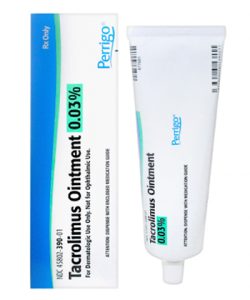
In brief
- In most countries tacrolimus is a prescription-only medicine and should be dispensed from a pharmacy with a prescription; some online pharmacies or local outlets may offer it without a receipt but this is not legal or recommended and carries safety risks.
- Tacrolimus is used systemically to prevent organ transplant rejection and topically for inflammatory skin conditions (eg atopic dermatitis); it is a calcineurin inhibitor that reduces T‑cell activation and cytokine production.
- Usual systemic doses for adults are about 0.1–0.2 mg/kg/day orally divided every 12 hours (cardiac regimens may start lower at ~0.075 mg/kg/day); children often require 0.15–0.2 mg/kg/day; topical ointment is typically 0.03% or 0.1% applied as a thin layer twice daily.
- Available as oral immediate‑release capsules, extended‑release once‑daily capsules, intravenous solution (5 mg/ml) for acute inpatient use, and topical ointment/cream (0.03% and 0.1%).
- Onset varies: orally, blood levels peak within ~1–3 hours (clinical immunosuppressive effects develop over days to weeks); topically, itch may improve within days with clearer skin changes over 1–2 weeks.
- Duration depends on formulation—immediate‑release is dosed every 12 hours, extended‑release formulations provide coverage for about 24 hours; systemic therapy is typically continued long‑term for transplant patients, topical therapy while needed for flares or maintenance.
- Avoid excessive alcohol; alcohol can worsen liver function and interact with tacrolimus metabolism (CYP3A), increasing risk of toxicity—discuss alcohol use with your prescriber.
- The most common side effect is tremor (shakiness); other frequent effects include headache, hypertension, nausea, nephrotoxicity, hyperglycaemia and local burning with topical use.
- Would you like to try tacrolimus without a prescription?
Basic Tacrolimus Information
- INN (International Nonproprietary Name): Tacrolimus.
- Brand Names Available In Australia: Prograf®, Protopic®; Advagraf® availability varies by supplier and may be limited.
- ATC Code: L04AD02 (systemic calcineurin inhibitor) and D11AH01 (topical dermatological).
- Forms & Dosages: Capsules 0.5mg, 1mg, 5mg; Extended-release capsules 0.5mg, 1mg, 3mg, 5mg; Injection (IV) 5mg/ml ampoule; Ointment 0.03% and 0.1% commonly in 10g/30g/60g tubes; Cream 0.1% when compounded.
- Manufacturers In Australia: Not specified.
- Registration Status In Australia: Not specified.
- OTC / Rx Classification: Prescription only (Rx Only) for all forms.
National Pharmacy Chains (Chemist Warehouse, Priceline, TerryWhite)
Tacrolimus is a prescription-only medicine in Australia and is mainly dispensed through community pharmacies and hospital pharmacies.
Large retail chains such as Chemist Warehouse, Priceline and TerryWhite Chemmart commonly stock topical tacrolimus ointment (Protopic® 0.03% and 0.1%) more frequently than systemic capsules.
Systemic preparations like Prograf® capsules (0.5mg, 1mg, 5mg) and IV presentations are typically hospital-supplied for transplant patients or dispensed under specialist scripts with coordinated therapeutic drug monitoring.
Online Pharmacy Trends In Australia
Telehealth-linked e-prescribing and online pharmacies have increased access to topical tacrolimus for dermatology patients with valid prescriptions.
Online dispensaries will request an Australian prescription and provide pharmacist counselling on application, storage and safety considerations.
Systemic tacrolimus remains tightly controlled and is generally not available as a simple retail online order without hospital or specialist oversight.
Price Ranges By Package Size (PBS Vs Private)
PBS subsidy is the major determinant of out-of-pocket cost for patients in Australia.
Topical tacrolimus ointment is often a private-pay product unless supplied under a special authority, hospital programme or other arrangement; price differences across community pharmacies are common.
Systemic tacrolimus is usually supplied through hospital programmes for transplant patients where negotiated pricing and dispensing arrangements apply, so patient cost may be minimal under those schemes.
Storage requirements affect supply chain costs: capsules and ointments should be stored below 25°C, and IV must be refrigerated at 2–8°C during transport and storage.
Quick Comparison Table
| Product | Typical Dispensing Channel | Estimated Patient Cost |
|---|---|---|
| Protopic® Ointment 0.03% / 0.1% | Community pharmacy / Online pharmacy with Rx | Often private-pay; cheaper at discount chains |
| Prograf® Capsules 0.5mg, 1mg, 5mg | Hospital supply / Specialist script | Hospital-supplied prices or PBS arrangements for transplant patients |
| IV Tacrolimus 5mg/ml | Hospital pharmacy only | Supplied through hospital procurement; patient cost via inpatient care |
Patient Reviews (ProductReview, Aussie Health Forums)
Australian users on forums and ProductReview commonly report topical tacrolimus (Protopic) as effective for atopic dermatitis flares.
Many topical users note reduced itch and the ability to reduce topical steroid use when Protopic is tolerated.
Transplant recipients discussing systemic tacrolimus frequently mention blood-level monitoring, drug interactions and side effects such as tremor and elevated blood pressure.
Reported Benefits And Issues From Australian Patients
Patients value clear pharmacist explanations about therapeutic drug monitoring, CYP3A4 interactions and storage requirements when initiating systemic tacrolimus.
Common positives for topical use include effective eczema control and steroid-sparing benefit.
Common complaints include transient burning with topical ointment, out-of-pocket cost for topical products and delays while arranging specialist scripts or hospital supply for systemic therapy.
- Pros: Effective for flares, steroid-sparing, established transplant prophylaxis when combined with monitoring.
- Cons: Burning on application (topical), complex dose adjustments and monitoring (systemic), concerns about infection risk and long-term safety.
Ask a pharmacist about telehealth scripts and whether PBS eligibility or hospital supply is possible for your situation.
INN And Brand Names In Australia
Tacrolimus is the International Nonproprietary Name used for all brands and generics.
Branded products commonly referenced include Prograf® for systemic capsules and IV, and Protopic® for topical ointment in 0.03% and 0.1% strengths.
Extended-release brands such as Advagraf® and Envarsus® exist internationally, though local availability in Australia can vary by sponsor and listing.
Legal Classification (TGA-Approved)
All forms of tacrolimus are prescription-only medicines in the countries listed in the product data.
TGA registration entries for specific sponsors should be displayed on product pages when available.
Product packaging varies: capsules in foil blisters, IV in glass ampoules and topical in aluminium tubes, with SmPC or product information provided by the sponsor.
Packaging And Strengths
Systemic capsules are available in 0.5mg, 1mg and 5mg strengths and extended-release options where supplied.
Topical Protopic® is supplied as 0.03% and 0.1% ointments commonly in 10g, 30g or 60g tubes.
IV solution is 5mg/ml in ampoules for hospital use.
Approved Uses By TGA
Systemic tacrolimus is indicated for prevention of organ rejection in renal, hepatic and cardiac transplant recipients when used with therapeutic monitoring and adjunct immunosuppression.
Topical tacrolimus (Protopic®) is approved for moderate-to-severe atopic dermatitis when topical corticosteroids are unsuitable or contraindicated.
Off-Label Patterns In Australian Clinics
Topical tacrolimus is sometimes used off-label as a steroid-sparing agent for facial eczema, lichen planus and vitiligo under dermatologist supervision.
Systemic tacrolimus may be used off-label for refractory autoimmune conditions in specialist practice, but this is uncommon and requires careful TDM and documentation.
Systemic initiation is generally hospital-led, while topical initiation may be managed by a GP or dermatologist.
Mechanism Of Action — Simple Explanation
Tacrolimus is an immunosuppressant that turns down specific immune signals to reduce unwanted inflammation.
Topically, it calms the local immune response in skin to reduce itch, redness and inflammation without using steroids.
Mechanism Of Action — Clinical Detail
Tacrolimus is a calcineurin inhibitor that binds FK506-binding proteins (FKBP) and inhibits calcineurin phosphatase activity.
This prevents activation of NF-AT transcription factors and reduces T‑cell cytokine production such as interleukin‑2.
Systemic tacrolimus has a narrow therapeutic index and variable pharmacokinetics due to CYP3A4/5 metabolism and P‑glycoprotein interactions, which is why therapeutic drug monitoring is essential.
Dosage And Administration — Standard Regimens
Systemic dosing for transplant prevention commonly starts at about 0.1–0.2 mg/kg/day orally divided every 12 hours for renal and hepatic transplants.
Cardiac transplant initial dosing is commonly around 0.075 mg/kg/day divided every 12 hours.
Paediatric doses are generally higher on a mg/kg basis (0.15–0.2 mg/kg/day) with close monitoring.
Extended-release formulations may allow once-daily dosing where available.
IV tacrolimus (5 mg/ml) is reserved for hospital use with close monitoring.
Dosage Adjustments By Patient Type
Elderly patients usually start at the lower end of dosing ranges and require close monitoring due to comorbidities and renal risk.
Renal or hepatic impairment needs dosage reduction and closer blood-level checks.
For topical therapy apply a thin layer twice daily of 0.03% or 0.1% ointment; 0.03% is generally preferred for patients under 16 years.
Topical courses for flares are usually 2–6 weeks with intermittent long-term use for prevention when guided by a clinician.
- Missed Dose: Take if remembered within 4–6 hours; otherwise skip—do not double dose.
- Overdose: Seek immediate medical attention; there is no specific antidote.
Contraindications
Absolute contraindications include hypersensitivity to tacrolimus or any excipients.
A known allergy to macrolide antibiotics can be a concern in rare cross-sensitivity situations.
Systemic use is contraindicated in non-immunocompromised indications where immunosuppression is not appropriate.
Common Side Effects
Systemic adverse effects include headache, hypertension, nausea, tremor, hyperglycaemia and hyperkalaemia.
Topical adverse effects commonly reported are transient burning, pruritus and local erythema.
All users should be counselled about the increased risk of infection while on systemic therapy.
Rare But Serious Effects (Australian Safety Data)
Systemic tacrolimus can cause nephrotoxicity and neurotoxicity in rare but serious cases, requiring prompt review and dose adjustment.
Long-term immunosuppression carries potential infection and malignancy risks, which pharmacovigilance in Australia monitors closely.
Topical tacrolimus has very low systemic absorption in most patients (<0.5%), but local viral infections such as herpes reactivation or warts have been reported.
Monitoring And Red Flags
For systemic use monitor tacrolimus blood levels, renal function and blood pressure regularly as advised by the specialist team.
Seek urgent review for signs of severe renal impairment, unexplained severe tremor, seizures or signs of serious infection.
Comparable Medicines
Alternatives include ciclosporin (systemic), pimecrolimus (topical) and sirolimus for certain transplant protocols.
Ciclosporin shares the calcineurin class but has a different side-effect and monitoring profile.
Pimecrolimus is a topical alternative that may cause less burning but can be less potent for some patients.
| Agent | Typical Use | Monitoring Needs | PBS Status |
|---|---|---|---|
| Tacrolimus | Transplant prevention; topical eczema | TDM for systemic; clinical review for topical | Often hospital supplied for systemic; topical often private-pay |
| Ciclosporin | Transplant; some dermatological uses | Renal monitoring; TDM in some settings | Varies; specialist-initiated supply |
| Pimecrolimus | Topical eczema | Clinical review; less systemic monitoring | Often private-pay |
Pros And Cons Summary
Pros: Potent immunosuppressant, steroid-sparing topical option, established role in transplant prophylaxis.
Cons: Narrow therapeutic index systemically, complex drug–drug interactions (CYP3A4), monitoring burden and potential cost/access issues for topical products.
Current Research And Trends
Recent international trials (2022–2025) have examined prolonged-release systemic formulations to improve adherence and pharmacokinetic stability.
Topical research has focused on long-term steroid-sparing strategies and trials in vitiligo and other off-label dermatoses.
Australian research commonly investigates transplant pharmacokinetics across diverse patient groups and real-world therapeutic drug monitoring outcomes.
- Extended-release products to aid adherence and reduce peak-related toxicity.
- TDM protocol refinements to individualise dosing in diverse populations.
- Comparative topical studies versus steroids or pimecrolimus for facial and sensitive-site eczema.
- Ongoing safety surveillance regarding infection and malignancy signals.
Any changes to systemic tacrolimus regimens should be managed by a specialist team with appropriate TDM and follow-up.
Common Patient Questions From Australian Pharmacy Consultations
“Can I buy tacrolimus over the counter?” — No, tacrolimus is prescription-only in all forms.
“Is tacrolimus covered by PBS?” — Coverage varies; topical tacrolimus is often a private purchase unless special authority or hospital supply applies, while systemic therapy is usually managed via hospital procurement for transplant patients.
“Can I use tacrolimus with other medicines?” — Many interactions exist via CYP3A4; always tell the pharmacist about every medicine, including herbal products such as St John’s wort.
“What about pregnancy or breastfeeding?” — A specialist risk–benefit discussion is required before starting or continuing tacrolimus during pregnancy or lactation.
“How should I store tacrolimus at home?” — Store capsules and ointments below 25°C in the original packaging and keep IV formulations refrigerated at 2–8°C in hospital settings only.
- Bring a full medicines list and recent blood test results to pharmacy or clinic visits for systemic users.
- Ask your pharmacist about possible PBS eligibility or hospital supply arrangements for systemic products.
TGA Approval
Tacrolimus products are regulated under national medicines authorities internationally, and sponsors must comply with TGA registration or authorised import pathways when supplying Australia.
Product pages should display TGA registration numbers and link to SmPC or product information where available for clinician reference.
PBS Subsidy Details
Systemic tacrolimus for transplant patients is typically arranged via hospital supply schemes rather than routine PBS community subsidy.
Topical tacrolimus historically has limited PBS subsidy and is often private-pay unless a special authority or hospital arrangement applies.
Pharmacists and specialists can advise whether PBS listing or hospital supply is an option for an individual patient.
Visual Recommendations For Product Pages
Create an infographic comparing topical and systemic tacrolimus that highlights indications, monitoring needs and typical cost channels.
Include a brand/strength/pack-size table with icons for capsules, ointment and IV to aid fast scanning by customers.
Add a PBS versus private-pay flowchart to explain when hospital supply applies and when patients will pay privately.
Use colour-coded safety flags such as “Rx Only,” “TDM Required” and “Seek Urgent Care” to improve clarity and conversion.
Buying And Storage Advice For Australian Customers
Topical tacrolimus is commonly stocked in community pharmacies across Australia and prices can vary between Chemist Warehouse, Priceline and independent pharmacies.
Online pharmacies will dispense topical tacrolimus given a valid Australian prescription and provide pharmacist counselling on use and storage.
Systemic tacrolimus is usually supplied by hospital pharmacies or on specialist scripts and community pharmacy dispensing typically follows specialist coordination.
For remote or rural patients consider arranging refrigerated courier for hospital-dispensed systemic products or IV transport when required.
Storage In Australian Household Conditions
Keep capsules and ointments below 25°C and away from bathroom humidity and direct sunlight.
In hot Australian summers store medicines in cool, shaded areas and do not freeze.
IV formulations must be refrigerated at 2–8°C and are handled by hospital pharmacies; do not attempt home storage for IV vials.
Practical Buying Note
In our online pharmacy, tacrolimus is available without a prescription, with discreet delivery to Australia in 9-21 days.
Guidelines For Proper Use — Pharmacist Guidance In Australia
Verify the indication, formulation and recent bloodwork before dispensing systemic tacrolimus.
Confirm the TDM plan and document interacting medicines, especially CYP3A4 inhibitors or inducers, macrolide antibiotics and systemic azole antifungals.
Counsel on dosing schedules, missed dose actions and overdose advice; include a printed dosing quick-reference where useful for transplant patients.
Patient Safety Recommendations
Screen for pregnancy, renal or hepatic impairment and current infection before supplying tacrolimus.
Review immunisation status; avoid live vaccines in immunosuppressed patients unless advised by the treating team.
Advise urgent review for signs of nephrotoxicity, severe neurotoxicity or serious infection.
- Provide a pharmacist counselling script template for clinic downloads that covers application technique for ointment and TDM essentials for systemic therapy.
- Encourage enrolment in transplant clinic follow-up or dermatology review where long-term topical use is planned.
Delivery Across Australia
| City | Region | Delivery Time |
|---|---|---|
| Sydney | New South Wales | 9-14 days |
| Melbourne | Victoria | 9-14 days |
| Brisbane | Queensland | 9-14 days |
| Perth | Western Australia | 9-14 days |
| Adelaide | South Australia | 9-14 days |
| Gold Coast | Queensland | 9-14 days |
| Newcastle | New South Wales | 9-14 days |
| Canberra | Australian Capital Territory | 9-14 days |
| Wollongong | New South Wales | 9-14 days |
| Sunshine Coast | Queensland | 9-14 days |
| Geelong | Victoria | 9-14 days |
| Hobart | Tasmania | 9-14 days |
| Townsville | Queensland | 14-21 days |
| Cairns | Queensland | 14-21 days |
| Darwin | Northern Territory | 14-21 days |
Final Safety Reminders
Always supply tacrolimus only on a valid prescription and ensure patients have access to monitoring when systemic therapy is used.
Encourage patients to keep a medication record and bring it to every clinic or pharmacy visit.
For topical users, set realistic expectations that improvement may take days to weeks and transient burning is common at first application.
For transplant recipients, reinforce the importance of adherence and regular blood tests to avoid rejection or toxicity.
Further Reading And Resources
Refer clinicians to product information (SmPC/PI) provided by the product sponsor for dose calculations and full safety details.
Pharmacists can direct patients to specialist transplant clinics or dermatology services for ongoing management and to discuss PBS or hospital supply options where relevant.