Spironolactone
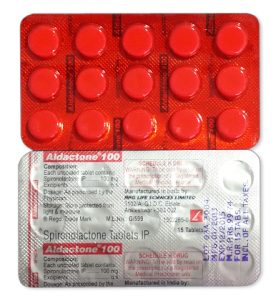
In brief
- In our pharmacy you can buy spironolactone without a prescription, with delivery across Australia in 9–21 days and discreet packaging; note that spironolactone is prescription-only in most countries and branded versions (e.g. Aldactone) are widely available in community pharmacies.
- Spironolactone is used for oedema (heart failure, cirrhosis, nephrotic syndrome), hypertension, primary aldosteronism and off‑label for acne and hirsutism; it is a potassium‑sparing diuretic and aldosterone antagonist that blocks aldosterone receptors in the distal nephron and also has anti‑androgenic effects.
- Usual adult doses vary by indication: commonly 25–100 mg/day for hypertension, about 100 mg/day (range 25–200 mg/day) for oedema, 12.5–50 mg/day as an adjunct in heart failure, and 50–200 mg/day for acne/hirsutism; doses for children are weight‑based and specialist‑directed.
- Oral administration: commonly tablets (25 mg, 50 mg, 100 mg); oral suspension is occasionally compounded and combination tablets with a thiazide (e.g. hydrochlorothiazide) are available.
- Onset: diuretic and potassium‑sparing effects usually begin within 24–48 hours, with more noticeable effect over 48–72 hours; anti‑androgenic benefits for acne/hirsutism take several weeks to months (commonly 3–6 months).
- Duration of action: pharmacodynamic effects typically last 24–72 hours due to active metabolites (ongoing effect with regular dosing); anti‑androgenic and clinical benefits persist while treatment continues.
- Alcohol warning: avoid excessive alcohol—it can worsen dizziness, low blood pressure and dehydration and may complicate electrolyte and kidney effects; drink cautiously while on spironolactone.
- The most common side effect is gastrointestinal upset (nausea), with other frequent issues including dizziness, menstrual irregularities, hyperkalaemia and, in men, gynaecomastia.
- Would you like to try spironolactone without a prescription?
Basic Spironolactone Information
- INN (International Nonproprietary Name): Spironolactone.
- Brand Names Available In Australia: Aldactone (commonly supplied in Australia); other international brands include Aldactazide, Aldactacine, Aldactazine, Aldactide, Aldactin, Osyrol, Spiresis, Uractone, Verospiron, Spiroctan, Spiretic and Xenalon — packaging generally in tablets (25 mg, 50 mg, 100 mg).
- ATC Code: C03DA01.
- Forms & Dosages: Tablets 25 mg, 50 mg, 100 mg; oral suspension not commonly supplied (may be compounded); combo tablets with hydrochlorothiazide (e.g., 25 mg/25 mg, 50 mg/50 mg) are reported internationally.
- Manufacturers In Australia: Major global suppliers include Pfizer; other manufacturers and suppliers are listed internationally (Searle, regional generics). Exact Australian sponsors vary by product and should be checked on the TGA product database.
- Registration Status In Australia: Registered for use and supplied as a prescription medicine via TGA-registered products (searchable in the TGA database).
- OTC / Rx Classification: Prescription Only (Rx) — spironolactone is not an over-the-counter medicine in Australia.
Availability & Price Landscape
National Pharmacy Chains (Chemist Warehouse, Priceline, TerryWhite)
Worried about whether your local chain will have spironolactone in stock?
Major pharmacy chains such as Chemist Warehouse, Priceline and TerryWhite Chemmart routinely list Aldactone and generic spironolactone tablets in common strengths.
Discount chains and national networks often promote unit-price deals and loyalty discounts that appeal to price-sensitive shoppers.
Independent and small-town pharmacies may show variable stock levels and will generally order from wholesalers if bulk packs are needed.
Online Pharmacy Trends In Australia
Concerned about access from home or regional areas?
Online pharmacies and telehealth-linked prescriptions have increased access to spironolactone across Australia while maintaining prescription and dispensing rules under TGA regulation.
Telehealth can speed initial assessment, but local blood tests and pharmacist counselling remain important for safe use.
Price Ranges By Package Size (PBS Vs Private)
Trying to estimate what you will pay out of pocket?
PBS subsidy depends on the indication and whether authority rules are met; many off-label uses attract private pricing.
Private retail prices vary by pack size, strength and brand; larger packs generally lower the unit cost but patients should check expiry and storage before buying bulk.
| Scenario | Typical Package Size | Price Detail |
|---|---|---|
| PBS-Subsidised (When Criteria Met) | 30–100 tablets | Subsidy depends on indication and authority; exact price not specified. |
| Private Script (Off-Label Uses) | 30–60 tablets | Private retail range varies by brand (Aldactone vs generics); exact price not specified. |
| Combo Products | Pack sizes not specified | Typically costlier than single-agent spironolactone; exact price not specified. |
Practical buying tips: compare price-per-tablet across chains, ask about loyalty or price-match options, and confirm whether a pack is locally supplied or imported.
Patient Insights & Satisfaction Levels
Forum Reviews (ProductReview, Aussie Health Forums)
What do Australians actually say about spironolactone online?
Forum feedback falls into two main themes: clear clinical benefit for heart failure, cirrhosis or resistant hypertension, and mixed experiences when used off-label for acne or hirsutism.
Many users on ProductReview and health forums report improved symptoms for cardiac or fluid-related conditions when monitoring is in place.
Reported Benefits And Issues From Australian Patients
Want a quick snapshot of what to expect?
- Top Reported Benefits: Reduced fluid retention, better blood pressure control, and visible acne improvement after several months.
- Top Reported Issues: Menstrual changes, breast tenderness, dizziness, tiredness, and concerns about potassium and renal monitoring.
Rural patients often mention access and follow-up challenges, with local GPs rather than specialists managing therapy and pathology access affecting monitoring frequency.
Where pharmacists and prescribers set clear monitoring plans, patient satisfaction tends to be higher.
Typical timelines reported by patients are: diuresis within days, and cosmetic improvements for acne or hirsutism within three to six months.
Product Overview & Brand Variants
INN And Brand Names In Australia
Looking for brand options and what they contain?
The International Nonproprietary Name is spironolactone and the most recognised brand in Australia is Aldactone.
Tablets in usual strengths — 25 mg, 50 mg and 100 mg — are commonly supplied either as Aldactone or generics.
Legal Classification (TGA-Approved)
Do you need a prescription and is the product regulated?
Spironolactone is a TGA-approved prescription-only medicine (Schedule 4) in Australia.
Product pages should list INN, brand variants, available strengths and whether a given SKU is TGA-registered or imported.
| Brand | Strengths | Pack-Size |
|---|---|---|
| Aldactone | 25 mg, 50 mg, 100 mg | Pack size not specified |
| Generic Spironolactone | 25 mg, 50 mg, 100 mg | Pack size not specified |
| Combo Tablets (Where Available) | Variable (e.g., with hydrochlorothiazide) | Pack size not specified |
A short glossary helps buyers: ATC = Anatomical Therapeutic Chemical code; INN = International Nonproprietary Name; Rx = prescription-only medicine.
Indications In Local Medical Practice
Approved Uses By TGA
Unsure whether your condition is covered by the PBS or by a TGA indication?
TGA-approved uses align with international practice and include oedema related to heart failure, cirrhosis and nephrotic syndrome, and adjunctive use in certain heart-failure regimens.
When PBS criteria are met for heart-failure or oedema indications, subsidy may apply under authority rules.
Off-Label Patterns In Australian Clinics
Curious about common off-label uses and how they’re handled?
Australian prescribers commonly use spironolactone off-label for androgen-driven conditions like acne and hirsutism, usually on private scripts that attract full cost.
Primary aldosteronism is managed by specialists and may require higher diagnostic or treatment doses under specialist supervision.
| TGA-Approved Uses | Common Off-Label Uses |
|---|---|
| Oedema (heart failure, cirrhosis, nephrotic syndrome) | Acne and hirsutism (adult females) |
| Adjunct in heart-failure regimens (low-dose) | Primary aldosteronism (specialist-led) |
Product pages should clearly separate TGA-approved indications from common off-label uses and note monitoring expectations.
How It Works In The Body
Layman’s Explanation
How does spironolactone actually help with fluid or acne?
Spironolactone blocks aldosterone receptors in the kidney so the body retains less sodium and water while keeping more potassium.
In acne and hirsutism it reduces androgen effects, which can lower oil production and hair growth over time.
Clinical Detail
Want the technical facts on mechanism and metabolism?
Pharmacologically, spironolactone is an aldosterone antagonist (ATC C03DA01) with active metabolites such as canrenone that extend its duration of action.
Diuretic effects may appear within days, while endocrine benefits for acne often take months to become evident.
The main physiological risk is hyperkalaemia, especially in renal impairment or when combined with ACE inhibitors or ARBs.
Protein binding, hepatic metabolism and renal excretion mean dose adjustments are required in hepatic or renal dysfunction.
Dosage & Administration
Standard Regimens
What dose should a typical adult expect to start on?
Adult dosing varies by indication: oedema typically around 100 mg/day (range 25–200 mg), hypertension 25–100 mg/day, and heart-failure adjunct dosing 12.5–50 mg/day.
For acne and hirsutism clinicians commonly use 50–200 mg/day with assessment at 3–6 months.
Adjustments By Patient Type (Elderly, Chronic Conditions)
Do older people or those with kidney or liver problems need different advice?
Elderly patients should start at the lower end of dosing with closer renal and electrolyte monitoring.
Renal impairment with CrCl under 30 mL/min warrants avoidance or extreme caution due to hyperkalaemia risk.
Hepatic impairment also requires clinical judgement and monitoring.
| Indication/Patient Group | Typical Dose | Monitoring |
|---|---|---|
| Edema (Adults) | 25–200 mg/day (commonly ~100 mg/day) | Baseline and periodic renal/electrolytes |
| Heart Failure (Adjunct) | 12.5–50 mg/day | Frequent early monitoring |
| Acne/Hirsutism | 50–200 mg/day | Assess after 3–6 months |
- Monitoring Checklist: baseline serum potassium and renal function, recheck 1–2 weeks after start or dose change, then periodically.
- Missed Dose Advice: take when remembered unless close to next dose; do not double up.
Contraindications & Side Effects
Common
Which side effects should patients expect to see most often?
Common adverse effects include gastrointestinal upset, dizziness, headache, menstrual irregularities and breast tenderness.
Men may report gynecomastia or sexual dysfunction that is usually reversible on stopping the drug.
Rare But Serious (Australian Safety Data)
What are the urgent risks that require immediate attention?
Absolute contraindications include acute renal insufficiency, anuria, Addison’s disease, known hypersensitivity and pre-existing hyperkalaemia.
Serious, less frequent events include life-threatening hyperkalaemia, severe allergic reactions, hepatic dysfunction and serious skin reactions.
Australian pharmacovigilance emphasises hyperkalaemia risk when spironolactone is combined with ACE inhibitors or ARBs or in patients with declining renal function.
| Common Side Effects | Serious Side Effects |
|---|---|
| Nausea, diarrhoea, dizziness, menstrual changes, breast tenderness | Severe hyperkalaemia, severe allergic reactions, liver dysfunction, severe dermatologic reactions |
Urgent action: stop the medicine and seek urgent care for muscle weakness, palpitations or severe dizziness that could indicate hyperkalaemia.
Comparable Medicines
Alternatives Table (PBS And Non-PBS)
Want to know the treatment alternatives a prescriber might consider?
| Medicine | Class | PBS Availability | Notes |
|---|---|---|---|
| Eplerenone | Aldosterone Antagonist | Often Specialist-Initiated (PBS status varies) | Fewer hormonal side effects; generally more costly. |
| Amiloride | Potassium-Sparing Diuretic | PBS status varies by indication | Less potent than spironolactone; different side-effect profile. |
| Triamterene | Potassium-Sparing Diuretic | PBS status varies | Sometimes used in combination with thiazides. |
| Hydrochlorothiazide | Thiazide Diuretic | Commonly PBS-Listed | Not potassium-sparing; often co-prescribed. |
Pros And Cons List
Which reasons favour spironolactone and when should alternatives be considered?
- Pros: strong evidence in heart failure, cost-effective generics available, useful in multiple indications.
- Cons: hormonal side effects, risk of hyperkalaemia, not suitable in advanced renal impairment.
Pharmacists should highlight clinical decision points such as reproductive plans for women, renal function, and existing RAAS-blocking therapy when discussing alternatives.
Current Research & Trends
Major Studies 2022–2025 (Australia + International)
What does the latest research say about spironolactone?
Recent work has refined use in heart failure with preserved ejection fraction, resistant hypertension and low-dose strategies intended to limit hyperkalaemia.
Clinical audits and registry data from Australia underscore the importance of monitoring when ACE inhibitors and ARBs are co-prescribed.
Emerging Uses And Guideline Updates
Are there new ways clinicians are using spironolactone?
Trials in acne and hirsutism confirm the expected 3–6 month timeline for cosmetic effects and stress contraception counselling for women of childbearing potential.
Emerging trends include lower-dose strategies, potassium-binding agents to allow continued RAAS blockade, and remote monitoring models pairing telehealth with local pathology services.
Guideline updates emphasise documenting baseline renal and electrolyte testing and a monitoring plan when initiated in primary care.
Common Patient Questions
FAQs From Australian Pharmacy Consultations
Here are the questions patients ask most often, and what pharmacists say.
- Can I buy spironolactone without a prescription? No — spironolactone is a prescription-only medicine in Australia (TGA), though private online sellers may advertise otherwise; always confirm TGA registration and prescription requirements.
- How long until I see effects? Diuresis may begin within days; acne and hirsutism improvements commonly take 3–6 months.
- Do I need blood tests? Yes — baseline serum potassium and renal function, recheck 1–2 weeks after starting or changing dose, then periodically.
- Can I take potassium supplements or salt substitutes? Avoid unless directed by a clinician because of hyperkalaemia risk.
- What about pregnancy or breastfeeding? Discuss with the prescriber; spironolactone is used with caution in pregnancy and is not routinely recommended without specialist advice.
- What if I miss a dose? Take when remembered unless it is close to the next dose; do not double up.
- Can I drink alcohol or drive? Alcohol does not have a direct pharmacokinetic interaction, but dizziness or drowsiness could impair driving.
Pharmacist counselling scripts should include clear red-flag language to seek urgent care for palpitations, muscle weakness or sudden severe dizziness.
Regulatory Status
TGA Approval
Is spironolactone approved and how can patients check product details?
Spironolactone is a TGA-approved prescription medicine in Australia and product registration details are searchable in the TGA database.
Packaging typically lists ATC code C03DA01 and common strengths 25 mg, 50 mg and 100 mg.
PBS Subsidy Details
When will the PBS cover spironolactone?
PBS subsidy depends on indication and clinical criteria and may apply for certain heart-failure and oedema uses under authority rules.
Many off-label indications such as acne and hirsutism are privately billed.
Pharmacy product pages should show whether a given SKU is PBS-listed and provide PBS item numbers or authority steps where applicable.
Visual Recommendations
Infographics: PBS Pricing, Pharmacy Networks
Which visuals help patients decide quickly on purchase and monitoring?
Recommended graphics include a PBS vs private-cost flowchart, a pack/strength side-by-side visual for 25 mg/50 mg/100 mg tablets, and a medication timeline showing diuresis onset (days) and endocrine effects (months).
A simple interactions matrix with traffic-light coding for ACE inhibitors, ARBs, NSAIDs and potassium supplements improves safety comprehension.
Maps showing national chains (Chemist Warehouse, Priceline, TerryWhite) with icons for discount practices and telehealth pathways help users locate options.
Buying & Storage Advice
In-Store Vs Online Purchase Tips In Australia
How can you buy spironolactone safely and avoid counterfeit or non-registered products?
Verify TGA registration and the sponsor details on product leaflets or the TGA database before purchasing.
Compare unit price across Chemist Warehouse, Priceline and independents, and ask the pharmacist if the product is locally supplied or imported.
For telehealth-initiated prescriptions, use reputable online pharmacies that require valid prescriptions and offer pharmacist counselling.
In our online pharmacy, spironolactone is available without a prescription, with discreet delivery to Australia in 9-21 days.
Storage In Australian Household Conditions (Heat/Humidity)
What is the best way to store tablets at home in Australian conditions?
Store at room temperature around 20–25°C, protected from light and moisture.
Avoid storing tablets in bathrooms and do not leave them in hot cars or gloveboxes during summer.
For mail-order deliveries in hot months, choose tracked and temperature-protected shipping where possible.
- Checklist Before Buying: check expiry, pack integrity and supplier registration.
- Home Storage Tip: keep medicine in a cool, dry cupboard away from sunlight.
Guidelines For Proper Use
Pharmacist Guidance In Australia
What should pharmacists document and advise when dispensing spironolactone?
Confirm indication and whether the use is TGA-approved or off-label, advise on mechanism and realistic timelines, and ensure baseline renal and electrolyte tests are arranged.
Flag interactions with ACE inhibitors, ARBs, NSAIDs and potassium supplements and document a monitoring plan, especially for rural or telehealth-managed patients.
Patient Safety Recommendations
How can patients be empowered to take spironolactone safely?
Teach hyperkalaemia warning signs — muscle weakness, palpitations, severe fatigue — and advise stopping the medicine and seeking urgent care if these occur.
Encourage contraceptive discussions for women of childbearing potential when spironolactone is used for acne or hirsutism.
Advise patients to carry an up-to-date medicines list, avoid potassium-based salt substitutes unless directed, and consult their prescriber before stopping or doubling doses.
Emergency advice for suspected overdose: seek urgent medical attention; watch for signs of severe hyperkalaemia or confusion.
Delivery Across Australia
| City | Region | Delivery Time |
|---|---|---|
| Sydney | New South Wales | 9-14 days |
| Melbourne | Victoria | 9-14 days |
| Brisbane | Queensland | 9-14 days |
| Perth | Western Australia | 9-14 days |
| Adelaide | South Australia | 9-14 days |
| Canberra | Australian Capital Territory | 9-14 days |
| Hobart | Tasmania | 9-14 days |
| Darwin | Northern Territory | 9-14 days |
| Gold Coast | Queensland | 9-14 days |
| Newcastle | New South Wales | 14-21 days |
| Wollongong | New South Wales | 14-21 days |
| Geelong | Victoria | 14-21 days |
| Cairns | Queensland | 14-21 days |
| Townsville | Queensland | 14-21 days |
Final Notes For Patients
Quick Safety Summary
Before starting spironolactone, ensure baseline blood tests for serum potassium and renal function are performed.
Avoid concomitant potassium supplements or salt substitutes unless instructed by the prescriber.
Report any unusual muscle weakness, palpitations, severe dizziness or marked GI upset to your prescriber or local emergency department.
When To Contact Your Pharmacist
Contact a pharmacist if a prescription is unclear, if a patient needs advice about interactions with ACE inhibitors or ARBs, or if monitoring schedules are not being followed.
Pharmacists should confirm product registration, dosing, and monitoring steps when dispensing spironolactone or any brand variant such as Aldactone.