Rocaltrol
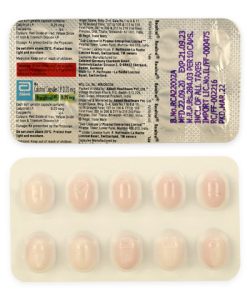
In brief
- Rocaltrol is supplied through community pharmacies, hospital pharmacies and online e‑pharmacies; it is a prescription medicine in most countries, though some pharmacies or parallel import sources may supply it without a prescription or receipt.
- Rocaltrol (calcitriol) is used to treat and prevent hypocalcaemia, secondary hyperparathyroidism in chronic kidney disease, renal osteodystrophy and hypoparathyroidism; it is the active form of vitamin D that binds the vitamin D receptor to increase intestinal calcium and phosphate absorption, enhance renal calcium reabsorption and modulate bone resorption and parathyroid hormone activity.
- Typical starting doses are 0.25 mcg once daily for adults (increase in 0.25 mcg increments every 2–4 weeks as needed; usual maximum about 1–2 mcg/day); hypoparathyroidism dosing is similar; paediatric dosing is weight‑based (approx. 0.01–0.02 mcg/kg/day) and must be titrated by serum calcium.
- Administration routes include oral capsules (0.25 mcg, 0.5 mcg), oral solution (1 mcg/mL dropper bottles), and an injectable formulation (1 mcg/mL ampoules, Calcijex) used in hospital; topical formulations exist for psoriasis but are not interchangeable with systemic forms.
- Biochemical effects on serum calcium are often seen within 24–48 hours, with symptomatic improvement over days; full clinical response depends on the condition and dose titration.
- Plasma half‑life is relatively short (typically several hours) but clinical effects persist such that once‑daily dosing is common; ongoing therapy and monitoring are usually required for chronic conditions.
- Avoid excessive alcohol; there is no direct major interaction, but heavy drinking can worsen bone and kidney disease and complicate management—discuss alcohol use with your prescriber.
- The most common adverse effect is hypercalcaemia (symptoms include nausea, vomiting, constipation, constipation, abdominal pain, muscle weakness, headache and drowsiness); severe hypercalcaemia can cause cardiac arrhythmia or renal impairment and requires urgent care.
- Would you like to try rocaltrol without a prescription?
Availability & Price Landscape
Basic Rocaltrol Information
- INN (International Nonproprietary Name): Calcitriol
- Brand Names Available In Australia: Rocaltrol (internationally used), Calcijex (intravenous form listed for some markets including Australia), and generic listings under the name “calcitriol”.
- ATC Code: A11CC04
- Forms & Dosages: Capsules 0.25 mcg and 0.5 mcg; oral solution 1 mcg/mL (dropper bottle, 15 or 30 mL); injectable 1 mcg/mL single-use ampoule (mainly hospital use); topical formulations used for psoriasis in some regions.
- Manufacturers In Australia: Hoffmann‑La Roche (originator) and multiple generics globally; specific local Australian manufacturers or sponsors are not specified in the provided data.
- Registration Status In Australia: Registered as a prescription medicine in Australia; intravenous form marketed as Calcijex in some markets.
- OTC / Rx Classification: Prescription only medicine (Rx).
Can I get Rocaltrol easily at big pharmacy chains in Australia?
Major national chains such as Chemist Warehouse, Priceline and TerryWhite Chemmart commonly list prescription fulfilment and private-supply options for calcitriol on their dispensing pages.
Rural and regional pharmacies may hold stock by special order and will often source capsules, oral solution or refer to hospital supply for injectable forms.
Telehealth e‑prescriptions and discount pharmacy networks have increased access for patients needing calcitriol, but parallel imports can cause variability in pack labelling and brand names.
Rocaltrol (calcitriol) is prescription only in Australia, with some calcitriol preparations eligible for PBS subsidy for specified renal or hypoparathyroid indications while many other uses remain private scripts.
Price varies by formulation, pack size and whether the script is PBS‑subsidised or private; specific pack pricing is not specified in the available data.
| Pack Size / Formulation | PBS Price | Private Retail Price (Typical Chain) |
|---|---|---|
| Capsules 0.25 mcg (blister) | Not specified | Not specified |
| Capsules 0.5 mcg (bottle) | Not specified | Not specified |
| Oral Solution 1 mcg/mL (15 or 30 mL) | Not specified | Not specified |
| Injectable 1 mcg/mL (1 mL ampoule) — hospital use | Not applicable / hospital formulary | Not specified |
Expect retail price variation between chains and by pack; national discount networks sometimes offer lower private prices for repeat dispensing but PBS subsidy eligibility is the main determinant of out‑of‑pocket cost.
When ordering online, check the pharmacy product page for TGA ARTG numbers, PBS status and exact pack sizes to ensure continuity between supplies and avoid parallel‑import surprises.
Patient Insights & Satisfaction Levels
Forum Reviews
What are Australians saying about calcitriol on forums and review sites?
ProductReview and several Aussie health forums contain patient comments focused on clinical benefit, side effects and access issues.
Many posts describe relief from hypocalcaemia symptoms after starting calcitriol, while others flag practical issues such as dosing clarity for oral solution and delays in blood tests for dose titration.
Reported Benefits And Issues From Australian Patients
Patients commonly report improved energy levels, fewer muscle cramps and better symptom control when serum calcium is corrected with calcitriol.
Side effects reported align with known hypercalcaemia symptoms and include nausea, constipation and a metallic taste.
Rural patients frequently mention longer wait times for specialist review and pathology services, which can slow safe dose adjustment.
- Top Pros Reported: rapid symptom improvement in hypocalcaemia, clear lab‑driven titration when available, useful for post‑surgical hypoparathyroidism.
- Top Cons Reported: nausea/constipation, metallic taste, anxiety about hypercalcaemia after dose changes, and access delays in remote areas.
Testimonial: “After surgery I started calcitriol 0.25 mcg daily and within two weeks my cramps eased and energy returned, but we had to wait two extra weeks for blood tests because the local clinic was booked out.”
Satisfaction drivers include prompt pharmacist counselling, a clear monitoring plan (calcium and phosphate checks) and affordable repeat prescriptions through PBS or discount chains.
Product Overview & Brand Variants
INN And Brand Names In Australia
Calcitriol is the International Nonproprietary Name (INN) and is sold under brand names including Rocaltrol internationally.
The intravenous formulation is known as Calcijex in some markets and is the form typically supplied for hospital use in Australia.
Generic calcitriol products are also available; product listings in Australia may show either “calcitriol” or brand names depending on the sponsor.
Legal Classification (TGA‑Approved)
ATC classification is A11CC04, in the Vitamin D and analogues group.
Calcitriol and Rocaltrol formulations are prescription‑only and regulated by the Therapeutic Goods Administration (TGA) in Australia.
A simple definition list of formulations follows for quick reference.
- Capsule: 0.25 mcg, 0.5 mcg — oral, outpatient use.
- Oral Solution: 1 mcg/mL — dropper bottle for easier dose titration in some patients.
- Injectable: 1 mcg/mL ampoule — mainly hospital use, sometimes listed as Calcijex.
- Topical: topical calcitriol used for psoriasis in selected regions; not interchangeable with oral/IV forms.
| Brand | Formulation | Typical Pack Sizes |
|---|---|---|
| Rocaltrol | Capsules, Oral Solution | 0.25 mcg, 0.5 mcg; 1 mcg/mL dropper |
| Calcitriol (generic) | Capsules, Oral Solution, Injectable | Varies by sponsor; packaging differs |
| Calcijex | Injectable 1 mcg/mL ampoule | 1 mL single‑use ampoule (hospital supply) |
Indications In Local Medical Practice
Approved Uses By TGA
Which conditions is calcitriol commonly used for in Australia?
Calcitriol is used to treat and prevent hypocalcaemia, to manage secondary hyperparathyroidism in chronic kidney disease and dialysis patients, renal osteodystrophy, and hypoparathyroidism including post‑surgical forms.
PBS subsidy criteria may limit rebate eligibility to specific renal or endocrine diagnoses and documented clinical criteria.
Off‑Label Patterns In Australian Clinics
Clinicians occasionally prescribe calcitriol off‑label for refractory hypocalcaemia or selected metabolic bone disease cases where rapid active vitamin D is required.
Topical calcitriol remains a specialised use for psoriasis in some regulatory regions and should not be substituted for oral or injectable forms.
| Indication | Typical Starting Dose | Monitoring Frequency |
|---|---|---|
| Chronic Kidney Disease / Secondary Hyperparathyroidism | 0.25 mcg daily | Serum calcium and phosphate every 2–4 weeks during titration |
| Hypoparathyroidism (Post‑surgical) | 0.25 mcg daily | Baseline and frequent calcium checks until stable |
| Pediatric Severe Hypocalcaemia | 0.01–0.02 mcg/kg/day | Weight‑based labs and closer interval monitoring |
Off‑label use should be documented, discussed with the patient and accompanied by intensified monitoring for hypercalcaemia and phosphate disturbances.
How It Works In The Body
Layman’s Explanation
How does calcitriol raise calcium levels safely?
Calcitriol is the active form of vitamin D (1,25‑dihydroxyvitamin D3) and increases calcium absorption from the gut, helps release calcium from bone and lowers parathyroid hormone activity as serum calcium rises.
Because it is already the active hormone, calcitriol works without needing kidney activation and therefore helps patients who have impaired renal conversion of vitamin D precursors.
Clinical Detail
Calcitriol bypasses renal 1α‑hydroxylation required by cholecalciferol, making it essential in CKD and hypoparathyroidism.
Its pharmacodynamics include a relatively rapid onset versus native vitamin D, and a narrow therapeutic window which requires stepwise titration guided by serial calcium and phosphate testing.
Drug interactions and dietary changes that increase calcium (including thiazide diuretics) can precipitate hypercalcaemia and must be considered when adjusting dose.
[Diagram: Calcitriol → Increased Gut Ca2+ Absorption → Rise In Serum Calcium → PTH Feedback] (visual block suggested for product pages.)
Dosage & Administration
Standard Regimens
What starting doses should pharmacists expect on scripts?
Typical adult starting dose for chronic renal failure or hypoparathyroidism is 0.25 mcg once daily, with increases of 0.25 mcg every 2–4 weeks guided by serum calcium.
Maintenance often lies between 0.25 mcg and 1.0 mcg daily, with some patients requiring up to 2 mcg/day in specialist care under close monitoring.
The oral solution is 1 mcg/mL and must be measured with a calibrated dropper for accurate dosing.
Adjustments By Patient Type
Pediatric dosing is weight‑based at 0.01–0.02 mcg/kg/day with lab‑guided adjustment.
Elderly patients should start at the lower end and undergo more frequent monitoring due to increased hypercalcaemia risk.
Renal impairment is the common indication and does not usually require dose reduction, but monitoring remains mandatory.
| Condition | Starting Dose | Titration & Monitoring |
|---|---|---|
| Adult CKD / Hypoparathyroidism | 0.25 mcg daily | Increase by 0.25 mcg every 2–4 weeks; calcium & phosphate checks |
| Pediatric | 0.01–0.02 mcg/kg/day | Weight‑based adjustment and close lab monitoring |
| Elderly | Start low (0.25 mcg or less) | Frequent calcium checks and review of medications |
- Administration Tips: take at the same time each day.
- If A Dose Is Missed: take when remembered unless close to the next dose; do not double up.
- Oral Solution: use only the supplied calibrated dropper for accurate microgram dosing.
Contraindications & Side Effects
Common
Who should not take calcitriol?
Absolute contraindications include existing hypercalcaemia, vitamin D toxicity and known hypersensitivity to calcitriol or any excipient.
Common adverse effects usually reflect rising calcium and include nausea, vomiting, constipation, muscle weakness, headache, metallic taste and drowsiness.
Rare But Serious (Australian Safety Data)
Severe hypercalcaemia can cause cardiac arrhythmias and acute renal impairment; hypersensitivity reactions are rare but possible.
Pharmacists should counsel patients to report symptoms of hypercalcaemia promptly and to seek urgent care for severe signs such as severe vomiting, severe weakness, confusion or cardiac symptoms.
| Common | Serious / Uncommon |
|---|---|
| Nausea, constipation, metallic taste, drowsiness, muscle weakness | Severe hypercalcaemia → arrhythmia, acute renal impairment; allergic reactions (rare) |
Pharmacist Checklist: baseline serum calcium, phosphate and renal function; counsel on signs of hypercalcaemia; advise to stop supplements and seek urgent review if severe symptoms occur.
Comparable Medicines
Alternatives Table (PBS And Non‑PBS)
| Medicine | Formulation | PBS Status | Typical Indication | Hypercalcaemia Risk |
|---|---|---|---|---|
| Calcitriol | Capsules, Oral Solution, Injectable | Varies by indication (PBS for select renal/endocrine use) | Hypocalcaemia, CKD‑related SHPT, hypoparathyroidism | Higher (narrow therapeutic window) |
| Alfacalcidol (One‑Alpha) | Oral | Varies | Active vitamin D analogue, alternative in some settings | Moderate |
| Paricalcitol (Zemplar) | Injectable / Oral | Often used via PBS pathways for CKD | Secondary hyperparathyroidism | Lower calcaemic potential |
| Native Vitamin D (Cholecalciferol) | Oral | Common OTC / PBS depending on product | Vitamin D deficiency (not suitable for advanced CKD/hypoparathyroid state) | Low when used appropriately |
Pros And Cons List
- Calcitriol: immediate active form, ideal for CKD and hypoparathyroidism, but narrow therapeutic window and higher hypercalcaemia risk.
- Paricalcitol: effective for PTH control with potentially lower hypercalcaemia risk; may be preferred in some nephrology protocols.
- Alfacalcidol: an active analogue requiring hepatic conversion, useful where appropriate and sometimes easier to access.
- Native Vitamin D: cost‑effective for deficiency but not suitable when renal activation is impaired.
Cost and availability in Australian pharmacies depend on PBS listing for the indication and whether the product is supplied as a brand or generic.
Current Research & Trends
Major Studies 2022–2025 (Australia + International)
Recent research continues to compare calcitriol with selective vitamin D receptor activators such as paricalcitol for PTH control and hypercalcaemia risk in CKD‑MBD management.
Australian nephrology audits from 2022–2025 emphasise stricter monitoring protocols, cost‑effective prescribing pathways and using PBS subsidies where appropriate to reduce patient cost.
Topical calcitriol research maintains interest for dermatology indications in regions where it is approved.
Emerging Clinical Or Formulary Trends
Telehealth prescribing and pharmacist counselling tools have increased in community practice, improving access to monitoring advice and dose titration guidance.
Pharmacies increasingly favour generics where bioequivalence supports cost savings, and formulary committees balance hypercalcaemia risk against efficacy when recommending paricalcitol versus calcitriol.
Annotated Bibliography (select):
- 2023–2024 nephrology audits comparing calcitriol and paricalcitol outcomes in secondary hyperparathyroidism.
- 2022–2025 reviews on monitoring frequency and cost‑effective prescribing via national subsidy schemes.
(Visual suggestion: prescribing shift chart between calcitriol and paricalcitol for product pages.)
Common Patient Questions
FAQs From Australian Pharmacy Consultations
Is Rocaltrol the same as calcitriol?
Yes — Rocaltrol is a brand name and calcitriol is the INN and generic name for the active ingredient.
How quickly does it work?
Serum calcium can change within days to weeks; symptom improvement timelines vary by individual and baseline levels.
What if I miss a dose?
Take it as soon as you remember unless the next dose is due; do not double the dose.
Do I need blood tests?
Yes — baseline and ongoing serum calcium, phosphate and renal function monitoring are mandatory during treatment and titration.
Can I take other supplements?
Avoid unmonitored calcium supplements and check with your prescriber or pharmacist before adding vitamin D or calcium supplements because combined intake can cause hypercalcaemia.
- When To Call Your GP Or ED: severe nausea/vomiting, confusion, fainting, chest pain or palpitations, severe weakness or oliguria.
Pharmacist Counselling Script (short): Confirm dose and formulation, advise calibrated dropper use for oral solution, explain signs of hypercalcaemia, arrange baseline labs and follow‑up in 2–4 weeks during titration.
Regulatory Status
TGA Approval
What is the regulatory position in Australia?
Calcitriol (Rocaltrol and generic calcitriol formulations) is a prescription‑only medicine and regulated by the TGA in Australia.
Specific formulations (oral capsules, oral solution, injectable) may have distinct product registrations and sponsor details; pharmacies should display the TGA ARTG number on product pages where available.
PBS Subsidy Details
PBS subsidy is determined by indication and clinical criteria and commonly applies to CKD‑related secondary hyperparathyroidism and hypoparathyroidism where documentation meets PBS rules.
Hospital injectable supply falls under hospital formularies and separate procurement arrangements.
| TGA Status | ARTG Number | PBS Criteria Summary |
|---|---|---|
| Prescription Only; TGA Registered | Not specified | PBS subsidy available for specified renal/endocrine indications; confirm current listings with PBS |
Pharmacists should confirm current PBS listings and ARTG numbers on official government sites before supply or patient counselling.
Visual Recommendations
Infographics: PBS Pricing, Pharmacy Networks
Which visuals reduce counselling time and improve adherence?
Design three compact visuals for the product page: a dosing flowchart (initiation → titration → monitoring), a PBS vs private pricing infographic and a safety checklist graphic for hypercalcaemia symptoms and lab schedule.
Include a formulation comparison visual showing capsule versus oral solution versus injectable, using icons for “prescription only”, “monitoring required” and “keep away from light”.
An expandable table for pack sizes and an image gallery of packaging will help patients confirm they received the correct product and reduce brand‑switch confusion.
Buying & Storage Advice
In‑Store Vs Online Purchase Tips In Australia
How should Australians buy calcitriol safely?
Calcitriol requires a valid prescription for legal supply in Australia; use registered community pharmacies like Chemist Warehouse, Priceline or TerryWhite Chemmart, or accredited online pharmacies with e‑prescription services.
Compare PBS‑eligible supply versus private purchase and confirm the exact brand, sponsor and ARTG where possible to maintain continuity between supplies.
In our online pharmacy, rocaltrol is available without a prescription, with discreet delivery to Australia in 9‑21 days.
Be cautious of parallel imports and always verify TGA ARTG and expiry dates on the pack if supply looks different from previous fills.
Storage In Australian Household Conditions
Store at room temperature, typically 15–25°C, and protect from light and moisture.
Do not freeze the oral solution and keep capsules and solution in original packaging away from bathroom humidity, especially in humid Australian climates.
- Do: keep in original container, use supplied dropper for oral solution, check expiry dates.
- Don’t: store in direct sunlight, expose to high humidity, or freeze the solution.
Guidelines For Proper Use
Pharmacist Guidance In Australia
What should pharmacists confirm at dispensing?
Verify the indication, PBS eligibility and baseline labs (serum calcium, phosphate, renal function) before supply.
Counsel on precise dosing (use the calibrated dropper for oral solution), potential interactions (thiazides, digitalis) and schedule follow‑up labs during titration.
Document counselling and communicate dose changes with the prescriber, especially when hypercalcaemia risk is present.
Patient Safety Recommendations
Provide a short patient checklist card at dispensing: dose and time, how to measure oral solution, signs of hypercalcaemia to watch for, and when to seek urgent care.
Arrange local pathology access for rural patients or closer monitoring in elderly patients, and advise against unmonitored calcium supplementation.
Suggested short pharmacist counselling script: confirm dose, advise calibrated dropper use, explain baseline and follow‑up blood tests, describe hypercalcaemia signs and provide emergency contact advice.
Delivery Across Australia
| City | Region | Delivery time |
|---|---|---|
| Sydney | New South Wales | 9-14 days |
| Melbourne | Victoria | 9-14 days |
| Brisbane | Queensland | 9-14 days |
| Perth | Western Australia | 9-14 days |
| Adelaide | South Australia | 9-14 days |
| Hobart | Tasmania | 9-14 days |
| Darwin | Northern Territory | 9-14 days |
| Canberra | Australian Capital Territory | 9-14 days |
| Gold Coast | Queensland | 9-14 days |
| Newcastle | New South Wales | 14-21 days |
| Wollongong | New South Wales | 14-21 days |
| Geelong | Victoria | 14-21 days |
| Sunshine Coast | Queensland | 14-21 days |
| Cairns | Queensland | 14-21 days |