Retin-a Gel
In brief
- Available from pharmacies and online retailers; retin‑a gel is officially prescription‑only in Australia and most regulated markets, though some pharmacies or online vendors may supply it without a prescription or receipt — legality and safety vary by supplier and jurisdiction.
- Retin‑a gel (tretinoin) is used mainly for acne and, off‑label, for photoageing/wrinkles; it is a topical retinoid that normalises follicular epithelial cell turnover, helps clear comedones, reduces inflammation and stimulates collagen remodelling.
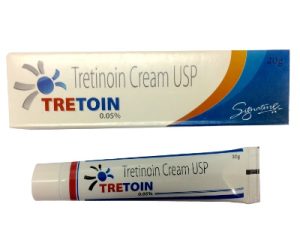
- Usual dosage is a pea‑sized thin layer of gel/cream applied once daily at bedtime to the affected area; common strengths for topical use are 0.01%, 0.025% and 0.05% (higher strengths 0.1% for creams in some markets).
- Administered topically to clean, dry skin as a gel or cream (less commonly lotion or solution); avoid eyes, lips, mucous membranes and broken skin.
- Some irritation and transient worsening can occur in the first 2–4 weeks; initial effects may begin within a few weeks, with noticeable improvement typically by 6–12 weeks of regular use.
- Effects require continuous use — benefits accumulate over weeks to months and are maintained only with ongoing treatment; stopping treatment usually leads to gradual loss of effect over weeks to months.
- Avoid using alcohol‑based topical products (astringents, toners or harsh cleansers) on treated skin because they increase irritation; there is no specific systemic interaction with drinking alcohol, but alcohol can worsen skin dryness and sensitivity.
- The most common side effect is skin irritation — redness, dryness, peeling and a burning/tingling sensation (sometimes described as pilling of the gel); severe reactions (blistering, swelling) are less common and require medical review.
- Would you like to try “retin-a gel” without a prescription?
Availability & Price Landscape
Basic Retin-A Gel Information
- INN (International Nonproprietary Name): Tretinoin
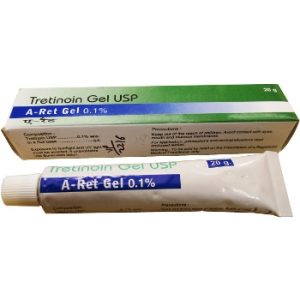
- Brand Names Available In Australia: Retin-A; Retin-A and other tretinoin gels and creams are sold internationally under names such as Retin-A, Atralin, Avita, Altreno, Stieva-A and A‑Ret (local Australian brand availability varies; check pack labelling).
- ATC Code: D10AD01
- Forms & Dosages: Gel 0.01% and 0.025%; Cream 0.025%, 0.05% and 0.1%; lotions and solutions may be available in some markets or as compounded products.
- Manufacturers In Australia: Janssen Pharmaceuticals and multiple generic suppliers manufacture or supply tretinoin internationally; local suppliers and generic names may vary by jurisdiction.
- Registration Status In Australia: Not specified.
- OTC / Rx Classification: Prescription Only (Rx).
How do Australians actually get tretinoin, and what does it cost?
Chemists commonly list tretinoin (Retin‑A) as a prescription topical, and access in Australia is through TGA‑approved prescription products dispensed by major chains and independent pharmacies.
Chemist Warehouse, Priceline and TerryWhite Chemmart are frequent dispensing points for topical retinoids and generics.
Many Australians use telehealth dermatology or GP e‑prescriptions, then collect in‑store or receive courier delivery.
Rural patients often rely on online dispensing for timely supply when local pharmacies have limited stock.
Price sensitivity is high and discount chains plus generic suppliers—both local and imported—shape out‑of‑pocket costs.
Most tretinoin preparations are prescription‑only in regulated markets and PBS listing is uncommon, so expect private supply prices to vary by brand, concentration and pack size.
| Concentration | Typical Pack Sizes | Typical Private Price Band (AUD) |
|---|---|---|
| 0.01% Gel | 15 g, 20 g | $20–$40 |
| 0.025% Gel / Cream | 15 g, 20 g, 30 g | $25–$60 |
| 0.05% Cream | 20 g, 30 g | $35–$80 |
| 0.1% Cream | 15 g, 20 g | $40–$90 |
Typical retail price bands vary by brand, concentration and pack size and can be lower at discount chains or with generic substitutions.
Flow for getting tretinoin in Australia:
- Telehealth consultation → Electronic prescription (e‑script) → Collect at Chemist Warehouse/Priceline/TerryWhite or have a courier delivery.
Note on purchasing: our online pharmacy lists retin-a gel available without a prescription with discreet delivery to Australia in 9–21 days for customer convenience.
Patient Insights & Satisfaction Levels
Forum Reviews
What do people ask online before they buy?
Australian patient reviews on ProductReview, Reddit and local health forums often drive purchase decisions more than clinical papers.
Common themes include reports of clear acne improvement after 6–12 weeks and frequent early irritation in the first weeks of use.
Many Australians discuss practical strategies on those threads—how to layer moisturiser, which cleansers to avoid and how to fit sunscreen into daily life.
Reported Benefits And Issues From Australian Patients
Patients most commonly report reduced comedones and fewer new inflammatory lesions after treatment continues for several weeks.
Early side effects include redness, peeling and increased sensitivity; some users call this a “purge” that settles with continued use.
Rural users sometimes report delays filling prescriptions and express a preference for online dispensing and telehealth follow‑ups to maintain therapy.
- Top Patient Tips
- Start slowly—every second night or lower strength for the first 2–4 weeks.
- Use a pea‑sized amount for the face and avoid eye, lip and mucous membrane contact.
- Layer a non‑comedogenic moisturiser to reduce peeling and dryness.
- Always use a broad‑spectrum sunscreen daily to manage photosensitivity.
| Satisfaction | Irritation By Concentration |
|---|---|
| High with continued use (6–12 weeks) | 0.01%–0.025%: Mild |
| Good for comedonal acne and photoageing | 0.05%–0.1%: Moderate to higher irritation risk |
“After two months my blackheads reduced a lot, but the first fortnight my skin flaked—moisturiser helped.” — anonymised forum summaryIf irritation is persistent, recommend referral to a pharmacist or dermatologist for review and regimen adjustment.
Product Overview & Brand Variants
INN And Brand Names In Australia
The active ingredient is the International Nonproprietary Name (INN) tretinoin.
International trade names include Retin‑A and other proprietary and generic labels sold globally in gel and cream forms.
Common packaging internationally includes tubes in 15 g, 20 g and 45 g, and concentrations of 0.01%, 0.025%, 0.05% and 0.1% depending on formulation.
Legal Classification (TGA‑Approved)
Tretinoin is a prescription‑only medicine in regulated markets and must be supplied under prescription in Australia unless specific authorised import arrangements exist.
Formulation Typical Concentrations Typical Use Gel 0.01%, 0.025% Oily, acne‑prone skin; less greasy finish Cream 0.025%, 0.05%, 0.1% Drier skin or photoageing regimens; richer moisturising base
- INN
- Tretinoin
- ATC Code
- D10AD01
- Rx Status
- Prescription Only (Rx)
Manufacturers globally include Janssen and multiple generic suppliers such as Glenmark and Actavis, and pharmacy staff should check pack labelling for TGA approval when dispensing.
Indications In Local Medical Practice
Approved Uses By TGA
TGA‑approved indications commonly mirror international approvals with primary focus on acne vulgaris when tretinoin is registered.
General practice typically initiates topical tretinoin for moderate acne when basic topical measures have not succeeded.
Off‑Label Patterns In Australian Clinics
Australian dermatologists commonly use tretinoin off‑label for photoageing and wrinkle reduction in 0.05%–0.1% creams under specialist supervision.
Combination therapy with topical antibiotics or benzoyl peroxide is frequent in clinic practice for inflammatory acne.
- Typical Regimen Example For Acne: Apply a thin layer of 0.025% gel once nightly to affected areas; expect several weeks of therapy with reassessment at 6–12 weeks.
- Typical Off‑Label Photoageing Example: Cream 0.05% under dermatologist guidance, start alternate nights and increase to nightly use as tolerated.
TGA‑Approved Uses Common Off‑Label Uses Acne Vulgaris Photoageing / Wrinkle Reduction (specialist supervision) Topical management of comedonal acne Combination regimens with benzoyl peroxide or topical antibiotics Always ensure a valid prescription and clinician follow‑up for higher strength or off‑label use.
How It Works In The Body
Layman’s Explanation
Why does it help acne and lines?
Tretinoin is a topical retinoid that speeds skin cell turnover and reduces the plugging of hair follicles that causes comedones.
It also promotes collagen remodelling over months which helps with signs of photoageing.
Clinical Detail
At a molecular level, tretinoin binds retinoic acid receptors (RARs) and alters gene expression in epidermal cells.
This normalises keratinisation, reduces comedone formation and increases dermal collagen over time.
Irritation happens because the drug increases skin cell desquamation and barrier disruption initially, leading to redness and peeling.
Sunscreen is essential because tretinoin increases skin photosensitivity and sun exposure can worsen irritation and counteract benefits.
Systemic absorption is minimal with topical use, but tretinoin is contraindicated in pregnancy due to potential teratogenic risk.
Small infographic idea: “Apply → Cellular Effect (RAR binding, turnover) → Visible Change (6–12 weeks)”.
Dosage & Administration
Standard Regimens
Typical acne regimen is a thin layer of gel or cream applied once nightly to affected areas, commonly starting with 0.025% strength.
For photoageing, creams of 0.05%–0.1% are used under specialist guidance and often started on alternate nights.
Adjustments By Patient Type
For sensitive skin or elderly patients, begin with lower concentration or alternate‑night application to reduce irritation risk.
Children 12 years and older may use tretinoin with lower strengths; use in younger children is not approved.
- Cleanse gently with a mild, non‑alcohol cleanser.
- Pat skin dry and wait a few minutes.
- Apply a pea‑sized amount of gel/cream to the entire face or affected area as a thin layer.
- Avoid eyes, nostrils, mouth and broken skin.
- Follow with moisturiser if needed and apply sunscreen every morning.
Concentration Start Frequency Escalation Plan 0.01%–0.025% Every second night → Nightly as tolerated Increase to nightly after 2–4 weeks if irritation mild 0.05%–0.1% Alternate nights → Increase to nightly under supervision Consider moisturiser buffering or lower strength if irritation occurs Missed dose advice: apply when remembered unless close to next dose; do not double up.
Contraindications & Side Effects
Common
Absolute contraindications include known allergy to tretinoin or any formulation excipients and pregnancy or breastfeeding.
Common local side effects are redness, peeling, dryness, burning, itching and a “pilling” effect with some gels.
Photosensitivity is common and daily sunscreen is mandatory during use.
Rare But Serious (Australian Safety Data)
Serious hypersensitivity reactions such as severe blistering or swelling are rare but require immediate medical review.
Pharmacists should counsel patients to stop treatment and seek urgent care if severe swelling, blistering or difficulty breathing occurs.
- Common: Redness, peeling, dryness, burning, pruritus.
- Urgent: Severe blistering, swelling of face or throat, severe pain—seek immediate medical attention.
- Photosensitivity
- Increased sun sensitivity leading to higher risk of sunburn; avoid excess sun exposure and use sunscreen.
- Purging
- Temporary increase in inflammatory lesions as follicles clear; typically self‑limited over 2–6 weeks.
- Pilling
- Flaky residue or balling up of product when layered incorrectly or when incompatible moisturisers are used.
Adverse events can be reported via TGA adverse event reporting pathways and pharmacists should escalate where appropriate.
Comparable Medicines
Alternatives Table (PBS And Non‑PBS)
Active Ingredient Availability PBS Status Pros Cons Tretinoin Rx Usually Private Proven for comedonal acne and photoageing Higher irritation risk Adapalene (Differin) OTC/Rx (varies) Varies Better tolerability Less data for photoageing Tazarotene Rx Varies Potent retinoid, effective for acne and photoageing More irritating Benzoyl Peroxide OTC OTC Antibacterial and comedolytic Can bleach fabrics; irritating when combined with retinoids Pros And Cons List
Tretinoin: Effective for comedonal acne and photoageing but has irritation risk.
Adapalene: Often better tolerated and available OTC in some formulations.
Benzoyl Peroxide: Good for inflammatory acne; can be used in combination but may increase dryness.
Pharmacy staff should check PBS listings locally and advise on cost‑effective generics or substitutions.
Current Research & Trends
Major Studies 2022–2025 (Australia + International)
Recent research has concentrated on formulations that reduce irritation—microencapsulation, cream bases and combination products that include moisturisers or antimicrobial agents.
Clinical audits in Australian clinics show teledermatology follow‑up and structured patient education improve adherence and persistence with topical retinoids.
Practical Implications For Patients
Newer low‑irritation formulations may be worth switching to if patients experience significant dryness or poor tolerability.
Combination regimens that stagger application (e.g., benzoyl peroxide in the morning, tretinoin at night) can reduce overlapping irritation.
What’s NewMicroencapsulated tretinoin and cream bases aim to preserve efficacy while lowering adverse effects.
Pharmacists should ask about tolerability and consider brand change if evidence supports better outcomes for a specific patient.
Customers are encouraged to ask pharmacists about trial evidence and published studies when considering higher strengths or off‑label use.
Common Patient Questions
Frequently Asked Questions From Australian Pharmacy Consultations
- Will it make acne worse at first?
Purging can occur in the first 2–4 weeks as follicles clear; continue therapy unless severe irritation occurs.- Can I use during pregnancy?
No. Topical retinoids are contraindicated in pregnancy despite low systemic absorption.- How long until results?
Initial improvement is commonly seen at 6–12 weeks with continued application.- Can I combine with benzoyl peroxide?
Yes; many regimens combine them. Staggering application or using combination products reduces irritation risk.- What if my skin is very dry or peeling?
Reduce frequency, switch to lower concentration or use a gentle moisturiser; consult a pharmacist or dermatologist if severe.Troubleshooting mini‑list: reduce frequency, switch to a lower strength, or consider adapalene if irritation persists.
Pharmacists should recommend sunscreen, suitable moisturisers and consider telehealth follow‑up options common in Australia.
Regulatory Status
TGA Approval
Tretinoin products are prescription‑only under national regulation and must be supplied with a valid prescription unless an authorised import applies.
PBS Subsidy Details
PBS coverage for topical tretinoin is infrequent and most supplies are private‑pay unless a specific PBS listing exists for a particular product or indication.
TGA Status PBS Status Prescription Only (Rx) Usually Private; check current PBS listings Customers should check the PBS online database or ask their pharmacist about brand substitution, concessional pricing and up‑to‑date subsidy information.
Visual Recommendations
Infographics: PBS Pricing, Pharmacy Networks
Visuals that help conversion include:
- A flowchart showing GP → Telehealth → E‑script → Fill at Chemist Warehouse/Priceline/TerryWhite/Independent Pharmacy or courier delivery.
- A price‑band bar chart by concentration and pack size to set cost expectations.
- A step‑by‑step “How To Apply” graphic showing pea‑sized amount, pea image, and sunscreen reminder.
Other useful visuals are a comparative table of gel versus cream with skin‑type icons and a sunscreen + moisturiser pairing card for patient leaflets.
Buying & Storage Advice
In‑Store Vs Online Purchase Tips In Australia
Buy from licensed Australian pharmacies and verify TGA approval or a valid prescription for imported stock.
Online purchases should come from accredited suppliers with clear dispensing labels and pharmacist contact details.
Orders placed through legitimate online pharmacies typically ship with pharmacist counselling available by phone or message.
Storage In Australian Household Conditions (Heat/Humidity)
Store tretinoin tightly closed at room temperature and avoid exposure to temperatures above 49°C.
Do not refrigerate or freeze tretinoin and keep it away from direct sunlight and humid bathroom environments where possible.
Gels are flammable—keep them away from open flames and do not smoke during application.
Do Don’t Store in a cool, dry cupboard away from sunlight Leave in a hot car or in direct sun Keep tube tightly closed between uses Refrigerate or freeze the product Keep out of reach of children Store near open flames or heaters Short purchase checklist: verify pharmacy licence, check pack labelling for TGA details, confirm prescription validity and request pharmacist counselling if unsure.
Guidelines For Proper Use
Pharmacist Guidance In Australia
Pharmacists should confirm the indication, check pregnancy risk and advise on an appropriate starting strength and frequency.
Counselling should cover moisturiser pairing, sunscreen advice, expected timeline and red flags prompting medical review.
Arrange follow‑up—either in person or via telehealth—especially when higher strengths or off‑label photoageing use is intended.
Patient Safety Recommendations
Discuss contraception and the need to avoid pregnancy for women of childbearing potential prior to starting tretinoin.
Advise against waxing or abrasive procedures on treated areas and recommend stopping the product and seeking care if severe swelling or blistering occurs.
- Printable Patient Leaflet Elements: What to expect (purging), how to apply, sunscreen use, when to call pharmacist or doctor.
- Definitions For Patients: Purging, photosensitivity, pilling.
Consistent messaging on contraindications, storage and expected outcomes ensures safe and effective use.
Delivery Across Australia
City Region Delivery Time Sydney New South Wales 9–14 days Melbourne Victoria 9–14 days Brisbane Queensland 9–14 days Perth Western Australia 9–14 days Adelaide South Australia 9–14 days Canberra Australian Capital Territory 9–14 days Hobart Tasmania 9–14 days Darwin Northern Territory 9–14 days Gold Coast Queensland 14–21 days Newcastle New South Wales 14–21 days Wollongong New South Wales 14–21 days Geelong Victoria 14–21 days Townsville Queensland 14–21 days Cairns Queensland 14–21 days Delivery times are indicative and depend on stock location and courier options.
For urgent clinical need, recommend local pharmacy collection where possible.