Minocin
In brief
- Available from community pharmacies and online suppliers (brands include Minocin, Akamin and generics); although minocycline is generally classified as prescription-only, in some pharmacies it can be supplied without a prescription — availability varies by pharmacy and jurisdiction.
- Minocycline is a tetracycline antibiotic used for acne, respiratory, urogenital and other bacterial infections; it is bacteriostatic and works by binding the bacterial 30S ribosomal subunit to inhibit protein synthesis.
- Usual adult oral dosing: initial 200 mg followed by 100 mg every 12 hours for many infections; acne dosing commonly 50–100 mg once or twice daily. IV regimen: initial 200 mg (can be given as two 100 mg doses) then 100 mg every 12 hours; maximum commonly 400 mg per 24 hours.
- Forms of administration include oral capsules (50 mg, 100 mg), modified‑release capsules/tablets, and IV infusion (100 mg single‑dose vials).
- Onset: symptomatic improvement for acute infections is often seen within 24–72 hours; for acne, noticeable improvement typically takes 2–6 weeks of therapy.
- Duration of action: allows twice‑daily dosing — clinical effect persists around 12–24 hours (plasma half‑life approximately 11–22 hours in adults).
- Alcohol warning: avoid heavy alcohol consumption — alcohol may worsen dizziness and gastrointestinal effects and increases risk if you have liver disease; exercise caution and avoid alcohol if you have hepatic impairment.
- The most common side effect is nausea.
- Would you like to try minocin without a prescription?
Basic Minocin Information
- INN (International Nonproprietary Name): Minocycline
- Brand Names Available In Australia: Akamin (iNova); generic minocycline from multiple suppliers (packaging varies).
- ATC Code: J01AA08
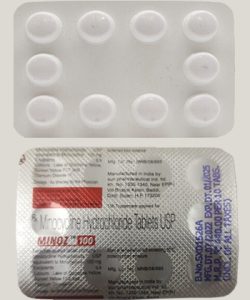
- Forms & Dosages: Pellet-filled capsules 50 mg and 100 mg; modified/retard capsules 50 mg and 100 mg; tablets 50 mg and 100 mg (region-specific); IV injection 100 mg/vial.
- Manufacturers In Australia: iNova (Akamin) and generics sourced from global manufacturers including Aurobindo, Sun Pharma, Sandoz, TEVA and others (local supply varies).
- Registration Status In Australia: Registered products include Akamin by iNova; specific ARTG entries and sponsor details should be confirmed via the TGA ARTG database.
- OTC / Rx Classification: Prescription Only (Rx) in all jurisdictions.
Availability & Price Landscape
Where can I get minocin and what will it cost me?
Major national pharmacy chains and independent chemists commonly dispense minocycline on prescription.
National Pharmacy Chains (Chemist Warehouse, Priceline, TerryWhite)
Pharmacies such as Chemist Warehouse, Priceline and TerryWhite Chemmart typically stock branded Akamin and generics in 50 mg and 100 mg strengths where supplier lines permit.
Supply can vary by store and region, with metropolitan outlets usually holding larger stocks than rural pharmacies.
Online Pharmacy Trends In Australia
Online pharmacies and telehealth services have increased access to prescription antibiotics, with e‑prescriptions accepted by many dispensaries.
Patients often compare in-store prices with online specials and discount warehouses before deciding where to fill a script.
In our online pharmacy, minocin is available without a prescription, with discreet delivery to Australia in 9-21 days.
Price Ranges By Package Size (PBS Vs Private)
How much you pay depends on the pack size, brand and whether the script is PBS-subsidised.
Specific retail RRPs and discount ranges are not specified in the available product data and vary by retailer and whether a prescription is PBS-eligible.
| Supplier Type | Pack Size | Typical Price Range | Per-Capsule Cost |
|---|---|---|---|
| Chemist Warehouse (in-store) | 30 / 100 capsules | Price not specified; varies by brand | Not specified |
| Priceline / TerryWhite | 30 / 100 capsules | Price not specified; varies by brand | Not specified |
| Online Pharmacy / Discount Warehouse | 30 / 100 capsules | Price not specified; promotional discounts possible | Not specified |
| Private Prescription (no PBS) | 30 / 100 capsules | Price not specified; patient pays full cost | Not specified |
Visual Block Suggestion: a price-savings calculator that compares per-capsule cost for 30- and 100-capsule packs.
Patient Insights & Satisfaction Levels
What do Australian patients say about minocin after they try it?
Online reviews and forum posts show a mix of high satisfaction for acne control and concerns about side effects or supply variability.
Forum Reviews (ProductReview, Aussie Health Forums)
Patient reviews on general consumer platforms praise effectiveness for inflammatory acne and clear dosing advice from pharmacists and telehealth clinicians.
Some forum threads flag inconsistent availability of 50 mg and 100 mg capsules in rural areas.
Reported Benefits And Issues From Australian Patients
Common positives include effectiveness for acne that didn’t respond to topical therapy and convenient once- or twice-daily dosing.
Common negatives include nausea, dizziness, photosensitivity and concerns about long-term pigmentation changes reported by a minority of users.
- Top Patient Positives: rapid improvement in inflammatory acne, easy dosing, clear pharmacist counselling, generic affordability, acceptable tolerability for many, availability in 50/100 mg, suitable when doxycycline intolerance occurs, useful for some respiratory infections.
- Top Patient Negatives: nausea/vomiting, dizziness/vertigo, sun sensitivity, rare tooth or skin pigmentation with long use, variability in supply, concerns about cost if not PBS-subsidised, wait times for specialist review.
| Reported Issue | Frequency (User Reports) | Clinical Expectation |
|---|---|---|
| Nausea / GI upset | Common | Expected; counsel to take with water and food if tolerated |
| Dizziness / Vertigo | Occasional | Known adverse effect; advise caution driving |
| Photosensitivity | Occasional | Expected; recommend sun protection |
| Skin / Tooth Pigmentation | Rare | Documented in long-term use; monitor and report |
Product Overview & Brand Variants
Which brands and presentations of minocin are supplied in Australia and overseas?
INN And Brand Names In Australia
Minocycline is marketed in Australia primarily as Akamin (iNova) and as multiple generics that may be supplied from global manufacturers.
International brands include MINOCIN® (Bausch/Rempex/Melinta/TEVA) and other branded or generic presentations in Europe and the US.
Legal Classification (TGA-Approved)
Minocycline is classified under ATC code J01AA08 and is a prescription-only antibiotic.
Distribution in Australia is through TGA-regulated channels and pharmacies dispense on clinician prescriptions, including accepted e‑scripts.
Brand Matrix
| Brand | Manufacturer | Dosage Forms | Packaging (Local) |
|---|---|---|---|
| Akamin | iNova | Capsules 50 mg, 100 mg | Blister & Bottle |
| MINOCIN® | Bausch / Rempex / Melinta / TEVA | Capsules 50 mg, 100 mg; IV 100 mg vial | Bottle 30/100; Vials |
| Generic Minocycline | Aurobindo, Sun Pharma, Sandoz, others | Capsules 50/100 mg; Tablets 50/100 mg; IV vials | Typically 30 or 100 capsules |
Shelf And Storage Cues For Point-Of-Sale Staff: store below 25°C, protect from light and moisture, and do not freeze IV formulations.
Indications In Local Medical Practice
When do Australian prescribers choose minocin?
Approved Uses By TGA
TGA-registered indications align with standard systemic antibacterial uses where tetracyclines are appropriate.
Common approved uses include moderate-to-severe acne and certain respiratory or urogenital infections per clinician judgment.
Off-Label Patterns In Australian Clinics
Primary-care clinicians sometimes use minocycline off-label for chronic inflammatory dermatological conditions and as an alternative if doxycycline is not tolerated.
- Approved Uses: moderate-to-severe acne; bacterial infections where minocycline sensitivity is appropriate.
- Common Off-Label Uses: chronic dermatology indications, alternative therapy for doxycycline intolerance.
Typical Durations: acute infections are usually treated for 7–14 days, while acne management continues for weeks to months with regular review.
Decision Flowchart Suggestion For Prescribers: confirm indication → screen for pregnancy/children <8 or severe hepatic disease → select dosing (initial 200 mg then 100 mg 12-hourly for many infections; 50–100 mg once or twice daily for acne) → plan duration and review points.
Pharmacist Role: screen for pregnancy, age under 8 years, and severe hepatic impairment before dispensing and flag concerns to the prescriber.
How It Works In The Body
How does minocin kill or control bacteria and why is it chosen for skin infections?
Layman’s Explanation
Minocycline is a tetracycline antibiotic that stops bacteria from making proteins they need to survive and reproduce, which helps the immune system clear infections and reduces inflammation in acne.
Clinical Detail
Minocycline is bacteriostatic and binds to the 30S ribosomal subunit to inhibit protein synthesis.
It has good tissue penetration into skin and the respiratory tract and a relatively long half-life that allows once- or twice-daily dosing depending on formulation.
Elimination: minocycline is less renally excreted than older tetracyclines, which is relevant when adjusting doses in renal impairment.
| Property | Characteristic |
|---|---|
| Mechanism | Binds 30S ribosomal subunit; inhibits protein synthesis |
| Tissue Penetration | Good skin and respiratory tract penetration |
| Half-Life | Relatively long; supports once- or twice-daily dosing |
| Excretion | Less renal excretion than older tetracyclines |
Patient Practical Advice: take with a full glass of water, avoid lying down immediately to reduce oesophageal irritation and use sun protection to reduce photosensitivity risk.
Dosage & Administration
What doses are commonly used and how should they be adjusted for different patients?
Standard Regimens
Adult oral regimen for many infections commonly starts with an initial 200 mg dose followed by 100 mg every 12 hours.
For acne, doses of 50–100 mg once or twice daily are typical, depending on severity and prescriber preference.
IV adult dosing uses 100 mg vials with an initial 200 mg (which can be two 100 mg doses an hour apart) followed by 100 mg every 12 hours, up to a maximum of 400 mg in 24 hours.
Adjustments By Patient Type (Elderly, Chronic Conditions)
Children under 8 years are generally avoided due to the risk of tooth and bone effects, and dosing for children over 8 is weight-based and individualised.
Elderly patients usually receive standard doses but should have liver and renal function monitored.
In renal impairment use caution as minocycline is less renally excreted than other tetracyclines but accumulation is still possible.
Severe hepatic impairment may contraindicate use or require specialist review and monitoring.
| Population | Dosing Note |
|---|---|
| Adults | 200 mg initial then 100 mg every 12 hours for many infections; acne 50–100 mg once or twice daily |
| Children >8 Years | Weight-based dosing; generally avoided unless necessary |
| Elderly | Standard dosing; monitor organ function |
| Renal / Hepatic Impairment | Use caution and monitor; specialist advice for severe liver disease |
Contraindications & Side Effects
Who must not take minocin and what adverse effects should be watched for?
Common
Absolute contraindications include hypersensitivity to minocycline or other tetracyclines, pregnancy, children under 8 years and severe hepatic impairment.
Common adverse effects include nausea, vomiting, diarrhoea, dizziness or vertigo, photosensitivity and tooth discoloration with prolonged use.
Rare But Serious (Australian Safety Data)
Less common but serious reactions include immune-mediated hepatitis, hypersensitivity syndromes, intracranial hypertension, skin pigmentation changes and rare reports of agranulocytosis.
| Common | Rare / Serious |
|---|---|
| Nausea, vomiting, diarrhoea | Immune-mediated hepatitis; monitor liver function |
| Dizziness, vertigo | Hypersensitivity syndromes; urgent GP review if severe |
| Photosensitivity | Intracranial hypertension; report persistent headache or visual changes |
| Tooth discoloration (long-term) | Skin pigmentation changes; report new discolouration |
| – | Agranulocytosis (rare) |
Pharmacist Counselling Prompts: advise sun avoidance and sunscreen use, warn about dizziness and driving risk, instruct to stop and seek urgent care for severe rash, jaundice, breathing difficulty or persistent systemic symptoms, and to report any unusual pigmentation.
Comparable Medicines
What are the main alternatives and how do they compare to minocin?
Alternatives Table (PBS And Non-PBS)
| Medicine | Typical Indications | Dosing Convenience | Side-Effect Profile | PBS Status |
|---|---|---|---|---|
| Doxycycline (Doxycin, Vibramycin) | Acne, respiratory infections, many systemic uses | Once or twice daily | GI upset, photosensitivity; generally lower pigmentation risk than minocycline | Varies; check PBS |
| Tetracycline (generic) | Skin infections, acne | Multiple daily dosing | GI upset, photosensitivity | Varies; check PBS |
| Lymecycline (Tetralysal) | Acne | Once daily | Similar tetracycline adverse effects | Varies; check PBS |
| Other antibiotics (azithromycin, clindamycin) | Depends on infection | Varies | Different safety profiles; option if tetracyclines contraindicated | Varies; check PBS |
Pros And Cons List
- Pros Of Minocycline: good tissue penetration, effective in inflammatory acne, once/twice-daily dosing, alternative when doxycycline is not tolerated.
- Cons Of Minocycline: higher risk of pigmentation and autoimmune-like reactions compared with doxycycline, contraindicated in pregnancy and young children, availability and cost may vary if not PBS-listed.
Pharmacist Talking Points When Switching: check indication, prior antibiotic history, pregnancy status and age, and discuss PBS eligibility and likely side effects.
Current Research & Trends
What recent evidence has changed how clinicians view minocin?
Research from 2022–2025 continues to focus on dermatology comparisons, safety analyses for long-term pigmentation and autoimmune events, and modified-release or IV use for resistant infections.
Australian observational studies have looked at community prescribing patterns and telehealth-driven antibiotic access.
Citation Snippets: detailed citation entries are not specified in the provided product data.
Practical Takeaways For Pharmacy Pages: minocycline may be comparable to doxycycline for certain acne types, long-term safety should be monitored, and generic options often present cost benefits.
Common Patient Questions
Which questions do customers ask most often at the pharmacy counter?
- Can I get minocycline on the PBS? Generally prescription-only; check the PBS schedule at dispensing for current listings and subsidy eligibility.
- Can I take it while pregnant or breastfeeding? Not recommended in pregnancy and contraindicated; discuss alternatives with your GP if pregnant or planning pregnancy.
- What about driving? Dizziness and vertigo can occur; avoid driving or operating machinery if affected.
- How long until acne improves? Expect several weeks; review with the prescriber after a few months or earlier if side effects occur.
- What to do if I miss a dose or vomit? Take the missed dose as soon as remembered unless the next dose is near; do not double the next dose.
- PBS
- Pharmaceutical Benefits Scheme — government subsidy programme for eligible medicines.
- TGA
- Therapeutic Goods Administration — regulator for medicines in Australia.
- E‑script
- Electronic prescription accepted by many pharmacies for dispensing.
Pharmacist Prompt: refer to the GP or emergency services if severe rash, jaundice, breathing difficulty or marked neurological symptoms develop.
Regulatory Status
Is minocin approved and subsidised in Australia?
TGA Approval
Minocycline is a prescription-only medicine supplied under TGA-regulated pathways in Australia, with Akamin (iNova) listed among local brands.
Staff should verify specific ARTG entries and sponsor information via the TGA ARTG database at point-of-care.
PBS Subsidy Details
Minocycline is not universally listed for all indications on the PBS.
Pharmacists should consult the PBS schedule at dispensing to confirm whether a particular presentation or indication qualifies for subsidy.
| Item | Status / Action |
|---|---|
| ARTG Entry | Confirm via TGA ARTG database for specific product sponsor and presentation. |
| PBS Listing | Check PBS schedule at dispensing; subsidy not guaranteed for all presentations or indications. |
| Dispensing Steps | Verify prescription validity, check PBS eligibility, advise on private pricing if not listed. |
Visual Recommendations
Which visuals help patients and staff make good choices quickly?
- Price comparison table showing Chemist Warehouse, Priceline, independents and online — table preferred on product pages.
- Dosage quick-reference infographic for oral versus IV dosing and initial versus maintenance regimens.
- Safety icons for pregnancy contraindication, photosensitivity and age limits for children.
- A supply map or heatmap showing urban versus rural stock likelihood and telehealth e-script availability.
- Packaging images comparing Akamin blister/bottle with generic capsule presentations.
Buying & Storage Advice
How should patients buy and store minocin in Australian conditions?
In-Store Vs Online Purchase Tips In Australia
Always confirm a valid prescription before purchase; many pharmacies accept telehealth e‑scripts.
Compare unit price by pack size (for example 30 vs 100 capsules) and ask the pharmacist about generic options for cost and supply reliability.
For online purchases, ensure the seller is a registered Australian pharmacy and follows TGA-compliant dispensing rules.
Storage In Australian Household Conditions (Heat/Humidity)
Store capsules below 25°C, protected from light and moisture, and do not freeze IV formulations.
In hot or humid homes place the medicine in a cool, dry cupboard away from the stove, bathroom or direct sunlight.
If travelling, carry medicines in hand luggage to avoid temperature extremes in checked baggage.
| Pack Size | Expiry Guidance | Transport Notes |
|---|---|---|
| 30 capsules | Check expiry on pack; stable at room temperature | Carry in cool bag if travelling in heat |
| 100 capsules | Check expiry on pack; stable at room temperature | Avoid prolonged exposure to high humidity |
| IV vials | Follow manufacturer storage; do not freeze | Transport under recommended temperature control |
Guidelines For Proper Use
What should pharmacists do when dispensing minocin and what should patients be told?
Pharmacist Guidance In Australia
Verify indication and prescription validity, confirm pregnancy status and patient age, and screen for severe hepatic disease.
Ask about concurrent isotretinoin or other photosensitising medicines and recent antibiotic use.
For long-term acne therapy advise scheduled reviews and monitoring for pigmentation or autoimmune symptoms.
Patient Safety Recommendations
Advise patients to take minocin with a full glass of water and not to lie down immediately afterwards to reduce oesophageal irritation.
Recommend sunscreen and protective clothing due to photosensitivity risk and instruct patients to report severe side effects such as jaundice, severe rash, breathing difficulty or persistent dizziness.
Provide or offer a printable counselling card summarising contraindications, missed-dose rules and warning signs requiring urgent medical review.
Delivery Across Australia
| City | Region | Delivery time |
|---|---|---|
| Sydney | New South Wales | 9-14 days |
| Melbourne | Victoria | 9-14 days |
| Brisbane | Queensland | 9-14 days |
| Perth | Western Australia | 9-14 days |
| Adelaide | South Australia | 9-14 days |
| Canberra | Australian Capital Territory | 9-14 days |
| Hobart | Tasmania | 9-14 days |
| Darwin | Northern Territory | 14-21 days |
| Gold Coast | Queensland | 9-14 days |
| Newcastle | New South Wales | 9-14 days |
| Wollongong | New South Wales | 9-14 days |
| Geelong | Victoria | 9-14 days |
| Townsville | Queensland | 14-21 days |
| Cairns | Queensland | 14-21 days |
Final Notes And Contact
If you have a prescription and questions about switching between Akamin and a generic, speak to the dispensing pharmacist for brand-specific advice and availability information.
For any severe reactions or suspected allergic responses, seek urgent medical attention immediately.
Further regulatory details such as ARTG listings and PBS subsidy status should be verified on the TGA and PBS websites at the time of dispensing.