Logem
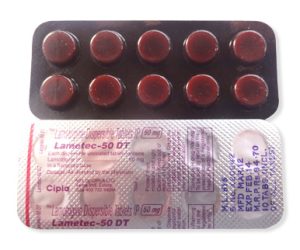
In brief
- In our pharmacy in Australia you can buy logem (lamotrigine) without a prescription; note that lamotrigine is prescription-only in many countries, so check local regulations or consult a health professional.
- Logem is used to treat epilepsy (as monotherapy or adjunctive therapy for partial and generalized seizures) and to prevent depressive episodes in bipolar disorder; it works mainly by stabilising neuronal membranes through inhibition of voltage‑sensitive sodium channels and reducing release of excitatory neurotransmitters (eg, glutamate).
- The usual dose starts at about 25 mg once daily for the initial titration, with maintenance doses commonly 100–200 mg/day (divided doses) — adjunctive therapy or interactions may require doses up to 200–400 mg/day; dosing must be titrated slowly to reduce rash risk.
- Logem is administered orally as standard or dispersible/chewable tablets, extended‑release tablets and starter/titration packs.
- Because slow titration is required, clinical effect is not immediate; some patients notice benefit within 2–8 weeks as the dose is increased to a therapeutic level.
- The duration of action is approximately 24 hours (half‑life around 24–35 hours in adults), which supports once‑daily dosing for XR formulations or once‑to‑twice‑daily dosing for immediate‑release formulations; interactions (eg, valproate, enzyme inducers) alter this.
- Avoid excessive alcohol while taking logem — alcohol can worsen dizziness, drowsiness and seizure control and may increase side effects.
- The most common side effect is headache; other frequent effects include dizziness, nausea, sleep disturbances and skin rash (the latter can be serious and requires immediate medical attention).
- Would you like to try logem without a prescription?
Availability & Price Landscape
Basic Logem Information
- INN (International Nonproprietary Name): Lamotrigine
- Brand Names Available In Australia: Lamictal; Logem; generics supplied by Mylan/Logem; other global brands listed include Arrow-Lamotrigine and Lamictal XR (noted regionally)
- ATC Code: N03AX09
- Forms & Dosages: Dispersible/chewable tablets 25, 50, 100 mg; standard oral tablets 25, 50, 100 mg; extended-release (XR) tablets 25–300 mg (bottles of 30); starter packs (5-week titration kits)
- Manufacturers In Australia: GSK (originator Lamictal); Teva (XR supplier); Arrow; Mylan/Logem (suppliers in ANZ)
- Registration Status In Australia: Not specified
- OTC / Rx Classification: Prescription Only (Rx) globally
Lamotrigine (sold under Lamictal and multiple generics) is stocked widely across major Australian chains and community pharmacies.
Customers commonly compare Chemist Warehouse, Priceline and TerryWhite for price and availability when ordering lamotrigine tablets.
Generics from suppliers such as Mylan/Logem and Arrow increase price competition and availability in most urban areas.
Telehealth e-prescriptions and fast online dispensing have boosted private sales and same-week collection in metro stores.
Rural and remote patients often rely on courier services and pharmacy networks to maintain continuity of supply.
PBS listing governs subsidised access for eligible patients, while private scripts vary by brand, pack size and pharmacy.
Specific PBS item numbers and co-payment details are not specified in the product data provided here.
| Payment Type | Typical Pack Sizes | Price Range | Typical Lead Time For Rural Delivery |
|---|---|---|---|
| PBS (Subsidised) | Starter/titration packs; 25–100 mg tablets | Not specified | 9-14 days (dependent on script processing and pharmacy network) |
| Private (Non-PBS) | Single-strength packs; XR bottles of 30 | Varies significantly by brand and pack size; generics usually lowest | 9-21 days (longer for very remote addresses) |
Price signals to watch for: generic lamotrigine and larger bottle packs generally give the lowest cost per tablet.
Starter/titration packs cost more per tablet but are clinically necessary to reduce rash risk during initiation.
Common search terms used by shoppers include Lamictal, lamotrigine tablets 25 mg and Logem.
Patient Insights & Satisfaction Levels
Forum Reviews
Patients turn to ProductReview and Aussie health forums for practical feedback on lamotrigine tablets.
Common threads cover supply issues, brand switching and experiences with starter packs such as Lamictal starter packs.
Rural users report reliance on mail-order and courier delivery when local stock is limited.
Reported Benefits And Issues From Australian Patients
Many patients report improved seizure control and fewer cognitive side-effects compared with older antiepileptic drugs.
Users often describe better day‑to‑day concentration and clearer thinking after stabilisation on lamotrigine.
Early side effects commonly reported include headache, dizziness, nausea and sleep disturbance.
Safety concerns focus on skin reactions during the early weeks of titration; forum posts repeatedly stress the need for slow escalation.
- Top Pros: Improved concentration; mood stabilisation for bipolar depression prevention; lower cognitive slowing than some older AEDs.
- Top Cons: Need for slow titration; transient side effects on initiation; rare but serious skin rashes requiring urgent assessment.
Testimonial (anonymised): “Switched from an older AED and finally felt clearer in work meetings, but the first fortnight I had headaches until the dose settled.”
Testimonial (anonymised): “Generic switch saved me money but I watched for any tiny changes in sleep and seizure pattern for a few weeks after the change.”
References in community threads name Lamictal, Logem and Arrow‑labelled lamotrigine tablets when discussing brand tolerance.
Product Overview & Brand Variants
INN And Brand Names In Australia
The International Nonproprietary Name (INN) is lamotrigine.
Brands associated with lamotrigine include Lamictal (originator), Logem and Arrow‑Lamotrigine; XR formulations such as Lamictal XR and Teva’s extended‑release are listed globally.
Legal Classification (TGA‑Approved)
Prescription status is listed as prescription only (Rx) in the available product data.
Specific TGA registration details for Australian product variants are not specified in the supplied data.
| Brand Name | Strengths (mg) | Pack Types |
|---|---|---|
| Lamictal | 25, 50, 100 (XR variants globally up to 300) | Starter/titration packs; blisters |
| Logem / Mylan Generics | 25, 50, 100 | Blisters; bottles |
| Arrow‑Lamotrigine | 25, 50, 100 | Blisters |
| Lamictal XR / Teva XR | 25, 50, 100, 200, 250, 300 | Bottles of 30 (extended‑release) |
- XR: Extended‑release formulation designed for once‑daily dosing in some patients.
- Starter Pack: A 5‑week titration set combining multiple strengths to safely escalate dose.
- Dispersible Tablet: A formulation that can be dissolved for easier dosing when required.
Indications In Local Medical Practice
Approved Uses By Regulatory Labels
Lamotrigine is indicated for epilepsy as adjunctive therapy or monotherapy for partial and generalised seizures.
It is also used for prevention of depressive episodes in bipolar disorder in many jurisdictions.
Off‑Label Patterns In Australian Clinics
Australian neurologists and GPs commonly prescribe lamotrigine as either adjunctive therapy or monotherapy depending on seizure type and patient history.
Off‑label uses observed include treatment for refractory mood disorders and certain neuropathic pain cases when other options are unsuitable.
| Condition | Typical Maintenance Range |
|---|---|
| Epilepsy (Monotherapy) | 100–200 mg/day |
| Epilepsy (Adjunct With Enzyme Inducers) | Up To 200–400 mg/day |
| Bipolar Disorder (Maintenance) | 100–200 mg/day |
Starter and titration packs are routine at initiation to reduce the risk of severe cutaneous reactions.
How It Works In The Body
Layman’s Explanation
Lamotrigine helps reduce excessive electrical activity in the brain that causes seizures and mood instability.
It generally supports more stable brain signalling which can prevent seizure recurrence and depressive relapses in bipolar disorder.
Clinical Detail
Lamotrigine primarily modulates voltage‑gated sodium channels and may reduce glutamate release to lower neuronal hyperexcitability.
Its ATC classification is N03AX09 under other antiepileptics.
| Interaction | Effect On Lamotrigine |
|---|---|
| Valproate | Increases lamotrigine exposure; lower lamotrigine doses required |
| Enzyme Inducers (e.g., carbamazepine) | May reduce lamotrigine concentrations; higher maintenance dose may be needed |
- ATC Code: N03AX09 — antiepileptic, other.
- XR: Extended‑release formulation for altered release profile.
- Starter Pack: Preassembled titration schedule to reduce rash risk.
Dosage & Administration
Standard Regimens
Initiation follows slow titration to reduce risk of serious skin reactions.
Typical monotherapy starts 25 mg once daily for two weeks, then increases toward a maintenance range of 100–200 mg/day given as split doses.
When used with enzyme‑inducing antiepileptics the maintenance range can be up to 200–400 mg/day depending on interactions.
Adjustments By Patient Type
Children are dosed by weight with specific age and weight protocols and slower titration schedules.
Elderly patients should start at the low end of the dosing range and titrate cautiously.
Hepatic impairment requires dose reduction and closer monitoring.
| Indication / Population | Typical Starting Dose | Target Maintenance |
|---|---|---|
| Epilepsy (Monotherapy) | 25 mg once daily × 2 weeks | 100–200 mg/day |
| Epilepsy (Adjunct With Enzyme Inducers) | 25 mg once daily | Up to 200–400 mg/day |
| Bipolar Disorder | 25 mg once daily | 100–200 mg/day |
- Checklist: Stop and consult if a rash appears or if severe sedation develops.
- Checklist: If a dose is missed, take as soon as remembered unless it is close to the next dose; do not double up.
Contraindications & Side Effects
Common
Absolute contraindication is known hypersensitivity to lamotrigine or any excipients.
Common adverse effects include headache, dizziness, nausea and sleep disturbances.
A transient rash can occur and often resolves with continued treatment, but requires monitoring.
Rare But Serious (Australian Safety Data)
Severe cutaneous adverse reactions such as Stevens–Johnson syndrome and toxic epidermal necrolysis are rare but serious.
Risk of severe skin reactions increases with rapid titration, co‑administration with valproate and in children.
Blurred vision, ataxia and severe allergic reactions have also been reported and need urgent assessment.
- Common Side Effects: Headache, dizziness, nausea, sleep disturbance, mild rash.
- Serious Side Effects: Widespread or progressive rash, mucosal involvement, systemic signs — seek urgent medical care.
If a patient develops a progressive rash they should stop lamotrigine and be assessed immediately by a clinician or present to the emergency department.
Comparable Medicines
Alternatives Table (PBS And Non‑PBS)
| Medicine | Recommended Indication | Common Side Effects | PBS Status |
|---|---|---|---|
| Levetiracetam (Keppra) | Adjunctive epilepsy | Somnolence, behavioural changes | Not specified |
| Valproate (Depakote) | Generalised epilepsy, mood stabiliser | Weight gain, tremor, teratogenic risk | Not specified |
| Carbamazepine (Tegretol) | Partial seizures, trigeminal neuralgia | Dizziness, hyponatraemia | Not specified |
| Oxcarbazepine (Trileptal) | Partial seizures | Dizziness, hyponatraemia | Not specified |
Pros And Cons List
- Pros Of Lamotrigine: Lower cognitive slowing than many older AEDs; effective for bipolar depressive relapse prevention in appropriate patients.
- Cons Of Lamotrigine: Requires slow titration; rare risk of severe skin reactions; dosing complexity with valproate or enzyme inducers.
Current Research & Trends
Major Studies 2022–2025
Recent meta-analyses continuing through 2022–2025 support lamotrigine’s efficacy for seizure reduction and prevention of bipolar depressive relapse.
Ongoing clinical interest focuses on optimising initiation schedules and improving safety monitoring for skin reactions.
Emerging Market And Packaging Trends
Extended‑release XR formulations increase adherence options, with suppliers such as Teva listed for XR products.
Packaging trends include movement toward child‑resistant blister packs in ANZ for added safety.
Pharmacies should monitor TGA and PBS announcements as generic supply agreements with Mylan/Logem and Arrow can change pricing and stock rapidly.
A simple timeline of approvals and XR generic launches helps purchasing teams anticipate supply impacts.
Common Patient Questions
Top FAQs From Australian Pharmacy Consultations
Can I switch brands?
Short answer: usually yes, but advise monitoring for efficacy and tolerability after a brand change, especially during titration.
What if I miss a dose?
Take a missed dose as soon as you remember unless it is near the next scheduled dose; do not double up.
How long until it works?
Therapeutic effects for seizure prevention or mood stabilisation develop over weeks after titration completes.
Pregnancy and breastfeeding?
Specialist review is required; dose adjustments and monitoring are often necessary during pregnancy and lactation.
What to do about a rash?
Stop lamotrigine and seek urgent medical assessment if a rash is widespread, involves mucous membranes or is accompanied by systemic symptoms.
Quick Pharmacist Answers
- Switching brands: Monitor for a few weeks after the switch and report any change in seizures or side effects.
- Missed dose: Take when remembered unless next dose is imminent; never double the dose.
- Onset: Allow time after titration; do not expect immediate stabilisation at low starting doses.
- Rash action: Immediate assessment for progressive or severe rash is required.
Regulatory Status
TGA Approval (Australia)
The product data lists approvals by EMA and US FDA and indicates global prescription status, but specific TGA registration details are not specified in the supplied dataset.
PBS Subsidy Details & International Notes
PBS subsidy status and item numbers are not specified in the provided product information.
Internationally, Lamictal, Arrow‑Lamotrigine and Logem appear in ANZ and other registries, while PHARMAC funds and procurement remain a New Zealand process separate from the Australian PBS.
| Regulatory Point | Note |
|---|---|
| Prescription Status | Prescription only (Rx) globally |
| TGA Registration | Not specified in supplied data |
| International Registration | EMA and US FDA approvals documented; PHARMAC lists brands in NZ |
Visual Recommendations
Infographics: PBS Pricing, Pharmacy Networks
Recommended visuals include a 5‑week titration timeline showing starter pack dosing, a PBS versus private price comparison chart and a pharmacy network map for urban and rural delivery times.
Product Images, Titration Timeline & Safety Icons
Pack shots should include blister versus bottle presentation, with clear strength imprints such as 25 mg, 50 mg and 100 mg shown.
Include an interaction map highlighting valproate as an exposure increaser and carbamazepine as an enzyme inducer reducing lamotrigine levels.
Ensure accessible alt text and high contrast for readability and compliance with accessibility best practice.
Buying & Storage Advice
In‑Store Vs Online Purchase Tips In Australia
Verify prescription validity, including telehealth e‑scripts, before ordering lamotrigine tablets.
Compare generic versus brand pricing and ask the pharmacist about starter packs versus single‑strength packs.
For rural customers confirm courier handling and lead times; stock and private price competitiveness is strongest with major chains.
In our online pharmacy, logem is available without a prescription, with discreet delivery to Australia in 9-21 days.
Storage In Australian Household Conditions
Store lamotrigine below 25°C and protect from light and moisture.
Keep medicines in original packaging — dispersible tablets particularly need moisture protection.
Child‑resistant packaging is increasingly standard across ANZ and important in households with young children.
Guidelines For Proper Use
Pharmacist Guidance In Australia
Start lamotrigine using the recommended slow titration schedule with starter packs to reduce rash risk.
Document all current antiepileptic and mood stabiliser therapies so doses can be adjusted, for example lowering lamotrigine when co‑prescribed with valproate.
Patient Safety Recommendations
Counsel patients to report any skin changes, mucosal symptoms or systemic features immediately.
Advise on missed‑dose rules and the importance of adherence through the titration period and into maintenance.
Schedule periodic reviews for efficacy, adverse effects and adherence, and discuss contraception and pregnancy planning with women of childbearing potential.
- Provide a stepwise counselling checklist covering titration, interactions and rash response.
- Offer a printable safety card summarising warning signs and emergency contacts.
Delivery Across Australia
| City | Region | Delivery Time |
|---|---|---|
| Sydney | New South Wales | 9-14 days |
| Melbourne | Victoria | 9-14 days |
| Brisbane | Queensland | 9-14 days |
| Perth | Western Australia | 9-14 days |
| Adelaide | South Australia | 9-14 days |
| Canberra | Australian Capital Territory | 9-14 days |
| Hobart | Tasmania | 9-14 days |
| Darwin | Northern Territory | 9-14 days |
| Gold Coast | Queensland | 9-14 days |
| Newcastle | New South Wales | 9-14 days |
| Wollongong | New South Wales | 9-14 days |
| Geelong | Victoria | 14-21 days |
| Sunshine Coast | Queensland | 14-21 days |
| Cairns | Queensland | 14-21 days |
| Townsville | Queensland | 14-21 days |