Lanoxin
In brief
- In our pharmacy, you can buy lanoxin without a prescription, with delivery throughout Australia in 9–21 days. Discreet and anonymous packaging available.
- Lanoxin (digoxin) is used for chronic heart failure and for rate control in atrial fibrillation; it is a cardiac glycoside that inhibits the Na+/K+-ATPase pump, increasing intracellular calcium to boost cardiac contractility and enhancing vagal tone to slow AV nodal conduction.
- The usual dose for adults is 0.125–0.25 mg once daily (individualised); paediatric dosing is weight-based (around 5–10 mcg/kg/day orally); doses should be reduced in renal impairment and in elderly patients and may require loading in some situations.
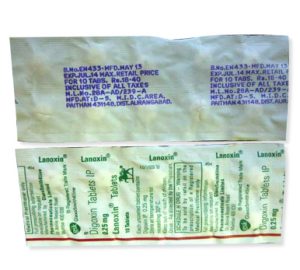
- Forms of administration: oral tablets (0.0625 mg, 0.125 mg, 0.25 mg), oral solution/elixir (0.05 mg/mL) and injectable ampoules/vials (0.25 mg/mL) for intravenous use.
- Onset time: oral effects typically begin within 30–120 minutes (peak 1–3 hours); intravenous effects usually begin within 5–30 minutes.
- Duration of action: effects are prolonged due to a long half‑life (about 36–48 hours in normal renal function); clinical effects persist for a day or more and once‑daily dosing is standard.
- Alcohol warning: avoid excessive alcohol — it can worsen heart failure, cause dehydration or electrolyte imbalance and increase the risk of digoxin toxicity; discuss alcohol use with your clinician.
- The most common side effect is nausea; other frequent effects include vomiting, diarrhoea, dizziness, confusion and visual disturbances (blurred or yellow vision), and fast or irregular heartbeats which may indicate toxicity.
- Would you like to try lanoxin without a prescription?
Basic Lanoxin Information
- INN (International Nonproprietary Name): Digoxin.
- Brand Names Available In Australia: Lanoxin and generic digoxin products; local brand availability varies by supplier and contract.
- ATC Code: C01AA05 (Cardiac Glycosides, Digoxin).
- Forms & Dosages: Tablets 0.0625 mg, 0.125 mg, 0.25 mg; oral solution/elixir 0.05 mg/mL; injection 0.25 mg/mL (2 mL ampoules).
- Manufacturers In Australia: Not specified (global manufacturers include GlaxoSmithKline, Amneal, Mylan, Sanofi, Teva; local sourcing varies).
- Registration Status In Australia: Not specified in the provided data; check TGA registers when confirming supply.
- OTC / Rx Classification: Prescription-only (Rx) in major markets and typically in Australia.
Availability & Price Landscape
Worried about finding the right strength of lanoxin and how much it will cost?
Lanoxin (digoxin) is prescription-only and is stocked through major Australian pharmacy chains and many hospital pharmacies, though local availability varies depending on generics and supplier contracts.
Tablets in 0.0625 mg, 0.125 mg and 0.25 mg strengths and injectable ampoules are the usual stock lines pharmacists order.
PBS listing determines out‑of‑pocket cost for eligible patients, and where digoxin is not PBS‑subsidised discount chains and online pharmacies increase price sensitivity.
Telehealth and e‑prescriptions have made access easier, but rural patients may face delays especially when injectable ampoules are required.
Many outlets carry generics rather than a branded Lanoxin pack, so compare pack sizes and PBS subsidy at the time of dispensing.
| Scenario | Typical Cost Note |
|---|---|
| PBS‑subsidised (eligible indications) | Patient cost determined by PBS schedule and authority requirements. |
| Private prescription (non‑PBS) | Prices vary; discount chains and online pharmacies commonly offer lower private prices. |
| Hospital supply | Usually stocked for inpatient use; outpatient supply depends on discharge prescriptions and local contracts. |
Purchase routes:
- Community pharmacies (Chemist Warehouse, Priceline, TerryWhite Chemmart).
- Independent pharmacies and hospital pharmacies.
- Accredited online pharmacies and telehealth e‑prescription services.
Practical advice: always confirm strength (62.5 mcg / 125 mcg / 250 mcg) on the dispensing label and check current PBS status before finalising price to the patient.
Patient Insights & Satisfaction Levels
Wondering what Australian patients say about lanoxin treatment and side effects?
Online forum reviews and health discussion boards commonly praise once‑daily dosing and symptomatic improvement in palpitations and energy when digoxin is effective for heart failure or atrial fibrillation rate control.
Many users also raise concerns about the narrow therapeutic window and side effects such as nausea or visual changes, and emphasise the importance of monitoring serum levels.
Rural patients often report longer waits for specialist monitoring and serum digoxin assays compared with metro patients who can access community pathology more quickly.
Reported practical issues include confusion over microstrengths (62.5 mcg vs 125 mcg), accidental double dosing, and anxiety about recognising toxicity signs.
- Patient Pros: once‑daily dosing, symptom control in heart failure/AF, generally effective at low cost when PBS‑subsidised.
- Patient Cons: narrow therapeutic index, gastrointestinal and visual side effects, interactions with other medicines.
Definitions patients ask about:
- Therapeutic Window: the blood level range in which digoxin is effective without being toxic.
- Serum Level: a blood test measuring digoxin concentration to guide dosing.
Tip for pharmacies: provide a printed wallet card with dose, monitoring schedule and emergency signs to improve adherence and safety in Australian settings.
Product Overview & Brand Variants
Confused by brand names and different formulations of digoxin?
Digoxin is the International Nonproprietary Name (INN) and global brands include Lanoxin alongside multiple generics from regional manufacturers.
In Australia you will most commonly see generics and occasional branded Lanoxin packs depending on supplier contracts and wholesaler stock.
Forms sold match international practice: tablets (0.0625 mg, 0.125 mg, 0.25 mg), an oral elixir and injectable ampoules.
Digoxin is classified as a cardiac glycoside, Group V antiarrhythmic and inotropic agent and is prescription‑only.
| Form | Strengths | Typical Packaging |
|---|---|---|
| Tablets | 0.0625 mg, 0.125 mg, 0.25 mg | Blister packs or bottles |
| Oral Elixir | 0.05 mg/mL | Bottle |
| Injection | 0.25 mg/mL (2 mL ampoule) | Ampoule or vial |
Pharmacy note: verify batch, supplier and stability information on receipt, and confirm whether a paediatric elixir is available for weight‑based dosing in children.
Indications In Local Medical Practice
Is lanoxin the right medicine for my patient with heart failure or atrial fibrillation?
Digoxin is approved for chronic heart failure (including in older children) and for rate control in atrial fibrillation in adults.
In Australia, prescribers balance digoxin against beta‑blockers and calcium‑channel blockers depending on comorbidity, renal function and guideline recommendations.
Off‑label or niche patterns seen in clinics include combination therapy for refractory AF in palliative settings and selective paediatric use for older children where weight‑based dosing is required.
Rural clinicians sometimes prefer oral maintenance digoxin when monitoring is feasible but definitive specialist options such as ablation may be less accessible.
- Approved Uses: chronic heart failure; atrial fibrillation rate control (adult).
- Off‑Label/Niche Uses: refractory AF in palliative care; selective paediatric use and weight‑based dosing.
Clinical decision flow (simple):
Assess indication → review renal function and electrolytes → consider beta‑blocker/CCB suitability → if rate control needed and alternatives unsuitable, consider digoxin with monitoring.
Always cross‑check PBS criteria and authority requirements before dispensing to confirm subsidy eligibility.
How It Works In The Body
How does lanoxin actually help the heart work better?
In plain terms, digoxin makes the heart contract more strongly and slows conduction through the atrioventricular (AV) node, helping a weak heart pump better and controlling a fast ventricular response in atrial fibrillation.
At a clinical level, digoxin is a cardiac glycoside that inhibits Na+/K+‑ATPase in cardiac myocytes, increasing intracellular sodium which secondarily raises intracellular calcium and enhances contractility.
Digoxin also produces vagomimetic effects that slow AV nodal conduction, which is useful for rate control in AF.
Classification and mechanism details: ATC C01AA05; inotropic agent and Group V antiarrhythmic.
Visual block (labelled):
Cardiac Myocyte → Na+/K+‑ATPase inhibited → ↑ Intracellular Na+ → ↑ Intracellular Ca2+ → Stronger Contraction.
Definitions:
- Inotrope: drug that increases cardiac contractile force.
- AV Node: electrical relay between atria and ventricles that digoxin slows.
- Therapeutic Window: safe blood‑level range where digoxin works without toxicity.
Pharmacy practical note: explain the therapeutic window and the need for periodic serum digoxin and renal function tests to patients starting or changing digoxin therapy.
Dosage & Administration
What dose of lanoxin should a patient take and how is it adjusted?
Standard adult maintenance dosing is commonly 0.125–0.25 mg once daily, individualised to clinical response and serum digoxin levels.
Paediatric dosing is weight‑based at about 5–10 mcg/kg/day orally, and an oral solution or carefully divided tablets should be used for accuracy.
Elderly patients and those with renal impairment require lower starting doses and closer monitoring because digoxin is mainly renally cleared.
| Patient Group | Usual Dose / Guidance |
|---|---|
| Adult Maintenance | 0.125–0.25 mg once daily (individualise) |
| Paediatric | 5–10 mcg/kg/day orally; use elixir or exact tablet splitting |
| Renal Impairment / Elderly | Reduce dose and increase frequency of serum level checks |
Administration checklist:
- Confirm microstrength on label (62.5 mcg / 125 mcg / 250 mcg).
- Give once daily; timing can be flexible with food.
- If a dose is missed, take as soon as remembered unless it is near the next dose; do not double up.
Pharmacy point: label clearly with microgram notation and counsel on missed doses and interactions with common medicines.
Contraindications & Side Effects
What should patients and pharmacists watch for with lanoxin?
Absolute contraindications include ventricular fibrillation, known hypersensitivity to digitalis glycosides, acute myocarditis and severe AV block unless paced.
Common adverse effects are nausea, vomiting, diarrhoea, dizziness, headache, confusion, weakness and visual disturbances such as yellow or blurred vision and halos.
Serious but rarer outcomes include life‑threatening arrhythmias due to toxicity, amplified by electrolyte disturbances like hypokalaemia and hypomagnesaemia.
| Contraindications | Monitoring Actions |
|---|---|
| Ventricular fibrillation; severe AV block; acute myocarditis | Do not dispense; refer urgently to cardiology/emergency services |
| Known hypersensitivity to digoxin | Substitute therapy; document allergy |
| Patients with renal impairment or electrolyte imbalance | Check renal function, electrolytes and serum digoxin levels frequently |
Patient leaflet checklist for toxicity signs:
- Persistent nausea/vomiting or new visual changes (yellow/blurred vision, halos).
- Dizziness, fainting, new palpitations or breathlessness.
- Seek emergency care if severe symptoms or suspected overdose occur.
Pharmacist action: obtain full medication history because many drugs can raise digoxin levels and increase toxicity risk.
Comparable Medicines
Should the patient stay on lanoxin or consider an alternative?
Alternatives include digitoxin, amiodarone, bisoprolol and metoprolol, each with different indications, monitoring needs and PBS subsidy status.
| Drug | INN | Main Indication | Monitoring Needs |
|---|---|---|---|
| Lanoxin | Digoxin | Heart failure, AF rate control | Serum digoxin, renal function, electrolytes |
| Digitoxin | Digitoxin | Heart failure, arrhythmias | Longer half‑life; liver clearance monitoring |
| Amiodarone | Amiodarone | Atrial fibrillation | Thyroid, liver, lung monitoring |
| Bisoprolol / Metoprolol | Bisoprolol / Metoprolol | Heart failure, AF rate control | BP and heart rate monitoring |
Pros and cons summary:
- Digoxin — Pros: once‑daily dosing, useful AV node rate control; Cons: narrow therapeutic index, renal dosing and many interactions.
- Beta‑blockers — Pros: broad use in heart failure and AF; Cons: may be contraindicated in reactive airways disease or severe bradycardia.
Decision aid for pharmacy shoppers: discuss clinical goals, current medicines and renal function with the GP to determine whether digoxin or an alternative is preferable.
Current Research & Trends
What do recent studies say about lanoxin use and safety?
Recent cohort analyses through 2022–2024 continue to reassess mortality associations versus symptomatic benefits, highlighting the importance of careful patient selection and regular serum monitoring.
Australian practice papers emphasise telehealth‑enabled monitoring pathways and pharmacist‑led education to reduce toxicity‑related admissions.
International trials still support digoxin for rate control in AF when beta‑blockers are contraindicated, and paediatric registries provide clearer guidance on weight‑based dosing and safety.
Key practical takeaways for prescribers and pharmacists include tighter collaboration on monitoring thresholds, ensuring timely access to digoxin assays and adjusting doses for renal function and age.
Pharmacy implication: establish collaborative care pathways with local cardiologists and pathology providers for faster serum level turnaround and proactive follow‑up after dose changes.
Common Patient Questions
What do patients commonly ask in the pharmacy about lanoxin?
Is Lanoxin on the PBS?
Answer: that depends on the indication and PBS listing at the time; pharmacists should check the PBS schedule and authority requirements before advising on cost.
How quickly does it work?
Rate control effects may be noticeable within days, while full optimisation and symptom improvement can take weeks and require serum level checks.
What doses exist?
Tablets are commonly 62.5 mcg, 125 mcg and 250 mcg; an oral elixir is used for precise paediatric dosing.
What are toxicity signs?
Common signs include nausea, visual changes and new arrhythmias; severe symptoms require emergency care.
- Pharmacy checklist: ask about renal function, current medicines and plan for serum digoxin and electrolyte checks.
- Provide clear written instructions on missed doses and when to seek urgent care if overdose is suspected.
Printable pocket card template: patient name; dose and strength; monitoring dates; emergency contact — include with dispensing if possible.
Regulatory Status
Is lanoxin approved and what about PBS subsidy rules?
Digoxin is widely approved internationally; the provided data lists FDA and EMA approvals and licensing by national agencies such as the UK MHRA.
The Therapeutic Goods Administration (TGA) status for specific packs or brands was not specified in the supplied data, so pharmacists should confirm TGA registration and local listing when sourcing.
PBS subsidy depends on indication and listing status and may require authority prescriptions; verify the current PBS schedule at the time of dispensing.
Importation or special access routes are rarely needed, but may be used to obtain specific formulations such as paediatric elixir or injectable ampoules when supply is constrained.
Pharmacist step checklist:
- Verify TGA registration and any brand‑specific approvals.
- Check PBS codes, subsidy criteria and authority processes before dispensing.
- Maintain prescription and authority records per Australian regulations.
Visual Recommendations
Which visuals help patients and prescribers understand lanoxin availability and safety?
Recommended assets include an infographic comparing PBS versus private price bands, a mapped visual of national pharmacy networks and an e‑prescribing flowchart for rural patients.
Also include a labelled diagram of digoxin forms and strengths (0.0625 mg, 0.125 mg, 0.25 mg and elixir/injection) and a high‑contrast toxicity warning strip for patient leaflets.
Provide alt text and a short text summary for each visual so staff can offer verbal counselling if requested.
Suggested patient pocket card visual should contain dose, next monitoring date, and emergency signs in bold for quick reference.
Buying & Storage Advice
How should patients buy and store lanoxin safely in Australian homes?
Purchase tips: a prescription is generally required; confirm dose and formulation on the script and check pack strength and expiry on receipt.
Use trusted suppliers such as major chains or accredited online pharmacies, and request the paediatric elixir where precise weight‑based dosing is needed.
In our online pharmacy, lanoxin is available without a prescription, with discreet delivery to Australia in 9-21 days.
Storage guidance: store tablets and ampoules at room temperature (20–25°C / 68–77°F), avoid humidity and extreme heat, and keep out of reach of children.
In Australian climates advise storing in a cool, dry place away from bathrooms and direct sunlight.
| Do | Don’t |
|---|---|
| Store at room temperature in original packaging | Keep in bathroom or near stove where humidity/heat fluctuate |
| Return expired or unused digoxin to the pharmacy for disposal | Dispose in household rubbish or flush down the toilet |
Pharmacist counselling point: remind patients to check expiry dates and return unused medicine to the pharmacy for safe disposal.
Guidelines For Proper Use
What should pharmacists do to keep patients safe on lanoxin?
Confirm the indication on the prescription and ensure up‑to‑date renal function and serum electrolytes before dispensing or at the first refill.
Check for drug interactions and review all concomitant medicines, especially those known to alter digoxin levels.
Provide written dosing instructions, discuss signs of toxicity and schedule follow‑up reminders for serum digoxin and electrolyte checks after initiation or dose changes.
Pharmacist checklist:
- Verify strength and dose (62.5 mcg / 125 mcg / 250 mcg).
- Arrange baseline electrolytes and renal function testing where indicated.
- Set reminders for level checks after dose changes, addition of interacting drugs or in elderly patients.
Patient safety recommendations: supply a wallet card with monitoring intervals and emergency contacts, and liaise promptly with the prescriber for any abnormal results or suspected toxicity.
Delivery Across Australia
| City | Region | Delivery Time |
|---|---|---|
| Sydney | New South Wales | 9-14 days |
| Melbourne | Victoria | 9-14 days |
| Brisbane | Queensland | 9-14 days |
| Perth | Western Australia | 9-14 days |
| Adelaide | South Australia | 9-14 days |
| Canberra | Australian Capital Territory | 9-14 days |
| Hobart | Tasmania | 9-14 days |
| Darwin | Northern Territory | 9-14 days |
| Gold Coast | Queensland | 9-14 days |
| Newcastle | New South Wales | 9-14 days |
| Wollongong | New South Wales | 9-14 days |
| Geelong | Victoria | 9-14 days |
| Cairns | Queensland | 14-21 days |
| Townsville | Queensland | 14-21 days |