Dulcolax
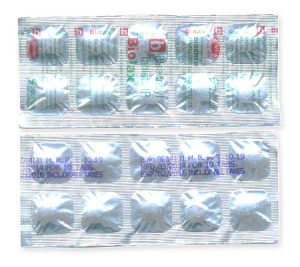
In brief
- In Australia you can buy dulcolax over the counter in community pharmacies and via reputable online pharmacies without a prescription; many sellers offer home delivery and discreet packaging.
- Dulcolax (bisacodyl) is used for occasional constipation and short‑term bowel cleansing before procedures; it is a stimulant laxative that, after activation in the gut, increases colonic peristalsis and fluid secretion.
- Usual doses: adults — oral 5–10 mg once daily (often at night) or rectal suppository 10 mg as a single dose; bowel‑prep regimens may use 10–20 mg orally the night before plus 10 mg suppository in the morning; children >6 years lower doses (oral 5 mg, rectal 5–10 mg) and <6 years require medical advice.
- Administrable forms: enteric‑coated tablets for oral use, rectal suppositories, and single‑use rectal enema solutions.
- Onset: oral tablets typically work within about 6–12 hours (hence night‑time dosing); suppositories usually act within 15–60 minutes; enemas within 5–15 minutes.
- Duration of action: the laxative effect is generally seen as a single evacuation episode over several hours (oral effects commonly within 6–12 hours and resolve thereafter; rectal effects act quicker and usually last a few hours).
- Alcohol warning: avoid excessive alcohol while using dulcolax as alcohol can worsen dehydration and electrolyte disturbances; ensure adequate fluid intake and do not use the product for weight loss.
- Most common side effec: abdominal cramps and diarrhoea (rectal forms may also cause local irritation); dehydration and electrolyte imbalance can occur with overuse.
- Would you like to try dulcolax without a prescription?
Availability & Price Landscape
Basic Dulcolax Information
- INN (International Nonproprietary Name): Bisacodyl
- Brand Names Available In Australia: Dulcolax (international brand; tablets 5 mg, suppositories 10 mg)
- ATC Code: A06AB02 — Laxatives, stimulant laxatives for oral or rectal use
- Forms & Dosages: Tablet (enteric) 5 mg — blister (10, 20, 30 units); Suppository 10 mg — foil pouch (5, 6, 10 units); Enema solution 10 mg/30 mL — single-use bottle
- Manufacturers In Australia: Asia-Pacific suppliers include Sanofi and local licensees (as listed in global supplier data)
- Registration Status In Australia: not specified
- OTC / Rx Classification: Over-the-counter (OTC) in most countries; occasionally prescription for high-dose or procedural use
National Pharmacy Chains (Chemist Warehouse, Priceline, TerryWhite)
Dulcolax and bisacodyl tablet presentations are widely stocked in major Australian pharmacy chains such as Chemist Warehouse, Priceline and TerryWhite Chemmart.
Large chains commonly carry 5 mg enteric tablets in blister packs and 10 mg suppositories in foil pouches.
Discount promotions and multi‑buy offers are frequent at discount chains and often shift customers toward branded or generic bisacodyl options depending on price.
Pack sizes commonly seen on shelf are 10–30 tablets and 5–10 suppositories, matching international packaging.
Rural pharmacies may carry fewer pack sizes and will rely on mail order or distributor supply for rarer SKUs.
For customers seeking rapid relief, suppositories are a common in‑store purchase; for overnight relief tablets are more popular.
LSI keywords used naturally in context include Dulcolax tablets, bisacodyl tablets and Dulcolax suppositories.
Online Pharmacy Trends In Australia
Online pharmacies and e‑pharmacies offer click & collect, express post and standard delivery for bisacodyl products.
Customers frequently compare price bands across Chemist Warehouse, Priceline and independent e‑pharmacies before buying.
Telehealth prescriptions and pharmacy triage services have increased online demand for alternatives such as polyethylene glycol (PEG) when chronic use is suspected.
Stock photos, pack shots and clear dosing charts improve conversion on product pages for bowel movement pills like Dulcolax.
Reputable online sellers will display ARTG or sponsor information where available and highlight storage instructions for suppositories.
In our online pharmacy, dulcolax is available without a prescription, with discreet delivery to Australia in 9-21 days.
Price Ranges By Package Size (PBS Vs Private)
Bisacodyl stimulant laxatives are generally not PBS‑subsidised for routine constipation, so retail prices vary by retailer and pack size.
Typical private retail bands for 5 mg tablet blisters (10–30 units) sit in a low to mid price range depending on promotions and generics.
Suppositories (5–10 unit foil pouches) are usually marginally more expensive per dose due to packaging and rectal formulation costs.
Discount chains often run multi‑buy offers that reduce effective per‑tablet prices and influence brand versus generic choice.
Hospital or procedural use can follow different supply routes where PBS or institutional procurement may apply rather than consumer retail pricing.
Customers choosing by cost should compare per‑unit price and consider onset (oral vs rectal) when selecting between Dulcolax tablets and suppositories.
Patient Insights & Satisfaction Levels
Forum Reviews (ProductReview, Aussie Health Forums)
Australian product reviews and forum posts for Dulcolax focus on speed, predictability and side effects.
Many reviewers report that oral tablets reliably produce a bowel movement overnight, while suppositories act much faster.
Common threads discuss whether branded Dulcolax performs noticeably better than generic bisacodyl tablets.
Rural forum users frequently praise suppositories for rapid relief when travel to a pharmacy is inconvenient.
Price sensitivity and promotions appear repeatedly as drivers for switching to generics or to senna alternatives.
Reviewers often post practical tips such as “take at bedtime” or “don’t take with milk or antacids” based on product information.
Reported Benefits And Issues From Australian Patients
Patients commonly report bowel movement within 6–12 hours after oral enteric tablets and within 15–60 minutes after suppositories.
Top reported benefits are fast, predictable relief for occasional constipation and straightforward dosing.
Top complaints include abdominal cramps, urgency and variable onset when tablets are taken with milk or antacids.
Rural patients value the rectal route to avoid travel for urgent relief.
Price concerns drive some patients to choose generic bisacodyl or alternative stimulant laxatives like senna.
- Top 5 Pros: Fast action, Predictable overnight relief, Clear dosing, Widely stocked, Effective as bowel prep adjunct.
- Top 5 Cons: Abdominal cramps, Urgency, Rectal irritation (suppositories), Variable onset with antacids/milk, Not for long‑term use.
Sample customer lines from reviews: “Worked overnight when I took it at night” and “Suppository sorted me in under an hour — saved a trip to town”.
Relevant formulations seen by reviewers include tablet 5 mg (enteric), suppository 10 mg and enema 10 mg/30 mL which help match patient preference.
Product Overview & Brand Variants
INN And Brand Names In Australia
The active ingredient is bisacodyl, the International Nonproprietary Name noted on product information.
Dulcolax is the widely recognised international brand containing bisacodyl in 5 mg enteric tablets and 10 mg suppositories.
Other global brands include Fleet for rectal forms and local licensees in various markets, with Sanofi commonly listed as a primary brand owner.
Australian market listings often mirror international pack formats and strengths even when sponsor details differ by importer.
Legal Classification (TGA‑Approved)
Bisacodyl stimulant laxatives are classified OTC in most countries according to product data, with procedural or high‑dose use sometimes requiring a prescription.
Pharmacists and merchants should confirm ARTG entries for the exact Dulcolax SKU and sponsor before marketing a specific pack in Australia.
| Form | Typical Pack Sizes | Retail Use Case |
|---|---|---|
| Tablet (Enteric) 5 mg | Blister 10, 20, 30 | On‑shelf OTC for overnight relief |
| Suppository 10 mg | Foil pouch 5, 6, 10 | Behind‑counter for rapid rectal relief |
| Enema 10 mg/30 mL | Single‑use bottle | Procedural or immediate evacuation |
Indications In Local Medical Practice
Approved Uses By TGA
Registered indications for bisacodyl generally include occasional constipation and bowel cleansing prior to procedures.
Product information lists bowel cleansing for surgery, radiological exams and colonoscopy as short‑term registered uses.
Pharmacists should verify the ARTG entry for a specific sponsor to confirm any Australia‑specific wording.
Off‑Label Patterns In Australian Clinics
In primary care and community pharmacy, bisacodyl is commonly recommended as a short course when dietary changes and osmotic laxatives are insufficient.
Off‑label or clinician‑directed use may include adjunctive therapy for opioid‑induced constipation or combined bowel prep regimens.
- In‑practice Checks: pregnancy status, symptoms of obstruction (severe pain, vomiting), current medicines like diuretics or ACE inhibitors.
| Indication | Usual Local Regimen |
|---|---|
| Occasional Constipation | Oral 5–10 mg once at night; review if >7 days |
| Bowel Cleansing For Procedure | 10–20 mg oral night before, 10 mg suppository morning (clinician‑directed) |
How It Works In The Body
Layman’s Explanation
Bisacodyl is a stimulant laxative that makes the bowel contract more and increases fluid secretion into the colon to produce a bowel movement.
Oral enteric tablets are designed to act overnight, typically within 6–12 hours, while suppositories usually work within 15–60 minutes.
Patients are advised to swallow enteric tablets whole and avoid milk or antacids which can affect the coating.
Clinical Detail
Bisacodyl is converted to its active metabolite in the intestinal mucosa where it stimulates enteric nerves and increases peristalsis.
The ATC classification is A06AB02, grouping bisacodyl among stimulant laxatives for oral or rectal use.
Mechanistically the drug reduces water reabsorption and promotes colonic contractions, which explains both its effectiveness and the potential for cramping.
Clinicians should avoid bisacodyl in suspected bowel obstruction or active severe inflammatory bowel disease due to risk of worsening injury.
Onset Visual: Oral tablets — 6–12 hours; Suppository — 15–60 minutes; Enema — rapid within minutes.
Dosage & Administration
Standard Regimens
Adults with occasional constipation usually take oral bisacodyl 5–10 mg once daily, commonly at night for a morning effect.
Suppositories are given as a single 10 mg rectal dose for rapid action.
For bowel preparation clinicians may use 10–20 mg oral the night before plus a morning suppository, always under medical direction.
Adjustments By Patient Type (Elderly, Chronic Conditions)
Children over 6 years can receive oral 5 mg or rectal 5–10 mg; children under 6 years require physician consultation.
Elderly patients do not have a formal dose reduction but should be monitored closely for dehydration and electrolyte disturbances and use should be short‑term.
| Population | Usual Dose | Timing | Counselling Points |
|---|---|---|---|
| Adults | 5–10 mg oral once daily | Night | Swallow whole; avoid milk/antacids |
| Children >6 Years | 5 mg oral or 5–10 mg rectal | As directed | Consult doctor for persistent symptoms |
| Elderly | Standard dosing with monitoring | Night | Watch for dehydration/electrolytes |
Contraindications & Side Effects
Common
Absolute contraindications include known hypersensitivity to bisacodyl or excipients and suspected bowel obstruction or ileus.
Other absolute reasons to avoid bisacodyl are acute surgical abdomen, severe dehydration, acute appendicitis and severe inflammatory bowel disease.
Common side effects are abdominal cramps, diarrhoea, nausea and rectal irritation with suppositories.
Rare But Serious (Australian Safety Data)
Moderate risks include dehydration and electrolyte imbalance, which are more likely in the elderly or those on diuretics.
Rare but serious events include severe electrolyte disturbance, signs suggesting perforation or obstruction, and allergic reactions.
- Red Flags For Urgent Referral: Severe persistent abdominal pain, fever, bloody diarrhoea, vomiting or signs of dehydration.
Definition: Contraindication means do not use; Caution means use with monitoring and/or medical advice, especially in pregnancy or chronic constipation.
Comparable Medicines
Alternatives Table (PBS And Non‑PBS)
| Active Ingredient | Onset | Typical Use | PBS Status |
|---|---|---|---|
| Bisacodyl (Dulcolax) | Oral 6–12 h / Suppository 15–60 min | Occasional constipation, bowel prep | Generally not PBS for routine use |
| Senna / Sennosides (Senokot) | 6–12 h | Occasional constipation | Generally not PBS |
| Polyethylene Glycol (Forlax / Miralax) | 24–48 h (gentler) | Chronic constipation, bowel prep adjunct | Sometimes PBS depending on indication |
| Sodium Picosulfate (Guttalax) | 6–12 h | Occasional constipation, bowel prep | Generally not PBS |
Pros And Cons List
Bisacodyl is fast and effective for predictable short‑term relief but can cause cramping and is not for long‑term daily use.
PEG is gentler and preferred for longer‑term management or elderly patients, with lower risk of cramping.
Senna offers similar stimulant effects to bisacodyl but onset and side effect profiles differ slightly per patient.
For acute bowel prep many clinicians use combinations (bisacodyl plus PEG) under protocol to improve tolerability and cleansing quality.
Current Research & Trends
Major Studies 2022–2025 (Australia + International)
Recent reviews continue to support bisacodyl’s short‑term efficacy for relief and bowel preparation when used appropriately.
Trials between 2022 and 2025 have emphasised long‑term strategies that favour osmotic agents such as PEG for chronic constipation to reduce stimulant exposure.
Ongoing comparative studies are assessing combined regimens of bisacodyl plus PEG versus PEG alone for tolerability and colon cleansing quality.
Australian practice trends show increased pharmacist triage, telehealth guidance, and caution with stimulant laxatives in frail older adults.
- Key Trials (examples): 2022 trial — mixed adult population comparing bowel prep regimens; main outcome: cleansing quality and tolerability.
- 2023 systematic review — short‑term efficacy of stimulant laxatives for rapid relief; main outcome: effective but with cramping.
- 2024 safety review — emphasis on electrolyte monitoring in elderly and those on diuretics.
Pharmacists should check up‑to‑date TGA advisories and local hospital bowel prep protocols before recommending specific regimens.
Common Patient Questions
FAQs From Australian Pharmacy Consultations
Q: Can I take Dulcolax every day?
A: No — do not use for more than seven days without medical review because chronic use can mask underlying problems.
Q: How fast does it work?
A: Oral tablets usually act in 6–12 hours; suppositories typically act in 15–60 minutes depending on individual factors.
Q: Can I take it with other laxatives?
A: Combining laxatives is sometimes appropriate under clinician advice, for example osmotic plus stimulant in bowel prep, but routine combining is not recommended without oversight.
Q: Is bisacodyl safe in pregnancy?
A: Use only if clearly needed and after consulting a GP or pharmacist; pregnancy is a relative caution per product notes.
Q: What if I miss a dose?
A: Skip the missed dose if a next dose is due soon; do not double up to catch up.
Q: What are overdose signs?
A: Severe diarrhoea, abdominal cramps and electrolyte imbalance — seek medical help.
Q: When should I seek urgent care?
A: For severe abdominal pain, fever, persistent vomiting or bloody diarrhoea, seek immediate medical attention.
Regulatory Status
TGA Approval
Bisacodyl products such as Dulcolax are widely registered internationally as OTC according to the available product data, but specific Australian ARTG entries should be confirmed for each SKU and sponsor.
Pharmacists and merchants should verify ARTG registrations and sponsor details prior to listing a branded pack for sale.
PBS Subsidy Details
Stimulant laxatives like bisacodyl are generally not subsidised on the PBS for routine constipation treatment.
Bowel cleansing agents used in hospital procedures may be provided through hospital formularies or institutional procurement rather than PBS retail subsidies.
| Regulatory Item | Likely Status | Action |
|---|---|---|
| Bisacodyl Tablet/Suppository | OTC in most jurisdictions | Check ARTG for sponsor and presentation |
| Bowel Prep High‑Dose | Prescription/institutional settings | Follow hospital protocols |
Visual Recommendations
Infographics: PBS Pricing, Pharmacy Networks
Recommended visuals include an infographic comparing onset times and indications, and a pricing heatmap across Chemist Warehouse, Priceline and independents.
A dosage quick‑reference table image and an icon set for contraindications (pregnancy caution, obstruction warning) improve on‑page clarity.
Product Images & Shelf Placement
High‑resolution pack shots of 5 mg tablet blister packs and 10 mg suppository foil pouches aid recognition and trust.
Shelf placement guidance: tablets on the OTC self‑service shelving with clear “night dosing” guidance; suppositories near the counter or in a discreet boxed section.
Include trust badges linking to the TGA ARTG search and manufacturer where available to support E‑E‑A‑T on product pages.
Buying & Storage Advice
In‑Store Vs Online Purchase Tips In Australia
Choose tablets for overnight relief and suppositories or enema for faster action depending on how quickly relief is needed.
Check pack size, expiry and ARTG sponsor details at point of sale or on the online product page to confirm authenticity.
Buy from reputable bricks‑and‑mortar pharmacies or established online pharmacy sites to reduce the risk of counterfeit products.
Storage In Australian Household Conditions (Heat/Humidity)
Store bisacodyl at room temperature below 25°C and keep away from moisture and direct sunlight as per product data.
Protect suppositories from excess heat to prevent melting, especially in hot Australian summers or humid homes.
A simple household checklist: cool, dry cupboard away from windows; child‑proof storage; do not refrigerate unless label instructs otherwise.
Guidelines For Proper Use
Pharmacist Guidance In Australia
Use a short pharmacist counselling script to confirm symptom duration, red flags, current medications and pregnancy/breastfeeding status before recommending bisacodyl.
Advise non‑pharmacological measures such as increased fibre, fluids and activity first and reserve stimulant laxatives for occasional use.
Explain administration clearly: swallow enteric tablets whole with water at night and avoid milk or antacids; instruct on single‑use suppository insertion for rapid relief.
Patient Safety Recommendations
Limit use to seven days or less without medical review and monitor for cramping, diarrhoea and signs of dehydration.
Advise patients to seek urgent care for severe abdominal pain, fever, persistent vomiting or bloody diarrhoea.
Provide a printable patient leaflet summarising dose, timing and red flags and offer follow‑up advice if symptoms persist beyond a week.
Delivery Across Australia
| City | Region | Delivery Time |
|---|---|---|
| Sydney | New South Wales | 9-14 days |
| Melbourne | Victoria | 9-14 days |
| Brisbane | Queensland | 9-14 days |
| Perth | Western Australia | 9-14 days |
| Adelaide | South Australia | 9-14 days |
| Canberra | Australian Capital Territory | 9-14 days |
| Hobart | Tasmania | 9-14 days |
| Darwin | Northern Territory | 9-14 days |
| Gold Coast | Queensland | 14-21 days |
| Newcastle | New South Wales | 14-21 days |
| Wollongong | New South Wales | 14-21 days |
| Geelong | Victoria | 14-21 days |
| Sunshine Coast | Queensland | 14-21 days |
| Townsville | Queensland | 14-21 days |