Avelox
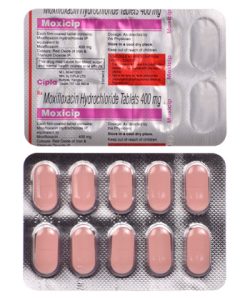
In brief
- Avelox (moxifloxacin) is available in pharmacies and from some online sellers in Australia; it is officially a prescription-only medicine (registered with the TGA), although some vendors may offer it without a prescription — this is not recommended and obtaining it without medical supervision can be unsafe.
- Avelox is used to treat a range of bacterial infections (community‑acquired pneumonia, acute bacterial sinusitis, exacerbations of chronic bronchitis, complicated skin/skin-structure and intra-abdominal infections, pelvic inflammatory disease and others). It is a fluoroquinolone antibiotic that works by inhibiting bacterial DNA gyrase and topoisomerase IV, preventing bacterial DNA replication.
- The usual adult dose is 400 mg once daily.
- Forms of administration include 400 mg film‑coated tablets taken orally and a 400 mg/250 mL intravenous infusion for hospital use.
- The antibacterial effect begins after the first dose; peak plasma concentrations occur around 1–3 hours, and many people notice clinical improvement within 48–72 hours of starting therapy.
- The elimination half-life is about 12 hours, supporting once‑daily dosing; the pharmacologic coverage from a dose generally lasts about 24 hours.
- Avoid excessive alcohol while taking Avelox — alcohol can worsen side effects such as dizziness and impair recovery; as a precaution, minimise alcohol intake during treatment and until you have recovered.
- The most common side effect is nausea (other frequent effects include diarrhoea, headache, dizziness and mild rash).
- Would you like to try avelox without a prescription?
Basic Avelox Information
- INN (International Nonproprietary Name): Moxifloxacin.
- Brand Names Available In Australia: Avelox — 400 mg film‑coated tablets and IV 400 mg/250 mL flexibags.
- ATC Code: J01MA14 (Systemic antibacterial, fluoroquinolone class).
- Forms & Dosages: Oral film‑coated tablets 400 mg in blister packs (commonly 5/7/10 tablets); IV solution/flexibag 400 mg/250 mL in 0.8% NaCl for infusion.
- Manufacturers In Australia: Originator Bayer AG (Germany); local licencees/distributors may vary.
- Registration Status In Australia: Registered with the TGA (Therapeutic Goods Administration).
- OTC / Rx Classification: Prescription only (Rx) in Australia.
Availability & Price Landscape
Many Australians first ask: where can I actually get Avelox and how much will it cost?
Major national pharmacy chains such as Chemist Warehouse, Priceline and TerryWhite commonly handle prescriptions and telehealth e‑scripts for antibiotics like Avelox.
Online pharmacy trends show more telehealth diagnosis and e‑prescription transfers to those chains or to local community pharmacies for collection or delivery.
Out‑of‑pocket price sensitivity is strong, so patients often compare chains and independent pharmacies before filling private scripts.
Rural patients report longer delivery times and occasional cold‑chain or stock delays for IV bags that hospitals supply directly.
Pharmacists frequently get price‑match requests and are asked about PBS subsidy options for specific indications.
Practical product details to include on a store page are pack sizes (5, 7, 10 tablets), IV flexibags for hospital use, and whether the script is PBS or private.
Remember that Avelox is TGA‑registered and prescription‑only, and the originator manufacturer is Bayer AG.
| Retailer | Pack Sizes | Typical Out‑Of‑Pocket Price | PBS Listing Status | Delivery Options |
|---|---|---|---|---|
| Chemist Warehouse | 5 / 7 / 10 tablets | Not specified | Varies by indication; often private script | In‑store / Click & Collect / Postal delivery |
| Priceline | 5 / 7 / 10 tablets | Not specified | Varies by indication; often private script | In‑store / Delivery |
| TerryWhite | 5 / 7 / 10 tablets; IV for hospitals | Not specified | Varies by indication | In‑store / Delivery / Hospital supply for IV |
Where to buy: community pharmacy counter, online pharmacy with e‑script transfer, or hospital pharmacy (for IV use).
Patient Insights & Satisfaction Levels
What do real patients say when they post reviews or join forums about Avelox?
Reviews on sites such as ProductReview and threads on Aussie health forums report quick symptom relief in some cases of pneumonia and skin infections.
Common concerns from users are nausea, gastrointestinal upset and more serious worries about tendon pain and neuropathy.
Rural patients often mention telehealth prescriptions followed by postal delays, and many say they rely heavily on pharmacist counselling on side effects and interactions.
Sentiment is mixed: positives focus on effectiveness for selected respiratory and complicated skin infections; negatives focus on safety and long‑term adverse events.
Practical user advice shared online includes asking for counselling on tendon risk, avoiding heavy exercise during treatment and monitoring for new numbness or weakness.
- Top Reported Benefits: Rapid symptom relief for some respiratory infections; single daily dosing; IV→oral switch option for hospital care.
- Top Reported Issues: Nausea, tendon pain, neuropathic symptoms, concern over cardiac effects, and delivery delays in rural areas.
| Complaint/Benefit | Frequency |
|---|---|
| Rapid symptom relief (respiratory) | Common |
| Nausea / diarrhoea | Common |
| Tendon pain / tendonitis | Less common but well‑reported |
| Peripheral neuropathy | Rare |
Pharmacist action: listen to the patient, document counselling, advise immediate cessation for tendon pain or new neurological symptoms, and report serious events to the TGA.
Product Overview & Brand Variants
Customers often recognise the brand name before the active ingredient.
Avelox is the commonly stocked brand in Australia and is the trade name most patients will see.
The International Nonproprietary Name (INN) is moxifloxacin and the ATC code is J01MA14.
The drug class is a systemic antibacterial in the fluoroquinolone family.
Available forms in Australia are film‑coated tablets 400 mg and IV flexibags 400 mg/250 mL in 0.8% NaCl for infusion.
The originator manufacturer is Bayer AG (Germany); local packaging and distributors may vary.
Avelox is TGA‑registered and prescription‑only in Australia.
| Specification | Detail |
|---|---|
| Formulation | Film‑coated tablet; IV solution |
| Strength | 400 mg tablet; 400 mg/250 mL IV |
| Route | Oral and Intravenous |
| Manufacturer | Bayer AG (originator) |
| Storage | Tablets 20–25°C; IV according to hospital protocols |
- INN
- Moxifloxacin.
- ATC
- J01MA14.
- Drug Class
- Systemic antibacterial, fluoroquinolone.
Indications In Local Medical Practice
Patients ask why a GP would choose Avelox over another antibiotic.
Australian prescribers typically reserve Avelox for specific bacterial pneumonia, complicated skin or intra‑abdominal infections, and other specialised indications.
Clinicians generally avoid routine use for uncomplicated bronchitis or sinusitis because of safety and stewardship concerns.
Adult dosing for most indications is 400 mg once daily with duration tailored to infection type.
Standard durations include 7–14 days for community‑acquired pneumonia, 7–10 days for sinusitis and 5 days for acute exacerbation of chronic bronchitis.
Complicated skin infections can require 7–21 days and certain intra‑abdominal infections 5–14 days.
Avelox is not recommended for children or adolescents under 18 years.
| Indication | Standard Dose | Typical Duration |
|---|---|---|
| Community‑acquired pneumonia | 400 mg once daily | 7–14 days |
| Acute bacterial sinusitis | 400 mg once daily | 7–10 days |
| Acute bacterial exacerbation of chronic bronchitis | 400 mg once daily | 5 days |
| Complicated skin infections | 400 mg once daily | 7–21 days |
Antibiotic stewardship note: use Avelox only when alternatives are unsuitable or when pathogen susceptibilities support fluoroquinolone use.
How It Works In The Body
People want a simple explanation: how does Avelox make an infection improve?
Avelox (moxifloxacin) kills susceptible bacteria by blocking enzymes they need to copy DNA, so the infection stops spreading and symptoms resolve.
Patients often notice improvement within 48–72 hours if the bug is sensitive and treatment is appropriate.
At a clinical level, moxifloxacin is a fluoroquinolone that inhibits DNA gyrase and topoisomerase IV, giving bactericidal activity against many Gram‑positive, Gram‑negative and anaerobic organisms.
The medicine has excellent oral bioavailability, which supports IV‑to‑oral switching during hospital care.
Key risks tied to the class include tendon disorders, peripheral neuropathy and QT prolongation, so monitoring and drug interaction checks matter.
- Mechanism
- Inhibits DNA gyrase and topoisomerase IV (bactericidal).
- Spectrum
- Broad respiratory and some anaerobic coverage; stronger anaerobic and Gram‑positive activity versus some other quinolones.
- Key Risks
- Tendon effects, peripheral neuropathy, QT prolongation.
IV→oral switch: because oral absorption is good, patients can often move from 400 mg IV infusion to a 400 mg oral tablet when clinically appropriate.
Dosage & Administration
Patients commonly ask what to do if they miss a dose or whether to take tablets with food.
Standard adult dosing for most approved indications is 400 mg once daily, usually as one tablet taken whole with a full glass of water.
Tablets may be taken with or without food.
For IV administration, a common preparation is 400 mg in 250 mL 0.8% NaCl infused per hospital protocol.
No routine dose adjustment is required for renal or hepatic impairment according to the product information, but monitor the elderly closely for adverse effects.
Children and adolescents under 18 are not recommended to receive moxifloxacin.
If a dose is missed, take it as soon as remembered unless near the time for the next dose; do not double up.
| Indication | Dose | Typical Duration |
|---|---|---|
| Community‑acquired pneumonia | 400 mg once daily | 7–14 days |
| ABECB | 400 mg once daily | 5 days |
| Complicated skin infection | 400 mg once daily | 7–21 days |
- Administration tips: swallow whole with water.
- IV‑to‑oral switch: usually 400 mg IV → 400 mg oral once daily when stable.
Contraindications & Side Effects
Many patients worry about tendon pain and long‑term nerve damage when they read the leaflet.
Absolute contraindications include known hypersensitivity to moxifloxacin or other quinolones, previous quinolone‑related tendon disorders, and a history of myasthenia gravis.
Common side effects are nausea, diarrhoea, headache, dizziness and mild rash.
Serious but rare adverse effects include tendonitis and tendon rupture, peripheral neuropathy, severe central nervous system effects, QT prolongation and hepatic enzyme abnormalities.
Avelox carries safety warnings for tendon and nerve injury and may exacerbate myasthenia gravis.
| Common | Serious / Rare |
|---|---|
| Nausea, diarrhoea, headache, dizziness, mild rash | Tendon rupture, peripheral neuropathy, severe CNS effects, QT prolongation, liver injury |
Action steps: stop the medicine and seek urgent medical review for sudden tendon pain, new weakness or numbness, jaundice, severe rash or palpitations.
Report serious adverse events to the TGA so regulators and clinicians can track safety signals.
Comparable Medicines
When pharmacists discuss choices, common alternatives are levofloxacin and ciprofloxacin.
Each fluoroquinolone differs by spectrum, clinical niche and safety profile.
| Agent | Typical Indications | Routes | PBS/Cost | Safety Notes |
|---|---|---|---|---|
| Avelox (Moxifloxacin 400 mg) | Respiratory, complicated skin, intra‑abdominal | Oral / IV | Varies; often private script | Stronger anaerobic and Gram‑positive coverage; QT and tendon risks |
| Levofloxacin | Respiratory, some urinary infections | Oral / IV | Varies; may be on PBS for some uses | Good Gram‑negative coverage; tendon and QT risks |
| Ciprofloxacin | Urinary, some Gram‑negative infections | Oral / IV | Varies | Favours Gram‑negative organisms; tendon risk |
- Avelox: pros — broad anaerobic and Gram‑positive activity; cons — stewardship concerns and safety warnings.
- Levofloxacin: pros — established respiratory choice; cons — similar class risks.
- Ciprofloxacin: pros — strong Gram‑negative activity; cons — less reliable for anaerobes and some Gram‑positives.
Current Research & Trends
Trends in Australia and internationally show more conservative use of fluoroquinolones in primary care.
Prescribing for uncomplicated respiratory infections has declined because of safety advisories and antimicrobial stewardship programs.
Surveillance data indicate variable fluoroquinolone susceptibility among respiratory pathogens, reinforcing the need for targeted use.
Recent research (2022–2025) emphasises risk–benefit assessments for tendonopathy, peripheral neuropathy and QT prolongation with these agents.
Pharmacovigilance and limiting use in primary care remain clear recommendations in clinician guidance.
- Study: Antimicrobial resistance surveillance reports (2022–2025) — variable susceptibility patterns, keep local data in mind.
- Study: Safety reviews of fluoroquinolones (2023–2025) — reinforced long‑term nerve and tendon risks and the need for restricted use.
- Study: Stewardship impact analyses (2022–2024) — reduced fluoroquinolone prescribing in community settings.
Stewardship callout: reserve Avelox when alternatives are unsuitable and document rationale on the patient record.
Common Patient Questions
Below are concise answers to the frequent questions pharmacists hear about Avelox.
Can I drive or drink alcohol while taking Avelox?
If you feel dizzy or lightheaded, avoid driving; moderate alcohol is not specifically contraindicated but is best avoided while unwell.
Is Avelox safe in pregnancy or breastfeeding?
Discuss with the prescriber — moxifloxacin is generally avoided in pregnancy and breastfeeding unless no alternatives exist and specialist advice is given.
Can children take Avelox?
No, Avelox is not recommended for children or adolescents under 18 years due to musculoskeletal risks.
What interactions should I know about?
Avoid taking antacids, iron or other multivalent cations at the same time; separate by several hours.
What if I get tendon pain?
Stop the medicine immediately and seek urgent medical advice; do not continue while waiting for review.
Contact the pharmacy or prescriber if uncertain about any of these points.
Regulatory Status
Patients expect clear regulatory information when viewing a product page.
Avelox (moxifloxacin) is registered with the TGA in Australia and is prescription‑only (Rx).
The originator manufacturer listed is Bayer AG (Germany).
PBS subsidy may vary by indication and many specialist uses may not attract a full PBS listing, so private scripts can incur out‑of‑pocket costs.
To check PBS status, pharmacists recommend using the PBS schedule lookup and verifying patient concession entitlements.
| Regulatory Fact | Detail |
|---|---|
| TGA Status | Registered |
| Prescription Class | Rx (Prescription only) |
| PBS Status | Varies by indication; may not be broadly listed |
| Originator | Bayer AG |
Checklist to obtain: GP or telehealth e‑prescription, community pharmacy supply, or hospital pharmacy for IV formulations.
Visual Recommendations
Visuals help customers compare price, availability and safety at a glance.
Suggested infographic: PBS versus private cost flow showing when PBS applies and likely out‑of‑pocket scenarios.
Suggested map: national pharmacy network logos with delivery icons for Chemist Warehouse, Priceline and TerryWhite.
Suggested table graphic: a clear tablet versus IV comparison (route, setting, typical durations).
Suggested safety callout card: red/yellow/green triage for side‑effects with clear “stop and seek help” wording.
Suggested timeline: expected symptom improvement (24–72 hours) and monitoring windows for tendon/neuropathy during and for several months after therapy.
Include accessible alt text for every visual and provide a printable PDF counselling sheet for pharmacist use.
Buying & Storage Advice
Patients balancing price and immediacy often ask whether to buy in‑store or online.
Verify the prescription, request pharmacist counselling at collection, and compare prices between chains and independents for private scripts.
Telehealth e‑prescriptions are increasingly used; pharmacies will often accept an e‑script transfer from a telehealth provider.
For IV flexibags, hospitals usually handle procurement and storage rather than community pharmacies.
Storage guidance: tablets should be stored at 20–25°C and may be exposed to 15–30°C during transport; keep tablets dry and protected from light.
Avoid storing tablets in hot, humid places such as bathrooms or cars during Australian summer conditions.
IV bags should follow hospital storage protocols and must not be frozen.
Packing and transport note for rural deliveries: expect slightly longer transit times and check packaging for heat protection in summer.
In our online pharmacy, avelox is available without a prescription, with discreet delivery to Australia in 9-21 days.
Guidelines For Proper Use
Pharmacists are key to ensuring safe, effective use of Avelox.
Confirm the indication and intended duration before supply and review the patient’s history for tendon disorders, myasthenia gravis and other contraindications.
Check concurrent medicines for QT‑prolonging agents and for interactions with antacids, iron or multivalent cations.
Advise patients to complete the full course and not to double doses if a dose is missed.
Emphasise stopping the drug and seeking urgent medical review for sudden tendon pain, new numbness or weakness, severe rash, jaundice or palpitations.
Recommend avoiding heavy physical exercise during treatment and for several weeks afterwards as a precaution against tendon injury.
Document counselling in the pharmacy record and provide a patient safety card summarising key warnings and when to seek help.
- Patient checklist: take whole with water, separate antacids/iron by 4+ hours, complete course, report severe side effects to the TGA.
- Pharmacist checklist: verify Rx, review contraindications, counsel on tendon/neuropathy and interactions, and record advice.
Delivery Across Australia
| City | Region | Delivery Time |
|---|---|---|
| Sydney | New South Wales | 9-14 days |
| Melbourne | Victoria | 9-14 days |
| Brisbane | Queensland | 9-14 days |
| Perth | Western Australia | 9-14 days |
| Adelaide | South Australia | 9-14 days |
| Canberra | Australian Capital Territory | 9-14 days |
| Hobart | Tasmania | 9-14 days |
| Darwin | Northern Territory | 9-14 days |
| Gold Coast | Queensland | 9-14 days |
| Newcastle | New South Wales | 9-14 days |
| Wollongong | New South Wales | 14-21 days |
| Sunshine Coast | Queensland | 14-21 days |
| Geelong | Victoria | 14-21 days |
| Townsville | Queensland | 14-21 days |