Amiloride
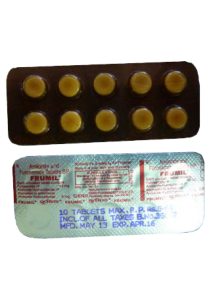
In brief
- Available from pharmacies in many countries (Australia: marketed as Midamor by Aspen), but it is generally a prescription-only medicine (S4/POM/Rx) — in practice some pharmacies may dispense without a prescription, so local availability and rules vary; check with your pharmacist.
- Amiloride is used for oedema, hypertension and to help manage fluid balance in congestive heart failure; it is a potassium-sparing diuretic that blocks epithelial sodium channels (ENaC) in the distal tubule and collecting duct, reducing sodium reabsorption and preventing potassium loss.
- Typical adult dosing: start 5–10 mg once daily; maintenance commonly 5–20 mg/day in one or divided doses (do not exceed 20 mg/day); when combined with a thiazide diuretic, amiloride is often started at 5 mg.
- Oral administration as tablets (most commonly 5 mg; some products 10 mg and fixed-dose combinations with thiazides are available).
- The diuretic effect usually begins within about 2–4 hours after an oral dose, with effects becoming apparent over the first few hours.
- Duration of action is approximately 24 hours from a single dose; dosing is usually once daily but may be divided depending on clinical need.
- Avoid excessive alcohol while taking amiloride; alcohol can worsen dizziness, low blood pressure and dehydration and may increase the risk of side effects.
- The most common and clinically important side effect is hyperkalaemia; other frequent effects include nausea, vomiting, diarrhoea, headache, dizziness, muscle cramps and fatigue — regular monitoring of serum potassium and renal function is required.
- Would you like to try “amiloride” without a prescription?
Basic Amiloride Information
- INN (International Nonproprietary Name): Amiloride.
- Brand Names Available In Australia: Midamor (amiloride 5 mg tablets) marketed by Aspen Pharmacare.
- ATC Code: C03DB01 — Potassium‑sparing diuretics, plain.
- Forms & Dosages: Tablets are the most common form, typically 5 mg strength; some international markets offer 10 mg tablets. Combination products pairing amiloride with thiazide diuretics (for example hydrochlorothiazide/amiloride) are available in various countries.
- Manufacturers In Australia: Aspen Pharmacare (Midamor).
- Registration Status In Australia: Midamor is authorised by the TGA and available as a prescription medicine.
- OTC / Rx Classification: Prescription only — S4 under Australian regulation.
Availability & Price Landscape
National Pharmacy Chains (Chemist Warehouse, Priceline, TerryWhite)
Worried about finding Midamor on the shelf?
Major national chains such as Chemist Warehouse, Priceline and TerryWhite Chemmart commonly stock Midamor 5 mg tablets in 30‑ or 50‑tablet packs.
Discount chains like Chemist Warehouse often offer lower private prices but may have limited PBS listings for standalone amiloride products.
Independent community pharmacies may hold small stocks and sometimes match prices for loyalty customers.
Online Pharmacy Trends In Australia
Concerned about access from a regional town?
Online pharmacies now provide home delivery, repeat dispensing and telehealth-linked e‑prescription services that make access easier for rural patients.
Always confirm the supplier is TGA‑approved when ordering online and check batch/manufacturer details for imported generics.
Price Ranges By Package Size (PBS Vs Private)
Trying to budget for monthly medicine costs?
Amiloride/Midamor is generally not listed as a standalone PBS item, so expect private script pricing unless combined with a subsidised thiazide product under specific criteria.
Private prices typically vary by pack size (30–50 tablets) and by retailer; discount pharmacies commonly undercut independents.
| Outlet Type | Typical Pack Sizes | Price Range (Private, Indicative) |
|---|---|---|
| Chemist Warehouse (discount) | 30, 50 tablets | Lower private price vs independents |
| Priceline / TerryWhite | 30, 50 tablets | Mid-range private price |
| Independent Pharmacy | 30 tablets (may vary) | Often higher than discount chains |
| Online Pharmacy (TGA‑approved) | 30, 50 tablets; repeat dispense | Competitive with store prices; delivery fee may apply |
- Access tips: get an e‑prescription via telehealth if remote, ask the pharmacist to check PBS eligibility if combined therapy is planned, and compare private pack prices across national chains and reputable online pharmacies before purchase.
Patient Insights & Satisfaction Levels
Forum Reviews (ProductReview, Aussie Health Forums)
What do Australians say when they ask “Does it work?”
Online reviews on ProductReview and local health forums often describe relief from fluid retention and improved control when amiloride is used with a thiazide diuretic.
Many posts highlight positive pharmacist counselling as a key factor in satisfaction.
Reported Benefits And Issues From Australian Patients
Which side effects make people stop treatment?
Reported benefits include reduced ankles/legs swelling and stabilised potassium compared with thiazide monotherapy.
Common concerns are dizziness and symptoms suggestive of raised potassium (muscle weakness, palpitations), plus confusion about whether to keep taking potassium supplements or salt substitutes.
- Pros reported by patients: effective for fluid retention, helps prevent thiazide‑related low potassium.
- Cons reported by patients: worry about hyperkalaemia, dizziness, and occasional supply delays in rural areas.
- Key driver of persistence: clear baseline tests and follow‑up monitoring arranged by pharmacists or GPs.
Product Overview & Brand Variants
INN And Brand Names In Australia
Which name will be on your label?
The INN is amiloride and the local marketed product is Midamor (amiloride 5 mg tablets) supplied by Aspen Pharmacare.
Imported generics from manufacturers such as Teva or Sandoz may appear from time to time but the primary local brand is Midamor.
Legal Classification (TGA‑Approved)
Do you need a prescription?
Amiloride/Midamor is TGA‑authorised and is a prescription‑only medicine (S4).
Dispensing requires an authorised prescription and appropriate clinical documentation.
- INN: Amiloride.
- ATC: C03DB01.
- Local Brand: Midamor (Aspen Pharmacare).
Indications In Local Medical Practice
Approved Uses By TGA
Why might a clinician choose amiloride?
TGA‑approved indications include treatment of oedema and adjunctive use in hypertension and heart failure, particularly to reduce the hypokalaemic effects of thiazide diuretics.
Prescribers commonly use it to manage or prevent low potassium when other diuretics are required.
Off‑Label Patterns In Australian Clinics
Are there uses beyond the label in the clinic?
Off‑label use in Australia can include low‑dose adjunct therapy in chronic heart failure or targeted prevention of refractory hypokalaemia under specialist guidance.
Primary care prescribers often reserve amiloride for patients at particular risk of potassium loss or for those who cannot tolerate aldosterone antagonists.
| Indication | Common Regimen | Monitoring Triggers |
|---|---|---|
| Edema / Fluid Retention | Amiloride 5–10 mg daily; titrate as needed | Rapid weight change, rising creatinine, symptoms of hyperkalaemia |
| Adjunct In Hypertension | Amiloride 5 mg with thiazide (e.g., 50 mg hydrochlorothiazide) | Baseline K+ and renal function; repeat at 1–2 weeks |
| Heart Failure (adjunct) | 5–20 mg/day in divided doses; specialist advised | More frequent monitoring; liaise with cardiology for dose changes |
How It Works In The Body
Layman’s Explanation
How does amiloride stop potassium loss?
Amiloride blocks tiny sodium channels called ENaC in the kidney so less sodium is reabsorbed and less potassium is lost in the urine.
The main clinical benefit is sparing potassium rather than producing strong fluid loss like loop diuretics.
Clinical Detail
What’s happening at the cellular level?
Amiloride acts on principal cells in the distal tubule and collecting duct by inhibiting epithelial sodium channels (ENaC), which reduces the lumen‑negative potential and lowers potassium secretion.
Onset is oral and modest compared with loop or thiazide diuretics, making it particularly useful to maintain potassium balance.
Combined use with ACE inhibitors, ARBs or potassium supplements increases hyperkalaemia risk, so serum potassium and renal function must be monitored.
Infographic Concept: ENaC Blockade → Reduced Sodium Reabsorption → Potassium Sparing.
Dosage & Administration
Standard Regimens
What dose will most people start on?
Typical adult initiation is 5 mg once daily with the option to increase to 10–20 mg/day in divided doses for oedema or congestive heart failure, not exceeding 20 mg/day.
Combination therapy commonly pairs 5 mg amiloride with 50 mg hydrochlorothiazide.
Adjustments By Patient Type (Elderly, Chronic Conditions)
How are doses changed for older patients?
In elderly patients or those with renal impairment start at 5 mg and monitor closely for hyperkalaemia and rising creatinine.
Pediatric use is not routinely recommended and should be guided by a specialist if ever considered.
| Patient Group | Typical Starting Dose | Monitoring Checklist |
|---|---|---|
| Adult (general) | 5 mg once daily | Baseline K+, creatinine; repeat 1–2 weeks |
| Elderly | 5 mg once daily (cautious) | Renal function, K+ at baseline and early follow‑up |
| Renal Impairment | Use minimal dose or avoid if severe | Frequent K+ and creatinine checks; contraindicated in anuria |
- Monitoring schedule checklist: baseline renal panel and electrolytes; check at 1–2 weeks after start or dose change; then periodically as clinically indicated.
Contraindications & Side Effects
Common
Who must not take amiloride?
Absolute contraindications include known hypersensitivity to amiloride, anuria, acute or chronic severe renal impairment, Addison’s disease and baseline hyperkalaemia (>5.5 mmol/L).
Common adverse effects include hyperkalaemia, nausea, vomiting, diarrhoea, headache, dizziness, muscle cramps and fatigue.
Rare But Serious (Australian Safety Data)
What should trigger urgent action?
Serious but uncommon outcomes include life‑threatening hyperkalaemia with arrhythmia, severe allergic reactions and metabolic acidosis.
Australian pharmacovigilance highlights reports of hyperkalaemia especially when amiloride is combined with ACE inhibitors, ARBs or potassium supplements.
Educate patients to seek urgent care for muscle weakness, palpitations or sudden severe dizziness.
- Contraindications: hypersensitivity, anuria, severe renal impairment, Addison’s disease, baseline K+ >5.5 mmol/L.
- Hyperkalaemia Action Plan: stop amiloride if severe symptoms occur and arrange immediate blood tests and emergency care.
Comparable Medicines
Alternatives Table (PBS And Non‑PBS)
| Drug | Mechanism | PBS Status (Australia) | Pros / Cons |
|---|---|---|---|
| Triamterene | ENaC blocker (potassium‑sparing) | Typically private / varies | Pros: potassium sparing; Cons: similar hyperkalaemia risk |
| Spironolactone | Aldosterone antagonist | May be PBS subsidised for specific indications | Pros: stronger for heart failure; Cons: endocrine side effects, hyperkalaemia risk |
| Thiazide / Loop Diuretics | Increase natriuresis via different sites | Many are PBS listed | Pros: effective diuresis; Cons: risk of hypokalaemia without potassium‑sparing agent |
Pros And Cons List
- Pros: Effective potassium sparing when used with thiazides; useful for patients at risk of hypokalaemia.
- Cons: Weaker diuretic effect compared with loop or thiazide alone; risk of hyperkalaemia; limited standalone PBS coverage in Australia.
Current Research & Trends
Major Studies 2022–2025 (Australia + International)
What are researchers focusing on now?
Recent literature through 2022–2025 has emphasised safe potassium‑sparing strategies in heart failure and antihypertensive guidelines, plus monitoring protocols when combining potassium‑sparing agents with RAAS inhibitors.
Head‑to‑head trials comparing ENaC blockers with aldosterone antagonists remain limited, with much evidence observational or pharmacoepidemiological looking at hyperkalaemia and hospitalisation rates.
Australian trends include greater telehealth prescribing and evaluation of low‑dose combinations to balance efficacy and cost.
Ongoing studies are assessing outpatient monitoring pathways to safely use potassium‑sparing diuretics in primary care settings.
Common Patient Questions
FAQs From Australian Pharmacy Consultations
Patients often ask “Will I need blood tests?” and “Can I take a salt substitute?”
- Will I need blood tests? Yes — baseline and early follow‑up at 1–2 weeks, then periodic renal and potassium checks.
- Can I take potassium supplements or salt substitutes? Avoid without clinician advice because of hyperkalaemia risk.
- Is it covered by PBS? Usually private for standalone amiloride; check with the pharmacist for combination product subsidisation.
- What if I miss a dose? Take as soon as remembered unless it is close to the next dose; do not double up.
- Can I drive? Dizziness can occur; avoid driving until effects are known.
Downloadable checklist: baseline blood tests, repeat test at 1–2 weeks, list of interacting medicines to bring to pharmacy consultations.
Regulatory Status
TGA Approval
Can a pharmacy legally sell Midamor?
Midamor (amiloride 5 mg tablets) is authorised and marketed in Australia by Aspen Pharmacare and is a prescription‑only S4 medicine under the TGA.
PBS Subsidy Details
Is there financial help from the PBS?
Standalone Midamor is generally not listed on the PBS; subsidisation may occur when amiloride is part of an approved combination product or under specific clinical criteria.
Pharmacists should verify authority requirements and concession eligibility at the point of dispensing and check the current PBS schedule for updates.
| TGA Approval | S4 Status | PBS Notes |
|---|---|---|
| Midamor approved and available | Prescription only (S4) | Standalone listing generally not on PBS; check for combination product listings or authority items |
Visual Recommendations
Infographics: PBS Pricing, Pharmacy Networks
What visuals help patients decide?
Suggested product page visuals: a pricing matrix comparing private pack prices across Chemist Warehouse, Priceline and independents, a flowchart for initiation and monitoring (baseline tests → start 5 mg → check at 1–2 weeks → ongoing monitoring), and an interaction map highlighting ACE inhibitors, ARBs and potassium supplements as high‑risk combinations.
Include clear icons for rural vs urban access and telehealth options, a product image of Midamor blister packaging, and a compact contraindication badge for quick patient recognition.
Buying & Storage Advice
In‑Store Vs Online Purchase Tips In Australia
How should Australians buy Midamor safely?
Obtain a valid prescription and compare private prices across Chemist Warehouse, Priceline and TerryWhite Chemmart and reputable online pharmacies.
Prefer TGA‑registered suppliers and confirm batch and manufacturer details for any imported generics.
For rural patients, use repeat dispensing or delivery options to avoid stockouts.
Note: In our online pharmacy, amiloride is available without a prescription, with discreet delivery to Australia in 9–21 days.
Storage In Australian Household Conditions (Heat/Humidity)
Can it stand the summer heat?
Store amiloride at 20–25°C, protected from moisture and light and avoid storing in bathrooms or cars where heat and humidity can degrade tablets.
Keep tablets in their original packaging and out of reach of children and pets, and return expired tablets to a pharmacy for safe disposal.
| Do | Don’t |
|---|---|
| Store at 20–25°C in a dry place | Keep in bathrooms, glove compartments or cars |
| Keep in original blister pack | Transfer tablets into unlabeled containers |
Guidelines For Proper Use
Pharmacist Guidance In Australia
What should the pharmacist check before dispensing?
Confirm the indication, review baseline renal function and potassium, check for ACE inhibitors/ARBs/NSAIDs/potassium supplements and counsel patients on hyperkalaemia signs and when to seek urgent care.
Document recent laboratory results before repeat dispensing and liaise with the prescriber if labs are overdue.
Patient Safety Recommendations
How can patients use amiloride safely at home?
Explain dosing (start 5 mg), the monitoring timetable (baseline and 1–2 weeks after initiation or dose change), and the need to avoid salt substitutes without clinical advice.
Provide a one‑page monitoring plan and a brief counselling script listing key interactions and symptoms that require urgent attention.
- Pharmacist counselling script: confirm indication, check medications, advise baseline tests, set 1–2 week blood test reminder, warn about potassium supplements and driving if dizzy.
Delivery Across Australia
| City | Region | Delivery time |
|---|---|---|
| Sydney | New South Wales | 9-14 days |
| Melbourne | Victoria | 9-14 days |
| Brisbane | Queensland | 9-14 days |
| Perth | Western Australia | 9-14 days |
| Adelaide | South Australia | 9-14 days |
| Canberra | Australian Capital Territory | 9-14 days |
| Hobart | Tasmania | 9-14 days |
| Darwin | Northern Territory | 9-14 days |
| Gold Coast | Queensland | 9-14 days |
| Newcastle | New South Wales | 9-14 days |
| Wollongong | New South Wales | 9-14 days |
| Sunshine Coast | Queensland | 14-21 days |
| Geelong | Victoria | 14-21 days |
| Townsville | Queensland | 14-21 days |
| Cairns | Queensland | 14-21 days |
Final Notes For Patients
Quick Reminders From The Pharmacist
Keep follow‑up blood tests and carry a current medication list to all consultations.
Avoid potassium supplements or salt substitutes unless explicitly advised by the prescriber.
Report unusual muscle weakness, palpitations or severe dizziness immediately.
When To Contact A Clinician
Contact the prescriber or present to emergency care if severe hyperkalaemia symptoms occur or if vomiting/diarrhoea lead to inability to take oral medicines.
For routine concerns such as supply or dose clarifications contact the dispensing pharmacist who can liaise with the prescriber for authority items or repeat prescriptions.