
Women's Health
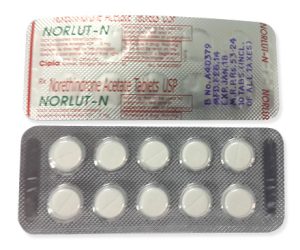
Primolut N
from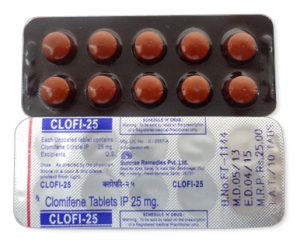
Clomid
from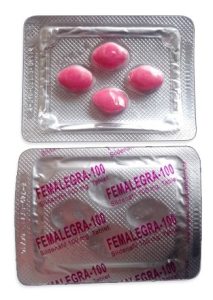
Female Viagra
from
Provera
from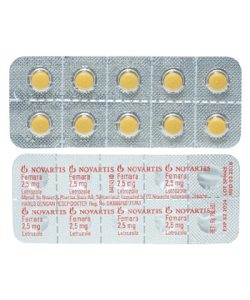
Femara
from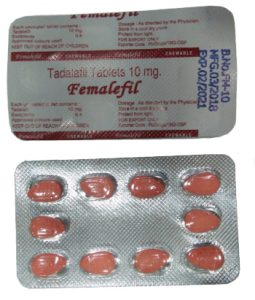
Female Cialis
from
Ponstan
from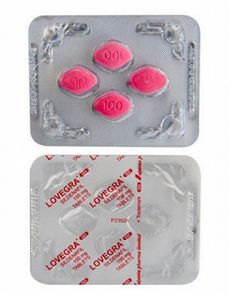
Lovegra
from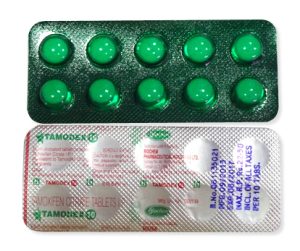
Genox
from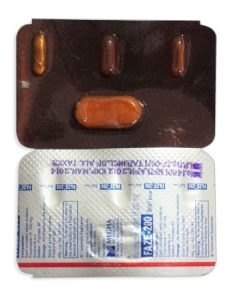
Diflucan
from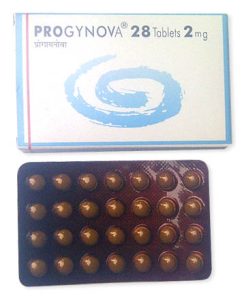
Estalis Sequi
from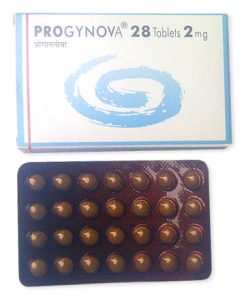
Estradiol
from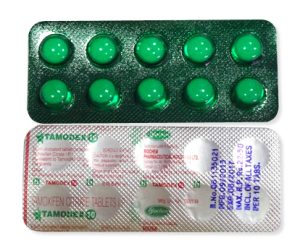
Tamoxifen
from
Cycrin
from
Serophene
from
Clomiphene
fromContraception & Birth Control
Contraception plays a vital role in women’s reproductive health and family planning. Whether you’re looking to prevent pregnancy, manage your menstrual cycle, or address hormonal concerns, there are numerous safe and effective options available in Australia.
Oral Contraceptives (The Pill)
Oral contraceptives remain one of the most popular forms of birth control in Australia. These medications contain hormones that prevent ovulation and thicken cervical mucus to prevent sperm from reaching the egg. Common brands available include Yasmin, Diane-35, and Microgynon. The pill is highly effective when taken consistently and offers additional benefits such as lighter periods and reduced menstrual cramps. Most women take one tablet daily for 21 days, followed by a 7-day break.
Long-Acting Reversible Contraceptives
Intrauterine devices (IUDs) and implants offer longer-term contraceptive solutions. The Mirena IUD releases hormones directly into the uterus and can last up to five years, whilst copper IUDs like the Paragard provide non-hormonal protection for up to ten years. Contraceptive implants such as Nexplanon are small rods inserted under the arm that release hormones for three years.
Barrier Methods
Condoms, diaphragms, and cervical caps provide protection against pregnancy and sexually transmitted infections. These methods are available without prescription and offer immediate protection.
Menstrual Health & Period Management
Managing your menstrual cycle is essential for overall wellbeing. Many women experience irregular periods, heavy bleeding, or severe cramping that can impact daily life. Modern treatments can help regulate your cycle and reduce uncomfortable symptoms.
Heavy Menstrual Bleeding
Excessive bleeding during menstruation affects many Australian women. Medications like tranexamic acid reduce bleeding by up to 30-40% without affecting fertility. Mefenamic acid and ibuprofen help manage pain whilst reducing flow. For more persistent cases, hormonal options like the Mirena IUD provide significant relief and can reduce bleeding by up to 90%.
Period Pain Relief
Dysmenorrhea, or period pain, can range from mild discomfort to debilitating cramps. Non-steroidal anti-inflammatory drugs (NSAIDs) such as naproxen sodium and ibuprofen are effective first-line treatments. Paracetamol offers an alternative for those who cannot tolerate NSAIDs. Heat therapy combined with medication often provides the best results.
Irregular Periods
Irregular menstrual cycles can be caused by various factors including stress, weight changes, or underlying hormonal conditions. The oral contraceptive pill helps regulate cycles by providing consistent hormone levels. Conditions like polycystic ovary syndrome (PCOS) may require specific management approaches.
Hormonal Health & Menopause
Hormonal changes are a natural part of women’s lives, particularly during menopause. Understanding these changes and available treatments can help maintain quality of life during this significant transition.
Menopausal Symptoms
Menopause typically occurs between ages 45-55 and brings significant hormonal shifts. Common symptoms include hot flushes, night sweats, mood changes, and sleep disturbances. Hormone replacement therapy (HRT) remains a popular treatment option for moderate to severe symptoms. Australian brands include Estraderm patches and Progynova tablets.
Hot Flushes & Night Sweats
These vasomotor symptoms affect approximately 70% of menopausal women. Hormone replacement therapy effectively reduces their frequency and severity. Non-hormonal options include selective serotonin reuptake inhibitors (SSRIs) like fluoxetine or paroxetine, which can reduce hot flushes by 30-60%. Lifestyle modifications including regular exercise, adequate hydration, and avoiding triggers also help significantly.
Bone Health
Declining oestrogen levels during menopause increase osteoporosis risk. Calcium and vitamin D supplementation support bone strength. Medications like alendronate (Fosomax) or raloxifene help maintain bone density. Regular weight-bearing exercise and adequate nutrition remain fundamental preventive measures.
Gynaecological Conditions & Treatment
Various gynaecological conditions affect women’s health and require appropriate management. Many conditions have effective treatment options available in Australia.
Endometriosis
Endometriosis occurs when tissue similar to the uterine lining grows outside the uterus, causing pain and potentially affecting fertility. Pain management typically begins with NSAIDs such as naproxen or ibuprofen. Hormonal treatments including oral contraceptives, the Mirena IUD, or gonadotropin-releasing hormone (GnRH) agonists provide longer-term relief. Surgical options are available for severe cases.
Polycystic Ovary Syndrome (PCOS)
PCOS affects up to 12% of reproductive-age women and causes irregular periods, excess androgen symptoms, and fertility challenges. Metformin helps improve insulin sensitivity and regulate cycles. Combined oral contraceptives manage hormonal symptoms and regulate menstruation. Anti-androgen medications like spironolactone address excess hair growth and acne.
Vaginal Health
Vaginal dryness, infections, and irritation are common concerns. Topical oestrogen treatments like Vagifem pessaries restore vaginal health, particularly post-menopause. Antifungal treatments address yeast infections, whilst antibiotics manage bacterial infections. Probiotic products support healthy vaginal flora.
Fertility & Reproductive Support
Women planning pregnancy benefit from evidence-based support and supplementation. Several options help optimise reproductive health.
Preconception Health
Folic acid supplementation reduces the risk of neural tube defects and should begin before conception. Most Australian prenatal vitamins contain 400 micrograms of folic acid. Additional nutrients including iodine, iron, and vitamin D support fertility and healthy pregnancy development.
Fertility Medications
For women with ovulation difficulties, medications like clomiphene citrate help stimulate egg production. Letrozole provides an alternative for those who don’t respond to clomiphene. Gonadotropins are administered by injection for more intensive fertility treatment. These medications are typically prescribed through fertility specialists.
Miscarriage Prevention
Women with recurrent miscarriages may benefit from progesterone supplementation during early pregnancy. Aspirin may help certain women with clotting disorders. Individualised medical care following proper investigation is essential for managing recurrent pregnancy loss.
Women’s Wellness & Preventive Health
Preventive health measures help maintain wellbeing throughout different life stages. Regular health checks, appropriate screening, and lifestyle factors support long-term health.
Nutritional Support
Women’s nutritional needs vary throughout life stages. Iron supplements address anaemia and support energy levels, particularly important for women with heavy periods. Calcium and vitamin D maintain bone health. B vitamins, particularly B6 and B12, support energy and mood. Omega-3 supplements from fish oil or plant sources promote cardiovascular and mental health.
Mental Health & Mood
Hormonal fluctuations throughout the menstrual cycle, pregnancy, and menopause can significantly affect mood. Selective serotonin reuptake inhibitors (SSRIs) effectively manage premenstrual dysphoric disorder (PMDD) and menopausal mood changes. Regular exercise, adequate sleep, and stress management techniques provide additional support. Counselling and psychological therapies remain valuable complementary approaches.
General Wellbeing
Maintaining overall wellbeing requires a holistic approach to health and self-care. Key areas to focus on include:
- Regular physical activity supporting cardiovascular health, bone density, and mental wellbeing
- Adequate sleep improving immune function and mood regulation
- Stress management techniques including meditation, yoga, or mindfulness
- Regular health screening appointments, including cervical cancer screening and breast examination
- Blood pressure monitoring and preventive health checks throughout all life stages
By prioritising preventive health and understanding the treatment options available, Australian women can make informed decisions about their healthcare and maintain optimal wellness throughout every stage of life.