Ponstan
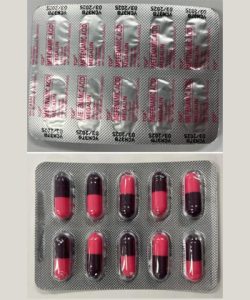
In brief
- In many countries Ponstan (mefenamic acid) is normally prescription-only, but availability varies by jurisdiction and in some community pharmacies it may be sold without a prescription/receipt; check your local pharmacy or national regulations.
- Ponstan is used for short-term relief of acute mild-to-moderate pain and primary dysmenorrhoea; it is a non-steroidal anti-inflammatory drug (a fenamate) that works mainly by inhibiting cyclo-oxygenase enzymes and reducing prostaglandin synthesis.
- Usual adult dose: 500 mg as an initial dose, then 250 mg every 6 hours as needed for pain (follow local product labelling or prescriber advice); treatment is generally short term (acute pain up to 1 week, dysmenorrhoea typically 2–3 days per menstrual period).
- Oral administration — available as capsules or tablets (commonly 250 mg, some markets 500 mg) and as an oral suspension formulation for children in select regions.
- Onset of effect is typically within about 30–60 minutes.
- Duration of analgesic action is approximately 4–6 hours, which is why dosing is commonly every 6 hours as needed.
- Avoid or limit alcohol while taking Ponstan — alcohol increases the risk of gastrointestinal irritation, bleeding and can worsen drowsiness or dizziness.
- The most common side effect is stomach pain/dyspepsia (other frequent effects include nausea, diarrhoea, headache, dizziness and skin rash).
- Would you like to try ponstan without a prescription?
Availability & Price Landscape
Basic Ponstan Information
- INN (International Nonproprietary Name): Mefenamic acid
- Brand Names Available In Australia: not specified
- ATC Code: M01AG01
- Forms & Dosages: Capsules 250 mg; Tablets 250 mg and 500 mg; Oral suspension 50 mg/5 ml and 100 mg/5 ml (Asia)
- Manufacturers In Australia: not specified
- Registration Status In Australia: not specified
- OTC / Rx Classification: Prescription-only (Rx) in most jurisdictions
Worried about finding ponstan or generic mefenamic acid locally and how much it will cost?
Mefenamic acid and Ponstan-brand products are prescription medicines in most markets, and Australian availability is concentrated in community pharmacies and online prescription services.
Large national chains like Chemist Warehouse, Priceline and TerryWhite Chemmart commonly dispense generic mefenamic acid sourced from local wholesalers or imports, so stock and brand (for example imported “Ponstan” or generics) vary between stores.
Telehealth-linked e‑prescriptions have made remote access easier, with patients able to request a script from a GP e‑consult and nominate a pharmacy for collection or national online dispensary delivery.
Rural customers often use telehealth and online pharmacy services when local stock is limited, especially for period pain when timely access matters.
Price sensitivity is high across Australia, and discount chains may import cheaper generics from India or Asia while smaller suburban pharmacies may add higher dispensing fees.
PBS listing for mefenamic acid is inconsistent, so where not listed expect private script pricing and variable pack sizes—250 mg capsules are common.
Note summer shipping risks: avoid leaving parcels in hot cars during transport to reduce exposure to heat and humidity.
Buying tip: compare total cost (medicine + dispensing fee + shipping) between national chains and independents before ordering.
Patient Insights & Satisfaction Levels
Do Australians find ponstan effective for period pain and what problems do they report?
Online reviews on ProductReview, Facebook groups and health forums commonly praise mefenamic acid or Ponstan for fast, effective relief from dysmenorrhoea when paracetamol hasn’t helped.
Positive sentiment focuses on quick onset and clear reduction in cramping during the first 24 hours of menses.
Negative comments typically mention gastric upset, nausea and occasional dizziness, which align with known NSAID effects.
Several patients say they always check with a pharmacist before use and some switch to ibuprofen or naproxen for better GI tolerance or cost reasons.
Rural users often report intermittent supply gaps and reliance on online pharmacies or alternate NSAIDs when mefenamic acid is out of stock locally.
Safety-conscious reviewers emphasise short-course use—2–3 days per period—and checking for interactions with blood thinners or antihypertensives.
- Pros: Fast relief for period cramps, useful when paracetamol fails.
- Cons: Stomach upset, cost variability, occasional dizziness.
Summary table of common themes from reviews:
- Effectiveness: commonly rated good for dysmenorrhoea.
- Tolerability: mixed due to GI side effects.
- Access: better via telehealth/online in rural areas.
Product Overview & Brand Variants
Which brands of mefenamic acid might you see and what pack sizes are common?
The INN is mefenamic acid (ATC M01AG01), and international trade names include Ponstel, Ponstan, Meftal, Melfen and multiple generics.
Formulations seen globally include 250 mg and 500 mg tablets or capsules and paediatric suspensions in some Asian markets.
Ponstel was previously marketed by Pfizer in the USA but that branded line is discontinued in some regions while generics remain available.
Discount channels in Australia sometimes sell imported generics from India or Asia under names like Meftal or Ponstan, usually as 250 mg capsule blister packs.
For an online product page, list exact pack sizes you stock (for example 30 x 250 mg capsules), the supplier or importer and batch/expiry when available.
Small reference table for quick scanning:
- Brand Variant: Ponstan (imported) — Pack Sizes: commonly 30 x 250 mg — Supplier: imported generic
- Brand Variant: Generic Mefenamic Acid — Pack Sizes: 10–30 x 250 mg — Supplier: local wholesaler
Record TGA ARTG entries for products you sell to support compliance and inform customers about origin and regulator status.
Indications In Local Medical Practice
What do doctors and pharmacists in Australia use ponstan for?
Mefenamic acid is used for short‑term management of acute mild‑to‑moderate pain and primary dysmenorrhoea, consistent with international licensed indications.
Standard regimens referenced internationally include an initial 500 mg dose followed by 250 mg every six hours as needed, with dysmenorrhoea courses typically 2–3 days per period and acute pain up to one week.
TGA‑approved indications should be checked on the ARTG entry for the specific product being supplied.
Off‑label patterns in Australian clinics include occasional short courses for musculoskeletal flare‑ups when other NSAIDs are unsuitable.
In practice prescribers often prefer ibuprofen or naproxen for chronic pain because those have more extensive long‑term safety data and clearer PBS presence.
Pharmacists advising patients should stress short‑duration prescribing and review contraindications such as active peptic ulcer disease or severe renal impairment.
- Approved: Acute pain, primary dysmenorrhoea (verify ARTG).
- Off‑label: Short adjuvant use for musculoskeletal flares when other NSAIDs are unsuitable.
How It Works In The Body
How does mefenamic acid stop period cramps and pains?
Mefenamic acid is an NSAID that reduces prostaglandin production, the chemical messengers that trigger uterine contractions and inflammation, which explains rapid relief of cramps.
Clinically, it belongs to the fenamate subclass and acts as a reversible inhibitor of cyclo‑oxygenase (COX) enzymes, lowering prostaglandin synthesis and producing analgesic, anti‑inflammatory and antipyretic effects.
Its fenamate structure differentiates it from propionic acid NSAIDs like ibuprofen and may influence tolerability and interaction profiles for some patients.
Onset after oral dosing is generally 30–60 minutes with peak concentrations varying by formulation.
Systemic NSAID effects are responsible for both benefit and potential adverse events, including gastrointestinal mucosal injury, renal effects and possible increases in blood pressure.
When counselling, pharmacists should explain the balance between fast pain relief and the need for short courses to reduce risk.
Dosage & Administration
What dose should I take for period pain and are there special groups that need adjustments?
Internationally referenced adult dosing is a 500 mg loading dose then 250 mg every six hours as needed, not exceeding the recommended duration—acute pain up to one week and dysmenorrhoea usually 2–3 days per menses.
Paediatric suspensions exist in some markets (50 mg/5 ml, 100 mg/5 ml) but mefenamic acid is generally not recommended for children under 14 years in many formularies.
Elderly patients require caution and dose reduction where possible because of higher gastrointestinal and cardiovascular risks.
In mild‑to‑moderate renal or hepatic impairment use lower doses and monitor clinically; severe impairment is a contraindication.
Concurrent anticoagulant or antiplatelet therapy raises bleeding risk — pharmacists should advise prescriber review or consider alternatives.
Missed‑dose advice: take as soon as remembered unless the next dose is near; do not double up.
- Typical Adult Regimen: 500 mg loading → 250 mg every 6 hours PRN.
- Maximum Course: Dysmenorrhoea 2–3 days; acute pain up to 1 week.
Contraindications & Side Effects
What are the red flags that mean you should not take ponstan?
Absolute contraindications include known allergy to mefenamic acid, NSAIDs or salicylates, aspirin‑induced asthma, active peptic ulcer or GI bleeding, severe renal or hepatic impairment and peri‑operative use in CABG surgery.
Common side effects are stomach pain, dyspepsia, heartburn, nausea, vomiting, diarrhoea or constipation, headache and dizziness.
Less common effects can include mild skin rash, oedema and raised blood pressure.
Rare but serious reactions include acute GI bleeding, severe hypersensitivity, renal failure, liver injury and blood dyscrasias that require immediate medical attention.
Australian practice expects pharmacists to encourage adverse event reporting to the TGA and to document suspected reactions in dispensing notes.
- When To Stop And Seek Care: Black stools, vomiting blood, severe abdominal pain, breathlessness, or sudden swelling.
- Action Steps For Pharmacists: Record reaction, advise urgent review, report to TGA.
Comparable Medicines
Is ponstan the best option or are there alternatives I should consider?
Common alternatives for dysmenorrhoea and acute pain include ibuprofen, naproxen, diclofenac and ketoprofen, as well as paracetamol for mild pain without inflammatory effect.
On the PBS, availability and subsidy status differ—ibuprofen and naproxen generics are more commonly prescribed and often preferred for routine dysmenorrhoea due to clinician familiarity and PBS presence.
For patients with GI sensitivity paracetamol or topical NSAIDs may be preferable because they reduce systemic GI risk.
Pros of mefenamic acid are targeted effectiveness for period cramps and suitability for short, targeted courses.
Cons include potentially higher GI intolerance for some users and limited paediatric or chronic‑use data when compared with ibuprofen.
| Medicine | Typical Adult Dose | PBS Status (Likely/ Possible/Rare) | Top Counselling Points |
|---|---|---|---|
| Ibuprofen | 200–400 mg every 4–6 hours | Likely | Take with food; watch for GI effects |
| Naproxen | 500 mg then 250 mg every 6–8 hours | Possible | Useful for longer lasting pain; avoid in severe renal disease |
| Paracetamol | 500–1000 mg every 4–6 hours | Likely (depending on product) | Lower GI risk; not anti‑inflammatory |
| Mefenamic Acid (Ponstan) | 500 mg then 250 mg every 6 hours | Rare/Private | Short course for period pain; check interactions |
Current Research & Trends
What does recent evidence say about fenamates like mefenamic acid?
Recent reviews and trials (2022–2025) emphasise treatment selection across NSAIDs based on safety stratification rather than clear head‑to‑head superiority for fenamates.
Systematic reviews show multiple NSAIDs, including ibuprofen, naproxen and mefenamic acid, reduce dysmenorrhoea pain versus placebo, with individual tolerability guiding choice.
Pharmacovigilance continues to underline NSAID‑associated GI, renal and cardiovascular risks, which is relevant when considering repeat or longer courses of mefenamic acid.
Australian practice trends have moved toward cautious short‑course prescribing, triage by pharmacists for suitability and reliance on telehealth for acute scripts.
Ongoing TGA adverse‑event summaries and published reviews recommend clear counselling on limiting duration, avoiding combinations with anticoagulants and monitoring for renal or GI warning signs.
Common Patient Questions
What do patients usually ask at the pharmacy about ponstan?
Q: Do I need a prescription?
A: Generally yes—check with your GP or telehealth service and verify ARTG/TGA registration where possible.
Q: Is it safe in pregnancy or breastfeeding?
A: NSAIDs are generally avoided in late pregnancy (third trimester); discuss with your prescriber for pregnancy and breastfeeding advice.
Q: Can I take it with the oral contraceptive?
A: There is no major interaction expected, but confirm with your pharmacist if you are on multiple medicines.
Q: What about alcohol?
A: Avoid excess alcohol as it increases gastric risk alongside NSAIDs.
Q: What if I miss a dose or take too much?
A: Take the missed dose when remembered unless the next dose is near; do not double dose. For overdose symptoms such as severe drowsiness, persistent vomiting or renal signs seek urgent care.
Q: Can I drive while taking it?
A: Dizziness or drowsiness can occur—avoid driving until you know how it affects you.
Regulatory Status
How is mefenamic acid regulated for Australian customers?
Check the Therapeutic Goods Administration (TGA) ARTG for the current registration status of mefenamic acid products and the sponsor or importer details before supply.
Ponstel and other mefenamic acid generics have varied availability internationally; local ARTG entries determine lawful supply in Australia.
PBS subsidy for mefenamic acid is not consistently applied, and many formulations are supplied privately rather than PBS‑listed, so pharmacists should check the PBS schedule at dispensing.
For imported generics ensure the product is ARTG‑listed or an authorised parallel import in line with TGA guidance.
Professional obligations include record‑keeping, patient counselling and adverse event reporting to the TGA when suspected reactions occur.
Visual Recommendations
What visuals help customers quickly understand ponstan dosing, risks and access?
A clear dosage infographic showing an initial 500 mg loading dose then 250 mg every 6 hours with maximum course limits is useful for customers and mobile users.
Icons for contraindications—pregnancy caution, GI risk, allergy—help users spot red flags at a glance.
Include a simple supply‑chain map that labels local wholesaler stock versus imported generics and a callout on urban versus rural access and telehealth/e‑prescription flows.
Price‑comparison chart across preferred retailers such as Chemist Warehouse, Priceline, independent pharmacies and national online dispensaries helps buyers compare total cost and delivery times.
Ensure all images include alt text and that infographics are mobile‑optimised for better accessibility.
Buying & Storage Advice
How should Australians buy and store ponstan to keep it safe and authentic?
Before online checkout confirm prescription status and whether your telehealth GP can send an e‑script to a nominated pharmacy.
Compare total costs including dispensing fee and shipping time across national chains and local independents; discount pharmacies may source cheaper imported generics but verify ARTG listing or pharmacist confirmation.
For rural customers ask about lead times—online dispensaries may deliver but turnaround can be 9–21 days depending on location.
Store mefenamic acid at 20–25°C, protected from moisture and heat, in the original container and out of reach of children.
Do not leave medicines in cars or in direct sunlight during Australian summer as high temperatures and humidity can degrade tablets and capsules.
Dispose of expired medicine via your local pharmacy return program rather than household rubbish.
Note: In our online pharmacy, ponstan is available without a prescription, with discreet delivery to Australia in 9-21 days.
Guidelines For Proper Use
What should pharmacists tell customers when supplying ponstan?
Confirm the indication and intended duration, stressing short‑course use for dysmenorrhoea and acute pain.
Review allergies, current medicines (especially anticoagulants, antihypertensives and SSRIs), pregnancy intentions and relevant medical history.
Advise taking with food to reduce stomach upset and warn about signs that need urgent review such as black stools or severe abdominal pain.
Recommend lower‑risk alternatives for long‑term pain management and liaise with the prescriber for patients with cardiovascular, renal or hepatic disease.
Record counselling in the dispensing notes and report adverse events to the TGA where suspected.
Provide a one‑page handout listing dose, duration, common side effects and when to seek medical care as a take‑home resource.
Delivery Across Australia
| City | Region | Delivery Time |
|---|---|---|
| Sydney | New South Wales | 9-14 days |
| Melbourne | Victoria | 9-14 days |
| Brisbane | Queensland | 9-14 days |
| Perth | Western Australia | 9-14 days |
| Adelaide | South Australia | 9-14 days |
| Hobart | Tasmania | 9-14 days |
| Darwin | Northern Territory | 9-14 days |
| Canberra | Australian Capital Territory | 9-14 days |
| Gold Coast | Queensland | 14-21 days |
| Newcastle | New South Wales | 14-21 days |
| Wollongong | New South Wales | 14-21 days |
| Geelong | Victoria | 14-21 days |
| Cairns | Queensland | 14-21 days |
| Townsville | Queensland | 14-21 days |