
Sleeping Aids

Doxepin
from
Fulnite
from
Hyplon
from
Hypnite
from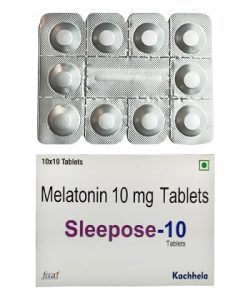
Sleepose
from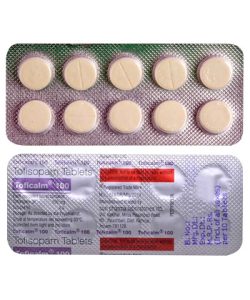
Toficalm
fromUnderstanding Sleep Disorders and Why Sleep Aids Matter
Sleep difficulties affect millions of Australians, impacting work performance, mental health, and overall wellbeing. Whether you’re struggling with occasional insomnia, jet lag, or chronic sleep problems, finding the right solution is essential for your health. Sleep aids work by promoting relaxation, reducing racing thoughts, or regulating sleep-wake cycles. They range from over-the-counter medications to prescription options, each designed to address different sleep issues.
Understanding your specific sleep problem helps determine which aid suits you best. Many Australians find that combining medication with good sleep hygiene practices produces the best results. It’s important to consult with your GP or pharmacist before starting any sleep aid to ensure it’s appropriate for your individual health needs and won’t interact with other medications you’re taking.
Over-the-Counter Sleep Aids Available in Australia
Over-the-counter sleep aids are accessible without a prescription and offer a convenient first step for mild to moderate sleep problems. Antihistamines like promethazine and diphenhydramine are commonly available in Australian pharmacies. These medications help induce drowsiness by blocking histamine in the brain. Natural sleep aids containing valerian root, passionflower, and hops are popular choices for those preferring herbal options.
Melatonin supplements are also widely available and help regulate your body’s internal clock, particularly useful for jet lag and shift work sleep issues. Magnesium supplements support relaxation and improve sleep quality for many people. Products like Phenergan Night Time and Nytol are familiar names in Australian supermarkets and pharmacies. When choosing an over-the-counter option, read labels carefully and follow dosage instructions. These aids are generally suitable for short-term use, though some people use them regularly under medical guidance. It’s worth noting that effectiveness varies between individuals, so what works for one person may not work for another.
Prescription Sleep Medications and When They’re Recommended
Prescription sleep aids are stronger medications reserved for moderate to severe insomnia that hasn’t responded to other treatments. Benzodiazepines like diazepam and temazepam are commonly prescribed in Australia for short-term insomnia relief. These work quickly and effectively but carry a risk of dependency with long-term use, so doctors typically recommend limited treatment periods. Non-benzodiazepine hypnotics, including zopiclone and zolpidem, are newer alternatives that work similarly but may have lower dependency risks.
Antidepressants such as amitriptyline are sometimes prescribed off-label for sleep, particularly when insomnia accompanies depression or anxiety. Your GP will assess your sleep patterns, medical history, and other medications before recommending a prescription option. These medications are typically prescribed for two to four weeks initially, with reviews to assess effectiveness and adjust dosages if needed. Prescription aids work best when combined with behavioural strategies like maintaining consistent sleep schedules and reducing caffeine intake. Regular monitoring by your healthcare provider ensures the medication continues to help without causing unwanted side effects or dependency issues.
Natural and Herbal Sleep Solutions
Many Australians prefer natural sleep aids as a gentler alternative to pharmaceutical options. Valerian root has been used for centuries to promote relaxation and improve sleep quality, with several studies supporting its effectiveness. Passionflower helps calm anxious thoughts that often prevent sleep, making it particularly useful for anxiety-related insomnia. Chamomile tea is a popular bedtime beverage that gently promotes relaxation without causing dependency.
Lavender, available as essential oils, teas, or supplements, has calming properties that many find beneficial before bed. Hops, traditionally used in brewing, contain compounds that support restful sleep and reduce restlessness. Lemon balm and skullcap are other herbal options available through Australian health food stores and pharmacies. These natural remedies often work more gradually than pharmaceutical options, sometimes requiring consistent use over several weeks to notice benefits. Quality varies between brands, so purchasing from reputable Australian suppliers ensures you’re getting effective products. Natural aids generally have fewer side effects than medications, though some people may experience mild reactions. Combining herbal remedies with relaxation techniques like meditation or deep breathing enhances their effectiveness.
Sleep Hygiene Practices and Complementary Strategies
While sleep aids provide immediate relief, establishing good sleep hygiene habits creates lasting improvements in sleep quality. Maintaining a consistent sleep schedule, going to bed and waking at the same time daily, helps regulate your body’s natural rhythm. Creating a dark, quiet, cool bedroom environment signals to your body that it’s time to sleep. Avoiding screens at least one hour before bedtime reduces blue light exposure that disrupts melatonin production.
Several key habits can significantly improve your sleep quality:
- Limiting caffeine intake, particularly after midday, prevents stimulation that interferes with falling asleep
- Regular exercise during the day promotes better sleep at night, though vigorous activity close to bedtime should be avoided
- Practising relaxation techniques like progressive muscle relaxation, deep breathing exercises, and meditation to calm your mind before bed
- Avoiding large meals, alcohol, and nicotine before sleep to improve sleep quality significantly
- Keeping your bedroom reserved primarily for sleep to strengthen the association between your bed and restfulness
Many Australians find that combining sleep aids with these practices creates better results than medication alone. Cognitive behavioural therapy for insomnia, available through some Australian healthcare providers, teaches proven techniques for improving sleep naturally.
Choosing the Right Sleep Aid and Safety Considerations
Selecting an appropriate sleep aid depends on your specific sleep issues, medical history, and lifestyle factors. Start with the gentlest option first, trying natural aids before progressing to over-the-counter medications if needed. If problems persist beyond two weeks, consult your GP for proper assessment and potentially prescription options. Be honest with your healthcare provider about your sleep patterns, other medications, and any health conditions affecting your sleep.
Safety should always be your priority when using any sleep aid. Avoid mixing different sleep aids unless specifically advised by your pharmacist or doctor, as combinations can cause dangerous interactions. Check expiry dates on all sleep aids and store them properly in cool, dry conditions away from children. Keep a sleep diary noting which aids you’ve tried, their effects, and any side effects experienced—this helps your GP find the best solution.
Understand that sleep aids work best as temporary solutions alongside lifestyle improvements, not permanent cures for sleep problems. Be aware that some aids may affect your ability to drive or operate machinery the next day. If you experience persistent side effects or the aid stops working effectively, don’t simply increase the dose—consult your healthcare provider instead. Regular check-ins with your GP ensure your sleep aid remains appropriate and effective for your needs.