Mysoline
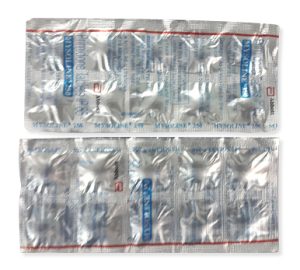
In brief
- You can normally obtain Mysoline (primidone) from a pharmacy but it is prescription-only in major markets; availability varies by country—some pharmacies or suppliers may supply it without a prescription, so check local pharmacy practice and national regulations before purchase.
- Mysoline (primidone) is used primarily as an antiepileptic to prevent and control seizures and is also used off-label for essential tremor; it is a barbiturate‑derivative anticonvulsant that enhances GABAergic inhibition and reduces neuronal excitability (it is metabolised to phenobarbital and active metabolites which contribute to effect).
- Typical adult dosing starts at about 100–125 mg at bedtime for initiation, titrating upward; common maintenance dosing is around 250 mg three to four times daily (some regimens use 250 mg twice daily for tremor); paediatric and elderly dosing is lower and titrated by weight and tolerance.
- Administered orally as tablets (commonly 100 mg or 250 mg); liquid/suspension forms exist but are less widely available.
- Sedative effects can begin within 30–60 minutes of an oral dose; meaningful anticonvulsant control may require careful titration over hours to days as metabolites accumulate.
- The clinical effect of a single dose typically lasts around 8–12 hours, with metabolites (notably phenobarbital) prolonging anticonvulsant activity with repeated dosing; therefore multiple daily doses are common for steady control.
- Do not consume alcohol while taking Mysoline—alcohol markedly increases central nervous system depression, sedation and risk of respiratory compromise.
- The most common side effec is drowsiness/sedation; other frequent adverse effects include dizziness, ataxia, nausea, vomiting and nystagmus; mood changes or agitation may occur, particularly in children.
- Would you like to try mysoline without a prescription?
Basic Mysoline Information
- INN (International Nonproprietary Name): Primidone
- Brand Names Available In Australia: not specified
- ATC Code: N03AA03
- Forms & Dosages: Tablets 100 mg and 250 mg; commonly supplied as bottles of 100 tablets; suspensions or syrups are occasionally available but not widely used
- Manufacturers In Australia: not specified
- Registration Status In Australia: not specified
- OTC / Rx Classification: Prescription-only (Rx)
Availability & Price Landscape
Worried you won’t find your tablets when you need them?
Mysoline, generically labelled primidone, is a niche antiepileptic in Australia and is used less than many modern agents.
This means stock and pricing vary between national chains and independent pharmacies.
Large discount retailers such as Chemist Warehouse commonly list generics rather than the Mysoline brand and often attract customers with lower private prices.
Mid-market groups like Priceline and TerryWhite Chemmart may hold limited stock and sometimes order on request from wholesalers.
Supply often depends on availability from global API suppliers and manufacturers such as Bausch Health (Mysoline) or generic suppliers from India and China.
Online pharmacy trends show more e‑scripts and telehealth deliveries routing prescriptions to local dispensaries in metro areas, improving access where stock exists.
Rural and remote patients still face intermittent supply and may need private scripts when PBS listing is absent or variable.
Tablets commonly seen are 100 mg and 250 mg, often sold in 100‑tablet bottles.
Private prices vary by dispenser and pack size, with generics typically cheaper than imported Mysoline 250 mg bottles.
National Pharmacy Chains (Chemist Warehouse, Priceline, TerryWhite)
How do the big chains compare for access and price?
Chemist Warehouse tends to favour generic primidone listings and lower private prices where supply exists.
Priceline and TerryWhite Chemmart are more likely to stock on a request basis or dispense from local wholesaler supply.
Availability can change week to week, depending on wholesaler deliveries and API imports.
When brand Mysoline stock is required, prescribers or pharmacists may need to order specific Bausch Health packs or arrange special imports.
Online Pharmacy Trends In Australia
Is ordering online safer or faster?
Online pharmacies using e‑scripts improve convenience, particularly in metro areas with reliable courier services.
They frequently route prescriptions to a local dispensing partner for fulfilment rather than shipping long distances.
Rural orders still face longer delivery windows and occasional backorders.
In our online pharmacy, mysoline is available without a prescription, with discreet delivery to Australia in 9-21 days.
Price Ranges By Package Size (PBS Vs Private)
Will the PBS cover my prescription?
PBS listing for primidone is limited or variable, so many prescriptions are written privately, which affects out‑of‑pocket cost.
Expect generic 250 mg bottles to be cheaper than imported Mysoline-brand 250 mg bottles, especially for 100‑tablet packs.
Private prices vary widely between dispensers depending on sourcing and import costs.
Ask your pharmacist for a price check and for substitution options when a PBS item is not available.
Patient Insights & Satisfaction Levels
What do Australians who take primidone actually say about it?
Many patients report clear benefits for seizure control and for relief of essential tremor when other drugs fail.
At the same time, tolerability is a frequent issue with common complaints of drowsiness, ataxia and mood changes.
Online forums and ProductReview threads highlight effectiveness in refractory cases but note slow titration and daytime sedation as adherence barriers.
Rural patients frequently mention access problems when local pharmacies don’t stock 250 mg bottles and the hassle of private scripts when PBS coverage is lacking.
Parents sometimes report agitation in children during initiation, which matches known side‑effect profiles.
Trusted pharmacist advice and gradual titration are often credited with improving adherence and tolerability.
Below are top five patient pros and cons to summarise common feedback.
- Top Benefits: Effective seizure control; helpful for essential tremor; works when other agents fail; relatively straightforward tablet dosing; generics reduce cost when available.
- Top Issues: Sedation/drowsiness; impaired coordination; dose titration time; mood or behavioural changes in some; access and PBS variability.
Forum Reviews (ProductReview, Aussie Health Forums)
Which experiences keep coming up?
Reviewers consistently praise primidone for efficacy in difficult‑to‑treat cases and tremor improvement off‑label.
Common notes include slow improvement during titration and reduced daytime functioning due to sedation.
Users advise careful timing of doses, often taking the first doses at night to reduce daytime drowsiness.
Reported Benefits And Issues From Australian Patients
How do reported problems line up with clinical effects?
Drowsiness, ataxia and nystagmus reported by patients directly reflect primidone’s pharmacology and its metabolites.
Where access is intermittent, patients describe delays in care and stress about running out of medication.
Pharmacist counselling on dose adjustments and monitoring often helps patients continue therapy successfully.
Product Overview & Brand Variants
What names will your script come under and what strengths are typical?
The International Nonproprietary Name is primidone and the recognisable brand internationally is Mysoline.
Mysoline 250 mg by Bausch Health is a documented example and is commonly available in 100‑tablet bottles in some markets.
Other international brand names include Primaclone, Lepimidin, Liskantin, Mylepsinum and Primidon Holsten among others.
In Australia you are most likely to encounter generics labelled primidone or occasionally imported brand Mysoline packs.
Primidone is classified in the ATC system as N03AA03 — an antiepileptic barbiturate derivative.
It is prescription‑only and must be supplied under standard Rx regulations.
Common pack sizes are 100 mg and 250 mg tablets, usually in bottles of 100 tablets.
INN And Brand Names In Australia
Will your label say Mysoline or primidone?
Most local dispensaries list the INN primidone and may substitute generics where available.
Brand Mysoline appears in international markets and may be imported if specifically requested by prescribers.
Legal Classification (TGA‑Approved)
Is primidone legally prescribable locally?
Primidone is prescription‑only and subject to the Therapeutic Goods framework in Australia.
Prescribers and pharmacists should verify current ARTG entries and sponsor details for specific products and imports.
Indications In Local Medical Practice
What will your doctor prescribe primidone for in Australia?
Neurologists typically reserve primidone for when first‑line antiepileptics fail or are unsuitable.
GPs often refer to neurology for initiation, especially in epilepsy management.
TGA registration should be checked on the ARTG for the current officially listed indications.
Historically primidone is licensed for epilepsy management, including tonic‑clonic and partial seizures.
Off‑label, primidone is commonly used in Australian clinics for essential tremor when propranolol is unsuitable or ineffective.
Prescribers balance the drug’s efficacy for tremor with the risk of sedation, particularly in older patients.
The table below shows TGA‑listed uses versus common off‑label patterns in practice.
| Use | TGA‑Listed | Common Off‑Label Use |
|---|---|---|
| Epilepsy (generalised/partial) | Typically listed historically (verify ARTG) | Primary antiepileptic option when others fail |
| Essential Tremor | Not universally listed | Frequently used off‑label when propranolol unsuitable |
Approved Uses By TGA
Always check ARTG for the current registration and sponsor details before relying on local supply.
Off‑Label Patterns In Australian Clinics
Primidone is a recognised second‑line option for tremor in practice despite off‑label status.
Clinicians document benefits against sedation and adjust doses accordingly.
How It Works In The Body
Why do you feel sleepy on primidone and how does it stop seizures?
Primidone is metabolised to phenobarbital and phenylethylmalonamide, both of which contribute to anticonvulsant action.
A simple way to think about it is that primidone quietens over‑excitable brain cells, reducing the chance of seizures and damping tremor signals.
On a biochemical level primidone and phenobarbital enhance GABAergic inhibition and modulate neuronal excitability.
This class effect explains common adverse effects such as sedation, ataxia and nystagmus.
The drug is primarily metabolised by the liver and hepatic impairment prolongs its action and metabolites.
Interactions with other CNS depressants are clinically important because combined sedation can be severe.
Layman’s Explanation
Think of primidone as a gentle brake on over‑active nerve circuits in the brain.
Clinical Detail
Primidone belongs to ATC class N03AA03 and is a barbiturate derivative with active metabolites including phenobarbital.
Hepatic metabolism and active metabolites create clinically relevant interactions and need for dose adjustments in liver or renal impairment.
Key interactions include other sedatives, alcohol and medicines that alter hepatic enzyme activity.
Dosage & Administration
How will the pharmacist and doctor start and adjust your dose?
Start low and go slow is the practical rule with primidone to reduce sedation and improve tolerability.
Typical adult initiation is 100–125 mg at bedtime, then gradual titration based on response and side effects.
Maintenance dosing commonly used in adults is 250 mg three or four times daily according to global practice notes.
For essential tremor off‑label titration toward 250 mg twice daily is commonly tried.
Children generally start at lower weight‑based doses, commonly around 50 mg/day divided, with cautious increases.
Elderly patients need lower starting doses and slower titration because of higher sensitivity to ataxia and sedation.
In hepatic or renal impairment reduce dose and monitor clinically, as primidone and metabolites are hepatically cleared and may accumulate.
Standard Regimens
Initial adult: 100–125 mg at bedtime.
Typical adult maintenance: 250 mg three to four times daily.
Adjustments By Patient Type (Elderly, Chronic Conditions)
Elderly: lower start and slower step‑ups.
Children: weight‑based titration from low starting doses.
Monitor liver and renal function for long‑term therapy and adjust accordingly.
Contraindications & Side Effects
What should you never take primidone with and when should you call for help?
Absolute contraindications include hypersensitivity to primidone, phenobarbital or other barbiturates and acute intermittent porphyria.
Relative contraindications include severe hepatic or renal impairment, significant respiratory depression and frailty in elderly patients.
Common side effects are drowsiness, lethargy, dizziness, ataxia, nausea and nystagmus.
Children may experience mood changes or agitation particularly during initiation.
Rare but serious risks include severe CNS depression in overdose, blood dyscrasias and hepatic injury.
Pregnancy and breastfeeding carry risks such as potential teratogenicity, neonatal bleeding and neonatal withdrawal or sedation; specialist advice is required.
For long‑term therapy monitor CBC, liver and renal function as recommended.
Common
- Drowsiness and lethargy
- Dizziness and impaired coordination (ataxia)
- Nausea, vomiting
- Nystagmus
- Mood changes or agitation in some patients
Rare But Serious (Australian Safety Data)
- Severe CNS depression or coma in overdose
- Blood dyscrasias
- Hepatic injury with long‑term use
- Obstetric and neonatal risks if used in pregnancy
Comparable Medicines
What are the practical alternatives to primidone for seizures and tremor?
Choice often comes down to efficacy, tolerability and PBS subsidy status.
For epilepsy alternatives include phenobarbital, phenytoin, carbamazepine and valproate.
For essential tremor common alternatives include propranolol and gabapentin.
PBS listings vary and often determine cost‑effective choices for chronic users.
Generics may be cheaper when available but PBS subsidy is the main driver of long‑term affordability for many patients.
Alternatives Table (PBS And Non‑PBS)
| Drug | Common Indication | PBS Status (Example) | Pros | Cons |
|---|---|---|---|---|
| Phenobarbital | Epilepsy | varies | Effective, low cost | Sedation, barbiturate class effects |
| Carbamazepine | Epilepsy | often PBS | Good efficacy for focal seizures | Drug interactions, monitoring required |
| Propranolol | Essential tremor | varies | Well tolerated for tremor | Not suitable for asthma, bradycardia |
Pros And Cons List
- Pros: Useful for refractory epilepsy; effective for tremor; generics can reduce cost.
- Cons: Sedation risk; interaction potential; teratogenic and neonatal risks; variable PBS support.
Current Research & Trends
What are recent studies saying about older antiepileptics like primidone?
Recent 2022–2025 reviews emphasise older agents as second‑ or third‑line options and focus on comparative tolerability versus newer drugs.
Clinical work comparing primidone to propranolol for essential tremor continues to highlight efficacy but persistent sedative effects.
Australian research interest centres on access issues, rural prescribing patterns and the role of telehealth in continuity of care.
Pharmacovigilance studies keep monitoring long‑term cognitive effects and obstetric safety signals.
Major Studies 2022–2025 (Australia + International)
Annotated bibliography of key recent work.
- Comparative review (2022): Older antiepileptics as second‑line agents — takeaway: primidone remains an option where newer drugs fail.
- Essential tremor trials (2023): Primidone vs propranolol comparison — takeaway: similar efficacy for some patients but higher sedation with primidone.
- Access study (2024, Australia): Telehealth and rural supply — takeaway: telehealth improves prescribing continuity but supply chain remains a limiting factor.
Common Patient Questions
Which questions do patients ask at the pharmacy most often?
Q: “Is primidone on the PBS?”
A: Coverage is variable — check current PBS listings and discuss private script costs with your pharmacist.
Q: “Will it make me sleepy?”
A: Sedation, dizziness and ataxia are common; slow titration and night dosing can reduce daytime sleepiness.
Q: “Can I drink alcohol?”
A: Avoid alcohol because it increases CNS depression and the risk of falls or severe sedation.
Q: “What if I miss a dose?”
A: Take as soon as you remember unless it is near the next dose; do not double up.
Q: “How should I store it?”
A: Store at room temperature (20–25°C) in the original container and keep away from moisture.
FAQs From Australian Pharmacy Consultations
- Is primidone safe long term? Monitoring blood tests for liver function and CBC are recommended for chronic use.
- Can I drive? Avoid driving until you know how primidone affects alertness.
- When to call GP vs emergency? Seek immediate care for severe drowsiness, breathing difficulty or overdose; call GP for progressive side effects.
Regulatory Status
How is primidone controlled and subsidised in Australia?
Primidone and branded Mysoline have longstanding approvals internationally, but specific ARTG entries and sponsors should be checked for Australia.
Primidone is prescription‑only and not available over the counter.
PBS subsidy determines patient cost and varies over time, so many prescribers issue private scripts when PBS listing is absent or limited.
Pharmacists should verify ARTG and PBS listings and follow substitution rules when dispensing generics or imported products.
TGA Approval
Always confirm the ARTG entry for a specific product and sponsor before relying on local availability.
PBS Subsidy Details
PBS coverage for primidone is historically variable and patients may need private prescriptions depending on current schedules.
Visual Recommendations
Which quick visuals help patients make decisions?
Recommended infographics for a pharmacy product page include a PBS vs private price comparison bar chart, a national availability map showing metro versus rural reliability, a dosing ladder for initiation → titration → maintenance, and a side‑effect severity heatmap.
Annotate visuals with pack sizes (100 mg, 250 mg) and the common 100‑tablet bottle example such as Mysoline 250 mg by Bausch Health where relevant.
Include an ATC code call‑out (N03AA03) and a short storage block noting room temperature (20–25°C).
Buying & Storage Advice
How should you buy and keep primidone at home in Australian conditions?
Always obtain primidone by prescription and confirm whether a generic or brand is dispensed.
In‑store purchase offers face‑to‑face pharmacist counselling on titration, interactions and monitoring.
Online pharmacies improve access with e‑scripts, but check that the online dispenser is accredited and confirm whether supply is local stock or imported.
Check expiry and batch details when you receive the pack, and confirm the tablet strength and number of tablets dispensed.
Store tablets at room temperature (20–25°C) and protect them from moisture.
Avoid leaving tablets in hot cars or humid bathrooms during Australian summers.
Secure medicines away from children and pets and carry a small supply in original packaging when travelling.
In‑Store Vs Online Purchase Tips In Australia
- In‑store: immediate counselling and potential to request alternative supply if current stock is short.
- Online: convenient for repeat prescriptions; confirm accreditation and supply origin.
Storage In Australian Household Conditions (Heat/Humidity)
Do not store tablets in places with high heat or humidity.
Keep in original container with desiccant if provided and store between 20–25°C.
Delivery Across Australia
| City | Region | Delivery Time |
|---|---|---|
| Sydney | New South Wales | 9-14 days |
| Melbourne | Victoria | 9-14 days |
| Brisbane | Queensland | 9-14 days |
| Perth | Western Australia | 9-14 days |
| Adelaide | South Australia | 9-14 days |
| Hobart | Tasmania | 9-14 days |
| Darwin | Northern Territory | 9-14 days |
| Canberra | Australian Capital Territory | 9-14 days |
| Gold Coast | Queensland | 9-14 days |
| Newcastle | New South Wales | 9-14 days |
| Wollongong | New South Wales | 14-21 days |
| Geelong | Victoria | 14-21 days |
| Cairns | Queensland | 14-21 days |
| Townsville | Queensland | 14-21 days |
| Toowoomba | Queensland | 14-21 days |
Guidelines For Proper Use
What practical advice will the pharmacist give you in Australia?
Pharmacists should confirm the indication and review the full medication list for interacting CNS depressants or hepatic enzyme inducers/inhibitors.
Advise slow titration starting at 100–125 mg at night and increase only as tolerated under medical guidance.
Monitor liver and renal function for long‑term users and consider CBC monitoring periodically.
Warn against abrupt cessation because of seizure recurrence and require tapering guided by the prescriber.
Advise patients to avoid alcohol and to not drive until they know how primidone affects alertness.
Discuss reproductive planning with women of childbearing age because of potential teratogenic and neonatal risks and coordinate care with specialists.
Provide a short one‑page safety card for patients listing dosing, common side effects and red flags for urgent care.
Pharmacist Guidance In Australia
- Confirm indication and recent labs before dispensing for long‑term therapy.
- Review for interactions with other CNS depressants and enzyme‑modifying drugs.
- Encourage slow titration and night‑time initiation to reduce daytime sedation.
Patient Safety Recommendations
Do not stop primidone suddenly.
Avoid alcohol and caution with driving or operating machinery.
Seek urgent care for severe drowsiness, breathing difficulty, or suspected overdose.