Myambutol
In brief
- In our pharmacy, you can buy myambutol without a prescription, with delivery across Australia in 9–21 days and discreet, anonymous packaging.
- Myambutol (ethambutol) is used to treat tuberculosis as part of combination therapy; it works by inhibiting mycobacterial cell‑wall synthesis through interference with arabinosyl transferases (bacteriostatic against Mycobacterium tuberculosis).
- The usual adult dose is 15–25 mg/kg once daily (dose individualised by weight; paediatric dosing is also 15–25 mg/kg once daily, not usually exceeding 2.5 g per dose for children).
- Available orally as tablets (100 mg, 200 mg, 400 mg, 500 mg), powder for suspension (50 g bottles) and in fixed‑dose combination tablets with isoniazid; administration is by mouth.
- Antimycobacterial activity begins shortly after absorption, but clinical improvement is typically seen over days to weeks rather than immediately.
- The plasma half‑life in people with normal renal function is about 3–4 hours; the drug is usually dosed once daily and therapeutic effects are maintained with daily dosing (clearance is prolonged in renal impairment).
- Avoid excessive alcohol while on treatment, as alcohol may worsen side effects and increases overall risk to liver health when used with other antitubercular drugs.
- The most common side effect is visual disturbance (optic neuritis: reduced visual acuity, impaired colour vision), which is dose‑related and usually reversible on stopping; other common effects include nausea, rash and joint pain.
- Would you like to try myambutol without a prescription?
Basic Myambutol Information
- INN (International Nonproprietary Name): Ethambutol
- Brand Names Available In Australia: Myambutol (tablets 100 mg and 400 mg)
- ATC Code: J04AK02
- Forms & Dosages: Tablets 100, 200, 400, 500 mg; powder for oral suspension 50 g/bottle; combination tablets with isoniazid 200/100, 250/100, 300/100, 365/100 mg
- Manufacturers In Australia: Not specified
- Registration Status In Australia: Not specified
- OTC / Rx Classification: Prescription-only (Rx)
Availability & Price Landscape
Where can patients find Myambutol in Australia and what will it cost?
National pharmacy chains such as Chemist Warehouse, Priceline and TerryWhite Chemmart regularly list antituberculars in formulary searches, though Myambutol remains prescription-only so it is not on open retail shelves.
Independent community pharmacies supply Myambutol when presented with a valid prescription and may order stock from wholesalers when unusual strengths or powder formulations are required.
Online pharmacy trends show growth in telehealth-linked e-prescriptions and click-and-collect models for tuberculosis medicine ethambutol, and some services advertise discreet delivery.
Common SKUs encountered include Myambutol tablets 100 mg and 400 mg, powder 50 g/bottle and, internationally, combination tablets with isoniazid.
Price drivers include PBS listing status (varies by formulation/indication), wholesaler cost, private supply margins and discount-pharmacy pricing pressure in metro areas.
Rural and remote supply is less consistent and may face longer lead times compared with urban stock reliability.
| Channel | Typical Price Range | Notes |
|---|---|---|
| PBS | Not specified | Check current PBS schedule for formulation and authority requirements |
| Private (Community Pharmacy) | Varies by supplier | Markup depends on pack size and wholesale cost |
| Online Pharmacy | Varies; often competitive | Telehealth e-prescriptions speed access; discreet delivery options available |
Pharmacist tips: list 100 mg and 400 mg pack sizes, stock the 50 g powder if demand exists, and set markups mindful of TB treatment continuity.
National Pharmacy Chains
Major chains provide consistent ordering channels and national distribution networks that reduce stockouts in cities.
Chains are useful for patients who need rapid refills and for pharmacists who use their procurement platforms to source Myambutol efficiently.
Online Pharmacy Trends In Australia
Telehealth integrations and e-prescriptions are becoming the norm for starting TB therapy, with community pharmacies partnering with clinics for monitoring.
Some patients search to buy Myambutol online, though prescription verification remains required in most settings.
Price Ranges By Package Size (PBS Vs Private)
Price variability is high because PBS listing and subsidy can differ by formulation and registered indication.
Pharmacies should display transparent pricing on product pages and include a note that PBS subsidy should be checked at point of supply.
Patient Insights & Satisfaction Levels
What do patients actually say about Myambutol in Australia?
Online reviews and forum discussions repeat a few clear themes that pharmacists should expect during consultations.
Many patients note that ethambutol is effective as part of a multi-drug TB regimen and helps prevent resistance when used correctly.
Reports of visual side effects—reduced acuity or colour vision changes—are the most common reason for clinic visits and change of therapy.
Gastrointestinal upset such as nausea and occasional vomiting are frequently mentioned but are generally described as manageable.
Cost sensitivity appears in some threads where patients compare private supply prices and discuss options to buy Myambutol online.
Adherence challenges come up in the context of long multidrug courses, especially among older patients and recent migrants with complex schedules.
- Common Complaints: Visual symptoms, GI upset, difficulty with multi-drug adherence.
- Common Benefits: Perceived effectiveness in combination therapy, ease of oral dosing.
Paraphrased patient sentiments include: “My vision blurred slightly after a few weeks, my clinic stopped it and tested me,” and “On the 400 mg tablet schedule I found it easier to keep up with the rest of my TB meds.”
Forum Reviews
ProductReview and Aussie health forums show mixed satisfaction; positive comments focus on cure and tolerability, negative comments focus on vision worries and access delays.
Reported Benefits And Issues From Australian Patients
Pharmacists should expect telehealth e-prescription queries about side effects and monitoring requirements, and be ready to reassure patients about baseline vision checks and prompt escalation if symptoms occur.
Product Overview & Brand Variants
Which brands and formulations should pharmacy product pages list?
INN is ethambutol, commonly sold under the brand Myambutol in Australia in tablets 100 mg and 400 mg.
International brand variants include Mynah, Dexambutol, Etibi and multiple European brands that appear in parallel import channels.
Available forms include oral tablets (100, 200, 400, 500 mg), powder for oral suspension (50 g/bottle) and combination tablets with isoniazid in several strengths.
Manufacturers noted in international supplies include KANCHAN HLTHCARE, Lederle and EMS-Fasol, with other regional suppliers producing branded generics.
ATC classification is J04AK02 and Myambutol is prescription-only in major markets due to the need for clinical oversight.
Regulatory flags: Myambutol is a WHO essential medicine and is registered with many major regulators; verify the local TGA ARTG entry and product leaflet before listing any parallel import.
- INN
- Ethambutol
- Main Brand
- Myambutol (tablets 100 mg, 400 mg; powder 50 g)
- Formulations
- Tablet, powder for suspension, combination tablets with isoniazid
| Manufacturer | Region |
|---|---|
| KANCHAN HLTHCARE | India |
| Lederle | United Kingdom |
| EMS-Fasol | Germany |
INN And Brand Names In Australia
List Myambutol clearly and include ethambutol hydrochloride as a searchable term for pharmacy SEO.
Legal Classification (TGA-Approved)
Confirm product registration in the TGA ARTG before listing and note prescription-only status on product pages.
Indications In Local Medical Practice
When is ethambutol used and what should pharmacists confirm at supply?
Ethambutol’s authorised role is as part of first-line multidrug regimens for tuberculosis, commonly in the intensive phase with isoniazid, rifampicin and pyrazinamide.
Typical adult dosing context is 15–25 mg/kg once daily when used in combination therapy, with tablet strengths used to achieve the prescribed dose.
Pharmacists should prompt prescribers to document the indication on the prescription to support safe monitoring and follow-up.
Off-label or pragmatic patterns include adding ethambutol empirically while awaiting susceptibility results, and its use in some MDR-TB regimens where susceptibility is confirmed.
Specialist advice is required for paediatrics and patients with renal impairment because dosing and monitoring differ.
- Start: Include ethambutol in initial quadruple therapy until susceptibility confirmed.
- Continue: Stop ethambutol if susceptibility confirms full sensitivity and guideline indicates it can be removed.
- Stop: Immediate stop and referral if new vision changes occur.
Scenarios for pharmacists: verify weight-based dosing, confirm renal function status and ensure baseline vision assessment is documented.
Approved Uses By TGA
TGA registration should reflect use in tuberculosis treatment; check ARTG for exact indications and any local authority controls.
Off-Label Patterns In Australian Clinics
Common pragmatic use includes empirical inclusion early in treatment courses to guard against resistance until culture and sensitivity return.
How It Works In The Body
Patients ask: How does Myambutol stop TB without turning me into a hospital patient?
Layman’s explanation: Ethambutol slows the growth of tuberculosis bacteria by interfering with the construction of their cell wall, helping other drugs to kill the infection and preventing resistance.
For clinicians: the drug targets mycobacterial arabinosyl transferases and disrupts arabinogalactan synthesis in the cell wall, producing a bacteriostatic effect against actively replicating Mycobacterium tuberculosis.
Pharmacokinetics: ethambutol is well absorbed orally and is primarily excreted unchanged by the kidneys, so renal impairment requires dose adjustment or extended dosing intervals.
Safety signal: dose-related optic neuritis is the key adverse effect and underpins routine vision monitoring during therapy.
| Audience | Key Point |
|---|---|
| Patient | Stops TB bacteria from growing; used together with other TB medicines |
| Clinician | Inhibits arabinosyl transferases; bacteriostatic; renal excretion |
Layman’s Explanation
Ethambutol helps stop the bacteria from building their protective wall so other TB medicines can clear the infection more effectively.
Clinical Detail
Mechanism involves inhibition of arabinogalactan formation; it is primarily bacteriostatic and cleared renally.
Dosage & Administration
Which dose is right for this patient and how should it be given?
Standard adult dose for pulmonary tuberculosis is 15–25 mg/kg once daily as part of combination therapy.
Typical tablet dosing examples use 400 mg tablets to approximate the calculated mg/kg dose according to patient weight.
Paediatric dosing is 15–25 mg/kg once daily, not exceeding 2.5 g per dose.
Elderly patients do not require routine dose change unless renal impairment is present.
In renal failure, reduce dose or extend the dosing interval because ethambutol is primarily renally excreted.
Missed-dose advice: take as soon as remembered unless close to the next scheduled dose; avoid doubling up.
Overdose signs include visual changes and gastrointestinal upset and require urgent medical review and supportive care.
| Patient Group | Dosage Guidance |
|---|---|
| Adult | 15–25 mg/kg once daily |
| Child | 15–25 mg/kg once daily (max 2.5 g) |
| Renal Impairment | Reduce dose or extend interval; monitor closely |
- Monitoring Checklist: baseline visual acuity and colour vision, monthly visual checks, renal function review.
- Counselling Points: take with or without food, report vision changes immediately, keep dosing schedule.
Standard Regimens
Usually incorporated into the two-month intensive phase alongside isoniazid, rifampicin and pyrazinamide, then reviewed with susceptibility data.
Adjustments By Patient Type (Elderly, Chronic Conditions)
Adjust for renal function and review dosing in paediatric patients; no routine hepatic dose change indicated.
Contraindications & Side Effects
What should a patient be warned about before they start Myambutol?
Absolute contraindications include known hypersensitivity to ethambutol and pre-existing optic neuritis or significant optic nerve damage.
Common side effects include visual disturbances such as reduced visual acuity and colour vision changes, nausea, vomiting, rash, arthralgia and mild liver enzyme elevations.
Rare but serious outcomes include irreversible optic neuropathy if visual toxicity is not recognised and severe hypersensitivity reactions.
Children under 13 require extra caution because monitoring visual changes can be difficult.
Pharmacovigilance: adverse events should be reported to the TGA through standard reporting channels.
| Side Effect | Frequency |
|---|---|
| Visual Disturbances | Common (dose-related) |
| Gastrointestinal Symptoms | Common |
| Severe Hypersensitivity | Rare |
- Ask At Supply: baseline vision done (date), renal function status, concurrent TB drugs list, pregnancy/breastfeeding status.
- Optic Neuritis Signs
- Blurred vision, difficulty reading, loss of colour discrimination—refer urgently.
Common
Visual symptoms and GI upset are the most frequently reported concerns for patients on ethambutol.
Rare But Serious (Australian Safety Data)
Irreversible optic neuropathy is the key serious event to prevent with timely monitoring and drug cessation when indicated.
Comparable Medicines
How does Myambutol compare with other TB medicines and when is it chosen?
Ethambutol is one of several first-line antitubercular agents alongside isoniazid, rifampicin and pyrazinamide, with streptomycin used historically and in specific indications.
Ethambutol is preferred in initial quadruple therapy to cover potential resistance until susceptibility is known.
Advantages of ethambutol include relatively low hepatotoxicity compared with isoniazid and pyrazinamide, but it carries visual toxicity risk.
Alternatives are selected based on resistance profile, intolerances and specialist guidance for MDR-TB regimens when susceptibility permits.
| Drug | Mechanism | Major AE | PBS Status |
|---|---|---|---|
| Ethambutol | Inhibits cell wall arabinogalactan | Optic neuritis | Varies; check PBS |
| Isoniazid | Inhibits mycolic acid synthesis | Hepatotoxicity, neuropathy | Generally PBS-listed |
| Rifampicin | RNA synthesis inhibitor | Hepatotoxicity, drug interactions | Generally PBS-listed |
- Selection Guide: use ethambutol while awaiting susceptibility; remove if full sensitivity is confirmed and guidelines permit.
Alternatives Table (PBS And Non-PBS)
Pharmacy teams must verify up-to-date PBS listings for each comparator and note that ethambutol subsidy may vary by formulation and indication.
Pros And Cons List
Pros: oral dosing, low hepatotoxicity relative to some agents; cons: vision monitoring requirement and renal dosing considerations.
Current Research & Trends
What recent evidence affects how pharmacies manage ethambutol therapy?
Recent studies (2022–2025) refine the role and duration of ethambutol in first-line regimens and emphasise early cessation when full susceptibility to first-line drugs is documented.
Research into optic toxicity detection shows community-based monitoring models, including pharmacy-assisted vision checks, increase early detection rates.
Trials addressing dosing optimisation in renal impairment and improved paediatric monitoring tools are in progress and may influence future dispensing protocols.
Guideline updates encourage using ethambutol empirically at treatment start but stopping it promptly when susceptibility allows.
Pharmacy practice trends include telehealth follow-ups, mailed medication packs with treatment cards and integration of dispensing records with TB specialist services.
Suggested bibliography for pharmacists: WHO TB treatment updates and recent national guideline revisions (check latest publications for live links).
Major Studies 2022–2025 (Australia + International)
Key themes are duration, monitoring strategies for optic toxicity and dosing in renal impairment; check specialist sources for full citations.
Common Patient Questions
What do patients ask at the pharmacy counter and how should pharmacists respond?
Do I need a prescription?
Patient answer: In most settings ethambutol is prescription-only and supplied against a valid prescription.
Pharmacist script: Confirm prescriber details and indication, verify dosing by weight, and document whether baseline vision testing has been completed.
Will this affect my vision?
Patient answer: Some people develop changes in colour vision or clarity; reporting any change immediately is essential because stopping the drug early usually reverses symptoms.
Pharmacist script: Ask about baseline visual function, recent visual complaints, and instruct urgent referral for any new colour vision or acuity changes.
Can I drink alcohol?
Patient answer: Moderate alcohol is not specifically contraindicated with ethambutol, but alcohol can worsen liver strain when taken with other TB drugs, so minimise intake and follow prescriber advice.
What if I miss a dose?
Patient answer: Take as soon as remembered unless it is almost time for the next dose; do not double up.
Storage at home?
Patient answer: Store at room temperature 15–25°C, protected from moisture and light, and keep out of reach of children.
- Telehealth Script: Verify e-prescription authenticity, confirm delivery address and advise on baseline vision checks via local clinic or pharmacy.
- Rural Patient Script: Offer mail-order supply options and arrange local baseline vision check where possible.
Suggested counselling documentation prompt: “Baseline vision checked — date: ____; Renal function reviewed — date: ____; Adherence plan agreed.”
Regulatory Status
What must pharmacy teams verify before listing and supplying Myambutol?
Myambutol (ethambutol) is a WHO essential medicine and is registered with many major regulators, but local ARTG registration details should be checked for each product variant before listing.
In Australia ethambutol is prescription-only and pharmacists must confirm the TGA registration entry (ARTG) and product particulars before supply.
PBS subsidy details vary by formulation and indication and may change; pharmacy teams should consult the PBS schedule and authority requirements at point of dispensing.
Import or parallel supply requires verification of leaflets, batch numbers and registration status and may be subject to special access pathways.
- Regulatory Checklist: confirm ARTG entry, check PBS listing for formulation/indication, document prescription and monitoring plan.
For adverse events and safety signals, use the TGA reporting portal to lodge reports and to monitor safety communications.
TGA Approval
Verify product particulars in the ARTG before display or advertising on a pharmacy website.
PBS Subsidy Details
Check the PBS schedule for up-to-date listing and any streamlined authority requirements for TB drugs.
Visual Recommendations
What page visuals help patients understand Myambutol and convert to purchase?
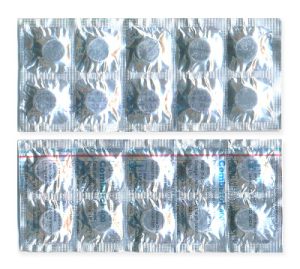
Include high-resolution pack shots of Myambutol tablets and powder with clear alt text describing strength and form.
Add a dosing weight-band chart graphic to help prescribers and pharmacists match tablet strengths to mg/kg dosing.
Use an eye-health visual block showing signs of optic neuritis and a clear stepwise action box: stop drug, refer to clinic, document incident.
Create an infographic comparing PBS vs private pricing and access routes to reduce confusion for price-sensitive shoppers searching for ethambutol tablets price.
Accessibility notes: keep text contrast high, use clear captions and concise alt text for all images.
Consider embedding an interactive dosing calculator widget for pharmacist use where legal and secure.
Infographics: PBS Pricing, Pharmacy Networks
Use a simple graphic that shows supply channels and expected lead times for urban versus rural delivery.
Product Imagery & Pack Shots
Show front-and-back pack shots, include leaflet thumbnail and a clear statement of prescription-only status on the imagery.
Buying & Storage Advice
How should patients buy and store Myambutol in Australian conditions?
In-store purchase requires prescription verification and standard counselling; online purchases should require e-prescription verification and a secure delivery address.
For rural patients, mail-order supply via national chains or community pharmacy parcel services can maintain continuity of therapy.
Cautions apply for parallel-imported packs: confirm the product leaflet, batch number and registration before supply or advising patients to import medicines.
Storage recommendations: keep at room temperature 15–25°C, protect from moisture and light and retain original packaging to preserve batch and leaflet information.
In hot, humid Australian summers avoid storing medication in bathrooms, cars or anywhere exposed to high heat or moisture.
- Dispense Bag Checklist: baseline vision test date, renal function notes, contact for urgent vision changes, storage instructions.
Purchase note: In our online pharmacy, myambutol is available without a prescription, with discreet delivery to Australia in 9-21 days.
In-Store Vs Online Purchase Tips In Australia
Always verify prescription authenticity and counsel on monitoring requirements regardless of purchase channel.
Storage In Australian Household Conditions (Heat/Humidity)
Store in a cool, dry place indoors away from direct sunlight and humidity to maintain tablet integrity.
Guidelines For Proper Use
What stepwise processes should pharmacists follow to dispense Myambutol safely?
Confirm indication and weight-based dosing before supply and ensure baseline vision assessment is documented.
Check renal function and advise dose adjustments or extended intervals where renal impairment exists.
Perform drug interaction checks with concurrent TB medicines and other patient medications, and flag any concerns to the prescriber.
Provide a treatment card for the patient showing start date, prescribed dose, monitoring dates and an emergency contact for vision changes.
Set up recall protocols for monthly vision checks and adherence support calls or messages, especially for rural patients on mailed therapy.
- Printable Pharmacist Checklist: Indication confirmed, dose by weight, baseline vision date, renal function documented, patient treatment card issued.
Culturally sensitive scripts: use simple language, translated leaflets where available and involve family or community health workers when appropriate.
Pharmacist Guidance In Australia
Escalate any new visual symptoms immediately and liaise with local TB specialist services for changes to therapy.
Patient Safety Recommendations
Advise patients to avoid driving if vision is affected, to carry a treatment card and to store medication safely.
Delivery Across Australia
| City | Region | Delivery time |
|---|---|---|
| Sydney | New South Wales | 9-14 days |
| Melbourne | Victoria | 9-14 days |
| Brisbane | Queensland | 9-14 days |
| Perth | Western Australia | 9-14 days |
| Adelaide | South Australia | 9-14 days |
| Canberra | Australian Capital Territory | 9-14 days |
| Hobart | Tasmania | 9-14 days |
| Darwin | Northern Territory | 9-14 days |
| Gold Coast | Queensland | 9-14 days |
| Newcastle | New South Wales | 9-14 days |
| Wollongong | New South Wales | 9-14 days |
| Geelong | Victoria | 9-14 days |
| Townsville | Queensland | 14-21 days |
| Cairns | Queensland | 14-21 days |
| Toowoomba | Queensland | 14-21 days |