Fluoxetine
In brief
- In our pharmacy, you can buy fluoxetine without a prescription, with delivery available across Australia; note that in many countries fluoxetine is prescription-only.
- Fluoxetine is an SSRI antidepressant used to treat major depressive disorder, obsessive–compulsive disorder, bulimia nervosa and panic disorder; it works by selectively inhibiting serotonin reuptake, increasing serotonin availability in the brain.
- The usual dose is 20 mg once daily for adults as a starting dose; typical maintenance doses are 20–60 mg daily, and higher doses (up to 80 mg) may be used under specialist supervision.
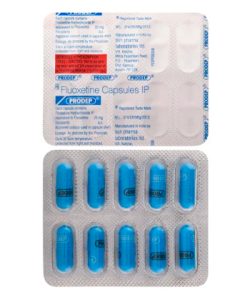
- Fluoxetine is taken orally — available as capsules (various strengths), tablets/orodispersible 20 mg and an oral solution (commonly 20 mg/5 mL).
- Some people notice early changes in energy or sleep within 1–2 weeks, but antidepressant effects typically begin to emerge after 2–4 weeks.
- Fluoxetine has a long duration of action and long half-life (including active metabolite norfluoxetine), so effects persist with once-daily dosing and may take several weeks to wash out after stopping.
- Avoid or limit alcohol while taking fluoxetine, as alcohol can worsen depression, increase side effects and impair judgement.
- The most common side effect is nausea.
- Would you like to try fluoxetine without a prescription?
Basic Fluoxetine Information
- INN (International Nonproprietary Name): Fluoxetine
- Brand Names Available In Australia: Not Specified
- ATC Code: N06AB03
- Forms & Dosages: Hard capsules (10 mg, 20 mg, 30 mg, 40 mg, 60 mg); oral solution (20 mg/5 mL); orodispersible tablets (20 mg)
- Manufacturers In Australia: Not Specified
- Registration Status In Australia: Not Specified
- OTC / Rx Classification: Prescription Only (Rx/POM)
Availability & Price Landscape
National Pharmacy Chains (Chemist Warehouse, Priceline, TerryWhite)
Where Australians commonly fill antidepressant prescriptions, national chains hold the biggest retail footprint.
Chemist Warehouse, Priceline and TerryWhite Chemmart typically stock multiple generic fluoxetine brands and pack sizes.
Large chains often run price promotions that influence out‑of‑pocket cost for fluoxetine 20mg and other strengths.
Pharmacists in these chains routinely offer medicine substitution to an equivalent generic fluoxetine brand when clinically appropriate.
Customers frequently compare unit price per mg across stores before choosing a pack of fluoxetine capsules or tablets.
Online Pharmacy Trends In Australia
Telehealth‑linked e‑prescriptions have pushed many patients to order medicines online, including fluoxetine.
Accredited Australian online pharmacies commonly offer pharmacist counselling by phone and repeat dispensing services.
Delivery options and discreet home delivery are major reasons people in regional areas choose online supply for fluoxetine hydrochloride products.
Price comparison tools and promotions online make it easier to spot deals on generics such as fluoxetine capsules.
When buying online, consumers should check pharmacist availability and verify the seller is an Australian‑registered pharmacy.
Price Ranges By Package Size (PBS Vs Private)
Availability on the PBS varies by formulation and clinical indication, so subsidy status will affect price to the patient.
Where a formulation or indication is not PBS‑listed, expect private retail pricing to determine out‑of‑pocket cost.
Typical private prices vary widely between chains and online sellers, so comparing unit price per mg is practical for cost‑minded buyers.
Look for special offers on fluoxetine 20mg packs, but confirm the generic manufacturer and pack size before switching brands.
Pharmacists can advise when a PBS alternative might be clinically appropriate to reduce cost for the patient.
Patient Insights & Satisfaction Levels
Forum Reviews (ProductReview, Aussie Health Forums)
Reviews on ProductReview and local health forums mix efficacy feedback with comments about side effects and pharmacy service.
Patients often mention appreciation for low‑cost generics and clear pharmacist advice during dispensing.
Common complaints include delays in dose changes that require another GP visit and confusion when brands change packaging.
Telehealth e‑scripts tied to online pharmacies receive positive comments for convenience, especially for repeat prescriptions.
Some forum users report successful switching between brands without loss of effect, while others note appearance differences can be disorienting.
Reported Benefits And Issues From Australian Patients
Benefits reported by patients typically include improved mood, better sleep patterns and reduced anxiety after several weeks.
Common issues include sexual dysfunction, weight change, sleep disturbances and an initial increase in anxiety or nausea.
Top patient priorities when buying fluoxetine are ease of repeat dispensing, predictable pricing and pharmacist counselling.
- Top Pros: affordability of generics; clear pharmacist guidance; availability in multiple strengths.
- Top Cons: initial side effects; packaging changes causing confusion; administrative delays for dose adjustments.
Product Overview & Brand Variants
INN And Brand Names In Australia
The INN for the active ingredient is fluoxetine and product information commonly lists fluoxetine hydrochloride as the salt form.
International brands include Prozac, Fluctin, Fontex and others, but Australian brand listings were not confirmed in the supplied data.
Expect locally authorised generics from common manufacturers to appear at community pharmacies as fluoxetine Sandoz style or APOTEX style brands.
Packaging and brand name can vary even when the active ingredient and strength are identical, so check the label when you collect your medicine.
Legal Classification (TGA‑Approved)
Fluoxetine products are prescription‑only in the referenced markets and follow TGA regulatory pathways in Australia.
Dispensing requires a valid prescription, pharmacist checks and counselling according to the product’s approved SmPC or PI.
Formulations commonly seen internationally include capsules (10–60 mg), a 20 mg/5 mL oral solution and 20 mg orodispersible tablets.
Formulation choice can influence dosing flexibility for children, older patients or those with swallowing difficulties.
Indications In Local Medical Practice
Approved Uses By TGA
In clinical practice fluoxetine is commonly prescribed for major depressive disorder and certain anxiety disorders.
Other approved uses include obsessive‑compulsive disorder (OCD) and bulimia nervosa where guideline‑based prescribing applies.
Prescribers follow therapeutic guidelines such as RANZCP recommendations and document indication on the script for continuity of care.
Pharmacists check indication when counselling to confirm expected onset and monitoring plans with the patient.
Off‑Label Patterns In Australian Clinics
Off‑label use may include chronic pain with comorbid depression, premenstrual dysphoric disorder and some behavioural indications.
Such prescribing is often specialist‑led and pharmacists should ensure patients understand the intended benefit and monitoring needed.
Patients should be advised that meaningful improvement usually appears between two and six weeks, with full effect potentially taking longer.
- Common Approved: Major depressive disorder, OCD, bulimia nervosa, certain anxiety disorders.
- Common Off‑Label: Chronic pain with depression, premenstrual symptoms, selected behavioural uses.
How It Works In The Body
Layman’s Explanation
People ask: how can a tablet change mood?
Fluoxetine is a selective serotonin reuptake inhibitor, or SSRI, that helps increase serotonin levels in brain spaces between nerves.
Think of serotonin as a messenger and fluoxetine as a small blocker that keeps more messenger available to improve mood and ease anxiety over time.
Improvement is gradual rather than immediate, which is why patience and adherence matter.
Clinical Detail
Fluoxetine selectively inhibits the presynaptic serotonin transporter (SERT), increasing extracellular serotonin concentration.
It has a long half‑life and an active metabolite, norfluoxetine, which contributes to prolonged activity and affects steady‑state timing.
The ATC classification N06AB03 groups it within SSRIs used for depression and related disorders.
A longer half‑life can reduce the risk of withdrawal reactions compared with short‑acting SSRIs but can prolong drug interactions.
Dosage & Administration
Standard Regimens
Typical adult starting dose for depression or generalised anxiety is often 20 mg once daily.
Clinicians may increase the dose gradually based on treatment response and tolerability, with available strengths supporting titration.
Formulations include hard capsules in multiple strengths and a 20 mg/5 mL oral solution for dose flexibility.
Always follow the prescriber’s instructions and consult a pharmacist if the prescribed strength is unclear.
Adjustments By Patient Type (Elderly, Chronic Conditions)
Older adults commonly start at lower doses with slower titration due to comorbidity and polypharmacy risks.
Hepatic impairment requires caution, slower titration and likely specialist review because fluoxetine is hepatically metabolised.
Children and adolescents should have psychiatry input and close monitoring for mood changes and suicidal thoughts.
Pharmacists should check for duplicate serotonergic drugs and counsel on missed doses and gradual discontinuation.
Contraindications & Side Effects
Common
Common adverse effects include nausea, headache, insomnia or somnolence, sexual dysfunction and dry mouth.
Appetite changes and weight fluctuation are also reported, and many side effects settle over the first one to four weeks.
Advise patients that transient side effects can occur and to report persistent or severe symptoms to their prescriber or pharmacist.
Rare But Serious (Australian Safety Data)
Serious risks to screen for include serotonin syndrome if fluoxetine is combined with other serotonergic agents.
Fluoxetine can increase bleeding risk when taken with NSAIDs, antiplatelet agents or anticoagulants.
Older adults are at risk of hyponatraemia and younger patients can experience emergent suicidal ideation, requiring close monitoring.
Red‑flag symptoms that need urgent attention include sudden severe agitation, high fever, rapid heartbeat, severe rash, or sudden suicidal thoughts.
Comparable Medicines
Alternatives Table (PBS And Non‑PBS)
| Medicine | Typical Dosing Notes | Common Side Effects | PBS Subsidy Considerations |
|---|---|---|---|
| Sertraline | Start low, titrate; dosing varies by indication | Nausea, diarrhoea, insomnia | Available on PBS for many indications; check schedule |
| Escitalopram | Often start 5–10 mg daily; well tolerated | Headache, sexual dysfunction | PBS listing varies by indication and formulation |
| Citalopram | Similar SSRI profile; monitor QT in higher doses | Drowsiness, dry mouth | Check PBS for subsidised options |
| Venlafaxine | SNRI; may be used if SSRI not effective | Increased blood pressure, withdrawal risk | Subsidy varies by indication |
| Mirtazapine | Useful when sleep or appetite improvement needed | Weight gain, sedation | PBS listing depends on indication |
Pros And Cons List
- Pros Of Fluoxetine: long half‑life easing missed doses and tapering, extensive evidence base, multiple formulations available.
- Cons Of Fluoxetine: sexual side effects for some people, potential interactions through serotonergic pathways and hepatic metabolism.
- Choice between alternatives should consider prior response, side‑effect profile, cost and PBS subsidy status.
Current Research & Trends
Major Studies 2022–2025 (Australia + International)
Recent meta‑analyses and trials have examined comparative effectiveness and tolerability across SSRIs and SNRIs.
Research in Australia often emphasises access issues such as telehealth prescribing and rural equity in antidepressant treatment.
Newer studies highlight personalised selection of antidepressants based on side‑effect risk and patient preference.
Long‑term outcome studies and real‑world adherence research continue to inform primary care and specialist practice.
Implications For Community Pharmacy
Trends favour greater pharmacist involvement in adherence support, repeat dispensing and collaborative care with telehealth providers.
Pharmacists should monitor literature for safety updates, PBS changes and new generic entrants that affect stock and price competition.
Community pharmacy can play a role in counselling about onset timing, expected benefits and handling side effects to improve adherence.
Offering clear dosing cards and medication reviews helps translate research into better patient outcomes at the local level.
Common Patient Questions
FAQs From Australian Pharmacy Consultations
How long will it take to work? Expect 2–6 weeks for a meaningful change, with full effect possibly taking longer.
Can I drink alcohol while taking fluoxetine? Avoid heavy alcohol and discuss moderate use with your prescriber.
How should I stop fluoxetine? Do not abruptly stop; consult your GP or pharmacist for a tapering plan because of withdrawal risk.
Is fluoxetine safe in pregnancy? Safety requires specialist discussion to weigh benefits and risks for mother and baby.
Will a generic be the same as brand? Generics contain fluoxetine hydrochloride as the INN and should be bioequivalent, though appearance may differ.
Regulatory Status
TGA Approval
Fluoxetine’s core identity is an SSRI with the INN fluoxetine and most product information lists fluoxetine hydrochloride as the salt form.
Products are prescription‑only and TGA‑registered products follow approved product information and SmPCs in Australia.
Pharmacists should verify product registration and local labelling at the time of dispensing.
PBS Subsidy Details
PBS listing is formulation‑ and indication‑specific and can change over time.
Some fluoxetine formulations may be PBS‑subsidised for certain indications while others are not.
Check the current PBS Schedule and any authority requirements before advising patients on expected cost.
Visual Recommendations
Recommended visuals for a product page include a compact infographic showing PBS versus private price tiers.
Also include a flowchart titled “Is Fluoxetine Right For You?” highlighting red flags and referral prompts.
Provide a storage and administration visual that compares capsule strengths and the 20 mg/5 mL oral solution.
Ensure icons are clear for side effects, interactions and emergency signs and supply a downloadable pharmacist counselling card.
Include a brand‑neutral comparator table of strengths and common pack sizes such as 10–60 mg capsules and 20 mg/5 mL solution.
Delivery Across Australia
| City | Region | Delivery Time |
|---|---|---|
| Sydney | New South Wales | 9-14 days |
| Melbourne | Victoria | 9-14 days |
| Brisbane | Queensland | 9-14 days |
| Perth | Western Australia | 9-14 days |
| Adelaide | South Australia | 9-14 days |
| Canberra | Australian Capital Territory | 9-14 days |
| Hobart | Tasmania | 9-14 days |
| Darwin | Northern Territory | 9-14 days |
| Gold Coast | Queensland | 9-14 days |
| Newcastle | New South Wales | 9-14 days |
| Wollongong | New South Wales | 9-14 days |
| Geelong | Victoria | 9-14 days |
| Cairns | Queensland | 14-21 days |
| Townsville | Queensland | 14-21 days |
Buying & Storage Advice
In‑Store Vs Online Purchase Tips In Australia
Choose an accredited Australian pharmacy for supply, counselling and valid prescription handling.
When ordering online, confirm the supplier is TGA‑registered, has a pharmacist contact and secure prescription procedures.
Compare unit cost per mg, check repeat dispensing options and ask the pharmacist about trusted generic manufacturers such as Sandoz or Apotex.
In our online pharmacy, fluoxetine is available without a prescription, with discreet delivery to Australia in 9-21 days.
Storage In Australian Household Conditions (Heat/Humidity)
Store fluoxetine in a cool, dry place away from direct sunlight and ideally below 25°C.
Avoid storing medicines in humid bathrooms and consider an insulated cupboard in hot, humid climates to protect capsules and tablets.
Keep medicines in original packaging, clearly labelled and out of reach of children.
Dispose of expired medicine via community pharmacy return programs rather than household rubbish.
Guidelines For Proper Use
Pharmacist Guidance In Australia
Confirm the indication and dosing schedule at the point of dispensing and provide a clear dosing card for the patient.
Warn about common initial side effects, expected onset (2–6 weeks) and the importance of adherence.
Review all current medicines for interactions, especially other serotonergic drugs, anticoagulants and some migraine medicines.
Advise on alcohol and driving caution if sedation or impaired concentration occurs and arrange follow‑up when needed.
Patient Safety Recommendations
Encourage adherence strategies such as daily routines, reminder apps or blister packs when appropriate.
Advise against abrupt cessation without clinical review and provide a gradual tapering plan when stopping is planned.
Provide clear signs for urgent care: worsening mood, new suicidal thoughts, signs of serotonin syndrome or severe allergic reaction.
Document counselling in the patient record and offer printed or digital information for carers and family members.