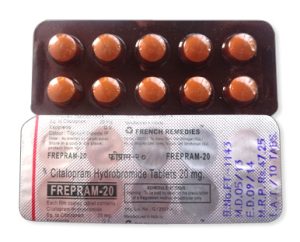
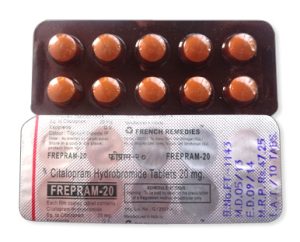
Cipramil
In stock
10mg · 20mg
from A$19.56
In brief
- In our pharmacy you can buy cipramil without a prescription with delivery across Australia; however, cipramil (citalopram) is officially prescription‑only in most countries, so availability without a receipt may vary by supplier and is not compliant with local regulations in some jurisdictions.
- Cipramil (active ingredient citalopram) is used to treat major depressive disorder and is sometimes prescribed off‑label for anxiety disorders, OCD and panic disorder; it is a selective serotonin reuptake inhibitor (SSRI) that increases serotonin levels by blocking its reuptake in the brain.
- Usual adult dose: start 20 mg once daily; typical dose 20–40 mg once daily; maximum recommended 40 mg/day (elderly, hepatic impairment and CYP2C19 poor metabolisers: max 20 mg/day).
- Administered orally as tablets (commonly 10 mg, 20 mg, 40 mg) or as an oral solution in some regions; taken once daily.
- Some patients notice initial effects within 1–2 weeks, but meaningful antidepressant benefit usually takes around 4–6 weeks of treatment.
- Duration of action: once‑daily dosing provides around 24 hours of effect; the elimination half‑life is approximately 35 hours, and treatment is often continued for months (6–12 months or longer for maintenance) as advised by a clinician.
- Alcohol warning: avoid or limit alcohol while taking cipramil — alcohol can increase drowsiness, impair judgement and worsen depression or anxiety.
- The most common side effects include nausea and dry mouth (very common), plus insomnia, drowsiness, increased sweating, tremor, diarrhoea and sexual dysfunction (decreased libido, anorgasmia, erectile dysfunction).
- Would you like to try cipramil without a prescription?
Availability & Price Landscape
Basic Cipramil Information
- INN (International Nonproprietary Name): Citalopram
- Brand Names Available In Australia: not specified
- ATC Code: N06AB04
- Forms & Dosages: Tablets (oral) 10 mg, 20 mg, 40 mg; oral solution 10 mg/mL (some regions)
- Manufacturers In Australia: not specified
- Registration Status In Australia: not specified
- OTC / Rx Classification: Prescription only (Rx) in all major markets
Where do Australians actually buy citalopram and how much should they expect to pay?
Many Australians find citalopram stocked across major chains and discount outlets such as Chemist Warehouse, Priceline and TerryWhite Chemmart.
Those chains routinely list generic citalopram and sometimes branded Celexa or Cipramil variants supplied via international channels.
Community pharmacists report steady demand for affordable generics and frequent telehealth e‑prescriptions that funnel customers to online retailers and click‑and‑collect services.
When the product is listed on a subsidy scheme or supplied under a brand substitution policy, out‑of‑pocket costs fall markedly compared with private supply.
Privately supplied 28‑tablet packs of 20 mg generics typically appear at lower price points in discount chains than branded imports.
Product formats available locally reflect global offerings, with film‑coated tablets commonly sold in 10 mg, 20 mg and 40 mg strengths.
Legal status in Australia is prescription‑only, and telehealth prescriptions are now a common access pathway into community and online pharmacies.
Price Band Comparison:
- National Chains (in-store): Lower private price band on generics for 28‑tablet packs; PBS pricing applies when subsidised.
- Online Pharmacies: Competitive private pricing on generics with occasional international branded imports; click‑and‑collect reduces courier costs.
- Discount Outlets: Often list the lowest private prices for 20 mg 28‑tablet packs, but stock varies by location.
Patient Insights & Satisfaction Levels
What do Australians say after taking cipramil for a few weeks or months?
Online forum reviews and ProductReview posts mix praise for symptom relief with frustration about side effects.
Common themes are improved mood and better sleep after several weeks, balanced by reports of nausea and sexual dysfunction.
Some patients report withdrawal effects when stopping suddenly, which encourages caution with tapering plans.
Rural patients value telehealth for faster access, but they highlight stock variability in regional pharmacies and occasional delivery delays.
Satisfaction tends to be higher where there is continuity of care, especially when pharmacists follow up after starting treatment.
Australians frequently compare citalopram with escitalopram for tolerability and with sertraline when anxiety symptoms are prominent.
Pharmacists also note patient questions about QT risk at higher doses and the potential need for ECGs if cardiac history is present.
Top Patient‑Reported Pros:
- Improved mood and reduced low mood after several weeks.
- Better sleep patterns for many users.
- Simple once‑daily dosing helps adherence.
Top Patient‑Reported Cons:
- Nausea and gastrointestinal upset on initiation.
- Sexual dysfunction (reduced libido, delayed orgasm).
- Withdrawal symptoms if stopped abruptly.
“Started feeling a bit brighter after three weeks, but the libido change was frustrating — pharmacist helped with a taper plan.”
Product Overview & Brand Variants
What names and formats might you see on the shelf or online?
The International Nonproprietary Name is citalopram and the drug class is a selective serotonin reuptake inhibitor (SSRI).
The global originator is Lundbeck, marketed as Cipramil or Celexa in different regions, while many generics are available from manufacturers such as ratiopharm, Sandoz, Mylan and others.
Pharmacies commonly stock generic citalopram tablets and may, at times, offer branded imports of Celexa or Cipramil depending on supplier arrangements.
Dosage forms sold globally and relevant to local practice are oral tablets in 10 mg, 20 mg and 40 mg strengths, and an oral solution exists in some regions.
Legally, citalopram is a prescription medicine and supply aligns with the Therapeutic Goods Administration framework for prescription medicines in Australia.
- INN
- Citalopram
- Brands
- Celexa, Cipramil, generic citalopram (brand availability in Australia not specified in the product registry)
- Forms
- Film‑coated tablets 10 mg / 20 mg / 40 mg; oral solution in some markets
| Strength | Typical Form |
|---|---|
| 10 mg | Tablet |
| 20 mg | Tablet |
| 40 mg | Tablet |
Indications In Local Medical Practice
When do GPs and specialists choose cipramil for patients?
Citalopram is primarily prescribed for major depressive disorder, which reflects its core licence internationally.
Australian prescribers follow TGA directions and base treatment on evidence for depression, with an acute treatment trial commonly lasting four to six weeks before assessing effect.
Off‑label use in Australia occurs for anxiety spectrum disorders such as generalised anxiety disorder, panic disorder and obsessive compulsive disorder on a clinician‑by‑clinician basis.
GPs frequently initiate the medicine after a risk assessment and communicate monitoring needs to pharmacists to support adherence and safety.
Treatment for a single depressive episode usually continues for six to nine months, with maintenance continuing longer for recurrent illness.
When prescribing off‑label, clinicians balance potential benefit against age‑related risks and cardiac safety at higher doses.
- Licensed Indication: Major depressive disorder (MDD)
- Common Off‑Label Uses: Generalised anxiety disorder, panic disorder, OCD (clinician judgement)
Clinician Note
Antidepressant benefit generally takes 4–6 weeks, and the usual maintenance phase is 6–12 months for first episodes.
How It Works In The Body
How does cipramil help mood and anxiety in simple terms?
Citalopram is an SSRI that increases serotonin availability in brain synapses, which helps regulate mood and anxiety over several weeks.
Clinically, it is classified under ATC code N06AB04 as a selectively acting SSRI.
The drug inhibits the serotonin transporter (SERT), preventing reuptake of serotonin and increasing synaptic serotonin levels.
Longer‑term antidepressant effects arise from downstream receptor adaptations that occur over weeks rather than immediately.
Oral film‑coated tablets provide predictable absorption in most adults, but dose adjustments are needed in the elderly, in hepatic impairment and in CYP2C19 poor metabolisers.
Risks to note include serotonin syndrome with interacting serotonergic medicines and dose‑dependent QT prolongation at higher exposures.
| Mechanism | Clinical Effect |
|---|---|
| Inhibits serotonin transporter (SERT) | Increases synaptic serotonin → mood and anxiety improvement over weeks |
Dosage & Administration
What dose will my GP usually start and how might it change?
The typical adult starting dose for major depressive disorder is 20 mg once daily.
Maintenance dosing commonly ranges from 20 mg to 40 mg once daily, with a recommended maximum of 40 mg per day because of QT prolongation risk.
Onset of clinical effect is usually seen over 4–6 weeks, and treatment for a single episode typically continues for six to nine months.
Special populations need lower maximum doses: elderly patients over 60 years, patients with hepatic impairment and CYP2C19 poor metabolisers should generally be limited to a maximum of 20 mg daily.
Renal impairment in mild to moderate cases usually does not require dose adjustment but monitoring is advised; there is limited data for severe renal disease and caution is warranted.
Titrate slowly when increasing dose and taper gradually when stopping to reduce withdrawal symptoms.
| Population | Typical Recommendation |
|---|---|
| Adult (MDD) | Start 20 mg once daily; maintenance 20–40 mg; max 40 mg/day |
| Elderly / Hepatic Impairment / CYP2C19 Poor Metabolisers | Max 20 mg once daily |
| Renal Impairment (mild‑moderate) | No adjustment usually; monitor |
- Start at 20 mg, review at 2–4 weeks for effect and tolerability.
- Taper over several weeks when discontinuing; adjust slower if side effects occur.
Contraindications & Side Effects
Who should not take cipramil and what problems should be watched for?
Absolute contraindications include recent or concurrent MAO inhibitor use (within 14 days), concomitant pimozide, and known hypersensitivity to citalopram formulation components.
Relative contraindications include a history or family history of long QT syndrome, bradycardia, and significant electrolyte disturbances such as hypokalaemia or hypomagnesaemia.
Common adverse effects include nausea and dry mouth, plus sleep disturbance, sweating, tremor, diarrhoea and sexual dysfunction.
Rare but serious risks reported in Australian practice and global summaries include dose‑dependent QT prolongation, SIADH with hyponatraemia in the elderly, serotonin syndrome with interacting serotonergic medicines and increased bleeding risk when combined with NSAIDs or anticoagulants.
| Common | Rare But Serious |
|---|---|
| Nausea, dry mouth, insomnia, somnolence, sweating, tremor, diarrhoea, sexual dysfunction | QT prolongation (dose‑dependent), SIADH/hyponatraemia, serotonin syndrome, major bleeding risk with anticoagulants |
- QT Prolongation
- Prolonged cardiac repolarisation increasing arrhythmia risk; more likely at doses above the recommended maximum.
- Serotonin Syndrome
- A potentially life‑threatening reaction when combined with other serotonergic agents; look for agitation, hyperreflexia, fever and autonomic instability.
Comparable Medicines
Which other SSRIs might a prescriber consider instead of cipramil?
Common alternatives are escitalopram, sertraline, fluoxetine and paroxetine, all of which are routinely considered in Australian practice.
| Drug | Typical PBS Status | Pros & Cons |
|---|---|---|
| Escitalopram | Check current PBS listings | Often better tolerated in some patients; cost varies by brand and subsidy. |
| Sertraline | Check current PBS listings | Useful for comorbid anxiety and PTSD; gastrointestinal side effects common. |
| Fluoxetine | Check current PBS listings | Long half‑life can help adherence; activating effects in some patients. |
| Paroxetine | Check current PBS listings | Effective but higher anticholinergic effects and stronger withdrawal syndrome. |
Cost to the patient depends on PBS subsidy versus private supply, so pharmacists should check PBS Online for up‑to‑date listing and concession pricing when discussing alternatives.
Current Research & Trends
What has recent evidence told clinicians about safety and prescribing patterns?
Post‑2018 research emphasised cardiac safety and QT prolongation risk, which has encouraged conservative dosing and lower maximums in at‑risk groups.
Between 2022 and 2025, cohort studies and prescribing audits documented increased use of generic citalopram in discount chains and growth in telehealth prescribing pathways.
Pharmacy practice research highlights rising pharmacist involvement in monitoring side effects and adherence when patients start SSRIs.
Ongoing trials compare citalopram with escitalopram in older adults for tolerability and examine pharmacogenomic guidance for CYP2C19 to individualise dosing.
What This Means For You:
Expect cautious dose selection for older adults and people with cardiac risk factors, and active pharmacist follow‑up when initiating treatment.
Selected Citations: Regulatory and product data summarised in national product registries and regulatory approvals inform clinical guidance.
Common Patient Questions
How Long Until I Feel Better?
Most people notice some benefit within 2–4 weeks, with fuller antidepressant effect often at 4–6 weeks.
Can I Stop Quickly If I Feel Fine?
No, stopping suddenly risks withdrawal such as dizziness and sensory disturbances; taper slowly with a prescriber or pharmacist plan.
Is It Safe With Other Medicines?
Screen for MAO inhibitors, pimozide, other serotonergic antidepressants, anticoagulants and strong CYP2C19 inhibitors.
Do I Need An ECG?
An ECG is advised for people with cardiac history, family long QT syndrome, or when considering doses near the 40 mg limit.
What About Pregnancy Or Breastfeeding?
Discuss risks and benefits with the prescriber; treatment decisions are individual and depend on severity of illness and alternatives.
Regulatory Status
Is citalopram approved and subsidised locally?
Citalopram is approved by major regulators internationally, with FDA approval in 1998 for adult depression and EMA approvals in Europe.
In Australia, citalopram preparations are listed as prescription medicines under the Therapeutic Goods framework, and supply depends on sponsor ARTG entries and product listings.
PBS subsidy availability and item numbers vary by formulation and brand, so pharmacists should check PBS Online for current details and concession pricing.
| Regulator | Notes |
|---|---|
| FDA (USA) | Approved 1998 for adult depression |
| EMA (EU) | Approved; national agencies hold product specifics |
Visual Recommendations
Which visuals help patients understand use and cost?
Recommended assets include a PBS vs private cost infographic, a dosage flowchart from initiation to taper, and a concise safety checklist for QT risk and interactions.
Responsive SVGs and an accordion for FAQs help with site speed and mobile readability, and a downloadable one‑page pharmacist counselling checklist aids follow‑up.
Buying & Storage Advice
How should Australians order and store cipramil safely?
Obtain a valid prescription; telehealth e‑prescriptions are accepted by most national chains.
Community pharmacy pickup is preferred for counselling and immediate interaction, though online orders are suitable for repeat supplies if the supplier is reputable.
Check pack size (28 vs 98 tablets) and expiry dates, and confirm generics are genuine and ARTG‑listed where applicable.
Store at 20–25°C, away from moisture and direct sunlight, and avoid storing tablets in the bathroom where humidity is high.
Keep medicines in original packaging and out of reach of children.
In our online pharmacy, cipramil is available without a prescription, with discreet delivery to Australia in 9‑21 days.
Guidelines For Proper Use
What should pharmacists do when dispensing citalopram?
Verify the indication and review the full medication history for MAOI, pimozide and other serotonergic interactions.
Counsel on expected onset (4–6 weeks), common side effects and the risk of sexual dysfunction.
Recommend ECG or cardiology referral if cardiac history or family long QT is present, and limit dose in elderly or hepatic impairment to 20 mg daily.
Confirm renal and hepatic status and advise monitoring sodium in at‑risk patients for SIADH/hyponatraemia.
Document counselling and liaise with the GP for shared care, providing printed information and a taper schedule template where appropriate.
- Pharmacist Actions
- Screen for interactions, counsel on side effects, advise ECG referral for cardiac risk, and arrange follow‑up.
- Patient Checklist
- Know your dose, report palpitations or severe dizziness, avoid abrupt stopping, and keep follow‑up appointments.
Delivery Across Australia
| City | Region | Delivery time |
|---|---|---|
| Sydney | New South Wales | 9-14 days |
| Melbourne | Victoria | 9-14 days |
| Brisbane | Queensland | 9-14 days |
| Perth | Western Australia | 9-14 days |
| Adelaide | South Australia | 9-14 days |
| Canberra | Australian Capital Territory | 9-14 days |
| Hobart | Tasmania | 9-14 days |
| Darwin | Northern Territory | 9-14 days |
| Gold Coast | Queensland | 9-14 days |
| Newcastle | New South Wales | 14-21 days |
| Wollongong | New South Wales | 14-21 days |
| Geelong | Victoria | 14-21 days |
| Cairns | Queensland | 14-21 days |
| Townsville | Queensland | 14-21 days |
Final Notes
If you have questions about dosing, side effects or interactions, ask your pharmacist or prescriber before changing treatment.
Keep a list of all medicines and supplements you take and bring it to every consultation to reduce interaction risk.
For safety, check current PBS listings and ARTG entries when cost or brand supply is a deciding factor, and ask the pharmacist for alternatives if stock is limited.