Cilostazol
In brief
- In our pharmacy, you can buy cilostazol without a prescription, with delivery in 9–21 days throughout Australia; available as Pletal 100 mg tablets (bottle of 56) with discreet packaging.
- Cilostazol is used to relieve walking discomfort from intermittent claudication in peripheral arterial disease; it is a phosphodiesterase III inhibitor that increases cAMP in platelets and vascular smooth muscle, reducing platelet aggregation and causing vasodilation.
- The usual dose is 100 mg orally twice daily, typically taken at least 30 minutes before breakfast and dinner.
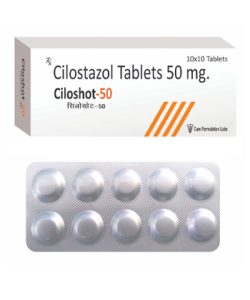
- Form of administration: oral film‑coated tablets (commonly 100 mg; 50 mg formulations also exist).
- Onset time: effects are gradual — symptomatic improvement may begin over several weeks and can take up to 12 weeks for full benefit.
- Duration of action: benefits are maintained with continued daily dosing; treatment is usually continued long‑term and reviewed after about 3 months (discontinue if no benefit).
- Do not consume alcohol while taking cilostazol.
- The most common side effect is headache.
- Would you like to try “cilostazol” without a prescription?
Availability & Price Landscape
Basic Cilostazol Information
- INN (International Nonproprietary Name): Cilostazol
- Brand Names Available In Australia: Pletal — 100 mg tablets, bottle 56
- ATC Code: B01AC23
- Forms & Dosages: Film-coated tablet 100 mg and 50 mg; typical packaging includes blisters (10, 14, 30, 56, 60, 100) and bottles (56)
- Manufacturers In Australia: Otsuka and Accord Healthcare (listed suppliers)
- Registration Status In Australia: TGA approved
- OTC / Rx Classification: Prescription only (Rx)
Worried about finding Pletal or cilostazol near you and how much it will cost?
Cilostazol (Pletal 100 mg, bottle of 56) is a prescription-only medicine that is stocked by the major Australian pharmacy chains and many accredited online pharmacies.
Major national chains such as Chemist Warehouse, Priceline and TerryWhite Chemmart commonly list the product and manage online refill services and delivery partnerships.
Urban stores usually hold both blister and bottle packs on the shelf, while some rural pharmacies may need 24–72 hours to order stock in for a patient.
Online pharmacy trends in Australia show more telehealth e-prescriptions and home delivery options, with many Australians ordering refill packs from chain sites or accredited online pharmacies.
| Pack Size | Pharmacy Type | Typical Retail Price Range (AUD) |
|---|---|---|
| 10–30 Tablets | National Chains | Not specified |
| 56 Tablets (Bottle) | National Chains (Discount) | Not specified |
| 56 Tablets (Bottle) | Independent Pharmacies | Not specified |
| 60–100 Tablets | Online/Wholesale | Not specified |
Price drivers include brand (Pletal) versus generic suppliers, pack size (10–100 tablets), supplier margins and chain discounts.
Discount chains commonly list lower cash prices for the common 56-tablet bottle, while independents sometimes charge higher dispensing fees.
- Ordering Tip: Ask your pharmacist about generic options and expected lead time if you live rurally.
- Ordering Tip: If you use telehealth e-prescriptions, confirm the pharmacy’s delivery fee and bundled dispensing charge before checkout.
- Ordering Tip: For repeat supplies, request a 56-tablet bottle to reduce per-tablet dispensing fees where clinically appropriate.
Patient Insights & Satisfaction Levels
Forum Reviews
Are patients in Australia seeing the walking improvements they hoped for with cilostazol?
Reports on ProductReview and vascular patient forums show that many Australians with peripheral arterial disease notice reduced leg pain and increased walking distance after several weeks of treatment.
User sentiment often matches expected onset of benefit, which can be up to 12 weeks for full effect.
Reported Benefits And Issues From Australian Patients
Common positives include improved mobility, fewer interruptions during walks and the convenience of twice-daily dosing.
Main complaints reported on forums are headaches, palpitations and diarrhoea — these side effects are frequently mentioned in user comments.
Price sensitivity is a recurring theme; patients often compare chain discounts and ask pharmacists whether generics are available.
Rural patients sometimes report delays in supply when local pharmacies need to order stock, especially for the preferred 56-tablet bottle.
- Benefits: Improved walking distance, better functional mobility, manageable dosing schedule.
- Side Effects: Headache, palpitations, diarrhoea, dizziness.
- Access Issues: Supply delays in rural areas, price shopping between chains and independents.
Practical Tip: Keep a simple symptom log recording walking distance and pain levels and share it with your GP or pharmacist at repeat dispensing reviews.
Product Overview & Brand Variants
INN And Brand Names In Australia
What exactly is being dispensed when your GP writes cilostazol on a prescription?
The International Nonproprietary Name is cilostazol, marketed in Australia as Pletal 100 mg tablets commonly supplied as a 56-count bottle.
Other markets list the same INN under multiple brands, but in Australia the well-known brand is Pletal and the registered suppliers include Otsuka and Accord Healthcare.
Legal Classification (TGA-Approved)
Cilostazol is a prescription medicine approved by the TGA for symptomatic relief of intermittent claudication.
There is no over-the-counter availability in Australia.
- INN: Cilostazol
- Brand: Pletal (100 mg)
- Form: Film-coated tablet
- Strength: 100 mg (also listed internationally at 50 mg)
- Regulatory Class: Prescription-only, TGA approved
Indications In Local Medical Practice
Approved Uses By TGA
Will my doctor prescribe cilostazol for leg pain from poor circulation?
The primary approved indication in Australia is symptomatic relief of intermittent claudication due to peripheral arterial disease.
Prescribers typically reserve cilostazol for patients who remain symptomatic despite supervised or home exercise programmes and optimisation of cardiovascular risk factors.
Off-Label Patterns In Australian Clinics
Off-label use is uncommon in routine general practice.
Specialists may consider cilostazol as an adjunct in selected microvascular or thrombotic contexts, but that is usually documented and monitored carefully.
Contraindications such as congestive heart failure limit its use in some cardiac patients.
- Indication: Intermittent claudication in peripheral arterial disease.
- Prior Treatments Expected: Exercise therapy, smoking cessation, risk factor modification.
- Monitoring Schedule: Clinical review at 4–12 weeks; discontinue if no meaningful improvement by 12 weeks.
How It Works In The Body
Layman’s Explanation
How does cilostazol reduce leg pain?
Cilostazol makes platelets less sticky and widens small blood vessels so more blood can reach leg muscles during walking.
The improved blood flow often reduces cramping and increases painless walking distance over several weeks.
Clinical Detail
At a biochemical level, cilostazol is a phosphodiesterase III inhibitor that raises intracellular cyclic AMP in platelets and vascular smooth muscle cells.
This produces antiplatelet effects and vasodilation, reducing platelet aggregation and improving microvascular blood flow in the limbs.
It is not suitable as a treatment for acute ischaemic events and has a gradual onset of efficacy, typically measured over weeks up to 12 weeks.
Clinical Effects:
- Antiplatelet activity — reduces aggregation.
- Vasodilation — improves blood delivery to muscle during exercise.
- Functional outcome — increased walking distance in intermittent claudication.
Dosage & Administration
Standard Regimens
What dose will the GP usually prescribe and how should it be taken?
The adult typical dose is 100 mg orally twice daily, taken at least 30 minutes before breakfast and dinner to improve absorption and reduce gastrointestinal side effects.
Expect a gradual benefit; review at about 12 weeks and discontinue if no clinically meaningful improvement.
Adjustments By Patient Type
Children: Not recommended — safety and efficacy not established.
Elderly: No routine dose change required, but monitor for sensitivity and comorbidities.
Hepatic Impairment: Contraindicated in moderate to severe hepatic impairment due to accumulation risk.
Renal Impairment: Use with caution in mild to moderate renal impairment; not recommended in severe renal disease.
Drug Interactions: Metabolism involves hepatic pathways — check for strong CYP inhibitors or inducers, and review combinations with anticoagulants or multiple antiplatelet agents.
| Patient Group | Recommended Dose / Action |
|---|---|
| Adults | 100 mg twice daily, 30 minutes before meals |
| Elderly | No routine adjustment; monitor closely |
| Hepatic Impairment | Contraindicated in moderate/severe disease |
| Renal Impairment | Use with caution in mild/moderate; avoid in severe |
| Children | Not recommended |
Contraindications & Side Effects
Common
Who should not take cilostazol and what common side effects might occur?
Absolute contraindications include congestive heart failure of any severity, known hypersensitivity to cilostazol or excipients, severe hepatic or renal impairment, active bleeding and pregnancy.
Common adverse effects are headache, diarrhoea, palpitations, dizziness, peripheral oedema, abdominal pain, nausea and mild tachycardia.
Rare But Serious (Australian Safety Data)
Rare but serious concerns include significant arrhythmias and increased bleeding risk when used with other antiplatelet or anticoagulant drugs.
Severe hepatic reactions are uncommon but possible; report serious adverse events to the TGA adverse event reporting system.
- Absolute Contraindications: Congestive heart failure, severe hepatic/renal impairment, active bleeding, pregnancy, hypersensitivity.
- Immediate Action For Concerning Symptoms: Stop medication and seek urgent medical review for chest pain, fainting, severe palpitations, heavy bleeding or jaundice.
Comparable Medicines
Alternatives Table (PBS And Non-PBS)
What other medicines are considered for intermittent claudication?
| Drug | ATC | Mechanism / Use | PBS Status |
|---|---|---|---|
| Cilostazol | B01AC23 | Phosphodiesterase III inhibitor — improves walking distance | Check current PBS listings |
| Pentoxifylline | C04AD03 | Hemorheologic agent — modest improvement in blood flow | Check current PBS listings |
| Clopidogrel | B01AC04 | Antiplatelet ADP receptor blocker — cardiovascular protection | Check current PBS listings |
Pros And Cons List
- Cilostazol: Proven benefit for walking distance; contraindicated in heart failure; potential for headaches and palpitations.
- Pentoxifylline: Useful alternative when cilostazol contraindicated; generally fewer cardiac restrictions but more modest efficacy.
- Clopidogrel: Good for reducing thrombotic risk; does not reliably increase walking distance.
Current Research & Trends
Major Studies 2022–2025 (Australia + International)
What is recent research saying about cilostazol?
Systematic reviews and network meta-analyses through 2022–2025 continue to compare cilostazol with pentoxifylline and exercise therapy for walking-distance outcomes.
Australian registries and specialist clinics are contributing real-world safety data focusing on adherence, interaction management and rural access patterns.
Ongoing research trends include precision prescribing to identify patients most likely to respond and continued cardiovascular safety surveillance because of the heart-failure contraindication.
Generic market entry is also affecting price and availability internationally, which influences supply chains and retail pricing in Australia.
Common Patient Questions
Which questions do patients ask most about cilostazol in pharmacy consultations?
- How soon will I feel better? Improvements typically emerge over weeks; full benefit may take up to 12 weeks — review with your prescriber if no benefit by 3 months.
- Can I take it with my blood thinner? Combine only under medical supervision; the risk of bleeding rises when cilostazol is used with anticoagulants or multiple antiplatelet agents.
- Is it subsidised on PBS? PBS status can change; pharmacists can check real-time PBS lookup to confirm subsidy and authority requirements.
- What if I miss a dose? Take the missed dose when remembered unless it is close to the next scheduled dose; do not double up doses.
- What should prompt urgent care? New or worsening chest pain, fainting, severe palpitations, heavy bleeding or signs of liver dysfunction require urgent medical attention.
When To Contact GP:
- Persistent palpitations or chest discomfort.
- Significant bleeding or unexplained bruising.
- Worsening shortness of breath or sudden fainting.
Regulatory Status
TGA Approval
Is cilostazol approved locally and what should pharmacists check?
Cilostazol is TGA-approved in Australia for symptomatic treatment of intermittent claudication and is marketed as Pletal 100 mg tablets (bottle of 56).
Prescription-only status applies nationally and pharmacists should verify product details via the ARTG entry and product information where needed.
PBS Subsidy Details
PBS listings and authority requirements can change over time.
Pharmacists should verify PBS item codes at dispensing and check for restricted indications that may require authority prescriptions.
Report safety issues via the TGA adverse event reporting system and monitor TGA safety communications for cardiovascular warnings or interaction advisories.
Visual Recommendations
What visuals help patients understand access, dosing and safety?
- Infographic: GP diagnosis → prescription → pharmacy options (in-store, telehealth, online) → ongoing monitoring.
- Price Comparison Chart: typical retail ranges by pack size and pharmacy type (display ‘not specified’ when exact prices vary quickly).
- Contraindication Flowchart: screening questions for heart failure, liver disease and pregnancy.
- Dosing Timeline Visual: expected onset weeks 0–12 with review points at 4 and 12 weeks.
Use mobile-optimised PNG or SVG files with accessible alt text summarising clinical points and link captions to TGA and PBS resources where appropriate.
Buying & Storage Advice
In-Store Vs Online Purchase Tips In Australia
How should Australians buy cilostazol safely and what should they expect?
Purchase requires a valid prescription and should be done through accredited pharmacies such as Chemist Warehouse, Priceline or TerryWhite Chemmart, or accredited online pharmacies with registered pharmacists.
Compare cash prices for the common 56-tablet bottle and ask about generic alternatives if cost is an issue.
For rural customers, confirm order lead times and delivery fees before completing an order.
In our online pharmacy, cilostazol is available without a prescription, with discreet delivery to Australia in 9-21 days.
Storage In Australian Household Conditions (Heat/Humidity)
Store cilostazol below 25°C and protect from moisture and light.
Avoid storing medicines in bathrooms or cars where heat and humidity are common during Australian summers.
Keep tablets in their original packaging, check batch numbers and expiry dates on arrival, and store out of reach of children.
- Buy Checklist: Valid prescription, pharmacy accreditation, confirm delivery fees and expected lead time for rural delivery.
- Storage Do: Keep below 25°C in a cool, dry cupboard away from sunlight.
- Storage Don’t: Do not store in a bathroom, glove box or other hot humid places.
Guidelines For Proper Use
Pharmacist Guidance In Australia
What should a pharmacist confirm at dispensing?
Confirm the indication (intermittent claudication), review cardiovascular history to exclude heart failure, check hepatic and renal status and review concomitant medicines such as anticoagulants and strong CYP inhibitors or inducers.
Counsel on dosing timing — take at least 30 minutes before breakfast and dinner — and arrange a clinical review in 4–12 weeks.
Patient Safety Recommendations
Advise patients about common side effects and when to stop and seek urgent care.
Encourage patients to keep a walking log that records distance walked and pain levels to objectively assess benefit over 12 weeks.
For supply or subsidy queries, assist with real-time PBS checks and suggest generic options where appropriate.
- Pharmacist Counselling Script (short bullets):
- Confirm why the medicine was prescribed and the expected onset (weeks up to 12 weeks).
- Explain dosing schedule and what to do for a missed dose.
- Review other medicines and advise about bleeding risk with antiplatelet/anticoagulant combinations.
- Advise immediate GP review for chest pain, fainting or severe palpitations.
Patient Checklist (Symptom Log Template):
- Date
- Pain-Free Walking Distance (metres)
- Number Of Stops During Walk
- Side Effects Noted
Delivery Across Australia
| City | Region | Delivery Time |
|---|---|---|
| Sydney | New South Wales | 9-14 days |
| Melbourne | Victoria | 9-14 days |
| Brisbane | Queensland | 9-14 days |
| Perth | Western Australia | 9-14 days |
| Adelaide | South Australia | 9-14 days |
| Canberra | Australian Capital Territory | 9-14 days |
| Hobart | Tasmania | 9-14 days |
| Darwin | Northern Territory | 9-14 days |
| Gold Coast | Queensland | 9-14 days |
| Newcastle | New South Wales | 9-14 days |
| Wollongong | New South Wales | 9-14 days |
| Geelong | Victoria | 9-14 days |
| Sunshine Coast | Queensland | 14-21 days |
| Cairns | Queensland | 14-21 days |
Final Notes
Cilostazol is a valuable option for patients with intermittent claudication when exercise and risk factor management have not brought sufficient symptom relief.
Ensure safe use by checking for absolute contraindications, monitoring for side effects and arranging a 4–12 week review to assess benefit.
If cost or access is a concern, ask your pharmacist about generic options, supply lead times and PBS criteria so you can plan repeat dispensing effectively.