Actigall
In brief
- Available from pharmacies and e‑pharmacies; officially ursodeoxycholic acid (actigall) is prescription‑only in most countries, but in our pharmacy you can buy actigall without a prescription or receipt with delivery across Australia (discreet packaging, 9–21 day delivery).
- Actigall (ursodeoxycholic acid) is used to dissolve non‑calcified cholesterol gallstones, prevent gallstones during rapid weight loss and treat primary biliary cholangitis; it is a hydrophilic bile acid that reduces bile cholesterol saturation, promotes bile flow (choleretic effect) and protects hepatocytes by replacing more toxic bile acids.
- Usual doses: for gallstone dissolution 8–10 mg/kg/day (many adults use 300 mg twice daily); prevention during rapid weight loss 300 mg twice daily; for primary biliary cholangitis 13–15 mg/kg/day divided into two or three doses.
- Oral administration as capsules (commonly 300 mg) or tablets (250 mg, 500 mg); swallow with water, taken with or after food as advised by a clinician.
- Onset: symptomatic improvement can begin in days to weeks for cholestatic symptoms and liver tests, but gallstone dissolution is slow—improvement is usually seen over months and requires imaging to confirm.
- Duration of action: clinical effects persist while the drug is continued (pharmacologic half‑life is in the order of days); gallstone therapy typically continues 6–24 months and primary biliary cholangitis requires long‑term maintenance therapy.
- Alcohol warning: avoid or limit alcohol intake—especially important if you have liver disease, as alcohol can worsen liver injury and reduce the safety and effectiveness of treatment.
- The most common side effect is diarrhoea (other frequent effects include nausea and mild abdominal pain).
- Would you like to try actigall without a prescription?
Basic Actigall Information
- INN (International Nonproprietary Name): Ursodeoxycholic Acid (commonly referred to as ursodiol).
- Brand Names Available In Australia: Not specified.
- ATC Code: A05AA02.
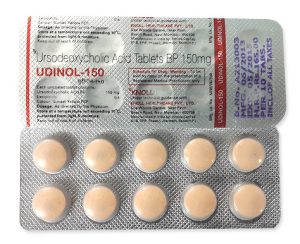
- Forms & Dosages: Capsule 300 mg; tablet 250 mg and 500 mg.
- Manufacturers In Australia: Not specified.
- Registration Status In Australia: Not specified.
- OTC / Rx Classification: Prescription-only (Rx) in major markets.
Availability & Price Landscape (Pharmacy Product Page Framing)
National Pharmacy Chains (Chemist Warehouse, Priceline, TerryWhite)
Customers often ask where they can get actigall or ursodeoxycholic acid locally.
Major Australian pharmacy chains commonly source generics from multinational suppliers, though specific Australian brand names are not specified in the product data.
Chains such as discount retailers and full-service pharmacies generally dispense prescription medicines and can order in stock where necessary.
Pharmacies will require a valid prescription for dispensing, consistent with the Rx classification in major markets.
For online ordering, most chains accept electronic prescriptions issued via telehealth services and forward for courier delivery.
Supply and brand availability may differ between stores, so checking the pharmacy stock list is advised before travel or treatment starts.
Online Pharmacy Trends In Australia
Telehealth e-prescriptions and online pharmacies have increased access for rural and remote patients seeking ursodeoxycholic acid.
Customers value discreet courier delivery and the ability to compare generic manufacturers such as Teva or Sandoz when available.
Actual Australian brand registrations and pack images are not specified in the supplied product data and should be confirmed at point of sale.
Online pharmacies typically require an uploaded prescription prior to dispatch and adhere to storage and transport requirements below 25°C.
Price Ranges By Package Size (PBS Vs Private)
Price data for Australia is not specified in the provided product information.
If an indication is not covered on the PBS, expect private prescription pricing to vary by pack size and manufacturer.
Common international pack strengths include 250 mg, 300 mg and 500 mg but Australian pack counts and pricing are not specified here.
A simple comparison table for quick decisions is useful for shoppers; below is a template populated with available factual details and placeholders where price is not specified.
| Strength | Common Pack Types | PBS Subsidy | Typical Price Range (AUD) |
|---|---|---|---|
| 250 mg | Tablets (pack count varies) | Not specified | Not specified |
| 300 mg | Capsules (bottles common in US) | Not specified | Not specified |
| 500 mg | Tablets (pack count varies) | Not specified | Not specified |
Patient Insights & Satisfaction Levels
Forum Reviews (ProductReview, Aussie Health Forums)
Shoppers want real-world feedback on effectiveness and tolerability before committing to months of treatment.
Australian forum threads commonly report that patients using ursodeoxycholic acid see benefits for small cholesterol stones and for cholestatic liver conditions.
Users often discuss supply issues and brand differences when the Actigall brand is not stocked locally.
Rural patients frequently comment on the value of telehealth and courier dispensing but express sensitivity to private prescription costs.
Reported Benefits And Issues From Australian Patients
Reported positives include avoidance of surgery for small non-calcified stones and reduction in biliary pain episodes after months of treatment.
Patients with primary biliary cholangitis report improvements in liver blood tests with long-term therapy under specialist care.
Common complaints are gastrointestinal side effects such as diarrhoea and nausea and the slow onset of action for stone dissolution.
For a product page, include anonymised patient vignettes, verified customer comments and a short pros and cons summary to aid purchasing decisions.
A small table of reported side-effect incidence from supplier safety information helps shoppers weigh benefits and harms.
| Side Effect | Reported Incidence |
|---|---|
| Diarrhoea | Common (from supplier safety info) |
| Nausea | Common |
| Rash | Uncommon |
Product Overview & Brand Variants
INN And Brand Names In Australia
Clear product identity reduces substitution errors at the pharmacy counter.
The International Nonproprietary Name is ursodeoxycholic acid, commonly referred to as ursodiol.
Actigall is an established brand in the USA and Canada, typically as 300 mg capsules.
Other international trade names include Urso and Urso 250 in the US market and various generics from Teva and Sandoz in other regions.
Brand names available specifically in Australia are not specified in the supplied product data, so confirm the label at dispensing.
Legal Classification (TGA-Approved)
Ursodeoxycholic acid is classified as a prescription-only medicine in major markets, according to the provided data.
Australian registration specifics are not specified in the raw data, so customers should confirm registration and product details with the Australian Register of Therapeutic Goods.
For a product page, present a concise definition list and a compact table mapping brand by country and strength to reduce confusion for international travellers.
Indications In Local Medical Practice
Approved Uses By TGA
TGA-approved wording should be checked on the Australian Register of Therapeutic Goods for exact local indications and wording.
Based on the supplied data, ursodeoxycholic acid is used for dissolution of non-calcified cholesterol gallstones and prevention of gallstones during rapid weight loss.
The medicine is also used as long-term therapy for primary biliary cholangitis with specialist supervision.
Off-Label Patterns In Australian Clinics
Clinicians sometimes use ursodeoxycholic acid in certain cholestatic conditions under specialist oversight, though paediatric use is limited by lack of established safety data for under 18s.
Typical regimens from the data are 8–10 mg/kg/day for gallstone dissolution, 300 mg twice daily for prophylaxis in rapid weight loss, and 13–15 mg/kg/day divided for PBC.
Monitoring with imaging and liver function tests is essential while on therapy.
| Indication | Typical Regimen | Monitoring |
|---|---|---|
| Gallstone Dissolution | 8–10 mg/kg/day (often 300 mg twice daily) | Ultrasound; LFTs |
| Prevention During Rapid Weight Loss | 300 mg twice daily | Clinical review |
| Primary Biliary Cholangitis | 13–15 mg/kg/day divided | Regular LFTs; specialist review |
How It Works In The Body
Layman’s Explanation
People want to know how a bile acid can help their gallbladder or liver.
Ursodeoxycholic acid is a bile acid that makes bile less likely to form cholesterol crystals and helps bile flow from the liver into the gut.
This gradual change in bile composition can dissolve small cholesterol stones and improve bile-related liver conditions over months.
Clinical Detail (Mechanism)
Clinically, UDCA is a hydrophilic bile acid that replaces more cytotoxic bile acids in the bile acid pool.
It reduces cholesterol secretion into bile, promotes choleresis and provides hepatocellular cytoprotection.
Additional effects include immunomodulatory and anti-apoptotic actions that are relevant in primary biliary cholangitis management.
For a product page, a small labelled mechanism infographic with a brief glossary (choleresis, cytoprotection) helps both clinicians and patients understand action and benefits.
Dosage & Administration (Practical Pharmacy Guidance)
Standard Regimens
Patients frequently ask about typical dosing tied to pack strengths.
For gallstone dissolution, standard adult dosing is 8–10 mg/kg/day, often represented as 300 mg twice daily for an average adult.
Prevention during rapid weight loss is commonly 300 mg twice daily.
Primary biliary cholangitis dosing is higher, at about 13–15 mg/kg/day given in divided doses.
Adjustments By Patient Type (Elderly, Children, Liver Disease)
Children under 18 have limited established safety and efficacy data, so specialist input is usually required for paediatric dosing.
Elderly patients do not routinely require dose adjustment, but monitor closely for comorbid liver or renal dysfunction.
Avoid use in decompensated cirrhosis or complete biliary obstruction and use caution in advanced liver disease.
A short checklist for dispensing should include weight-based dosing confirmation, instruction to take with food, and monitoring plan for LFTs and imaging.
| Indication | Typical Total Daily Dose | Pack Examples |
|---|---|---|
| Gallstone Dissolution | 8–10 mg/kg/day | 300 mg capsules; 250 mg tablets |
| Prevention (Bariatric) | 300 mg twice daily | 300 mg capsules |
| PBC | 13–15 mg/kg/day divided | 250 mg, 500 mg tablets |
Contraindications & Side Effects (Safety-First)
Common Side Effects
Safety is a key topic in counselling and product pages.
Absolute contraindications include complete biliary or gallbladder obstruction and known hypersensitivity to ursodeoxycholic acid.
Common adverse effects are gastrointestinal and include diarrhoea, nausea and mild abdominal pain.
Other reported effects include rash, back pain and headache.
Rare But Serious (Australian Safety Context)
Severe allergic reactions are very rare but require urgent medical attention.
Patients with decompensated liver disease or acute biliary infection should stop the medicine and seek immediate specialist review.
Advise patients to report adverse events to the Therapeutic Goods Administration via the TGA Adverse Event Management System.
A compact “When To Stop” callout on the product page is useful for safety-critical signs such as jaundice worsening, fever with abdominal pain, or breathing difficulty.
Comparable Medicines (Competitor Analysis)
Alternatives Table (PBS And Non-PBS)
Customers often compare UDCA with other agents when deciding treatment paths.
Chenodiol (chenodeoxycholic acid) is an alternative used for stone dissolution but carries a higher hepatotoxicity risk.
Obeticholic acid is an alternative therapy for PBC with different monitoring needs and cost considerations.
Bile acid sequestrants are used for cholestatic pruritus but are unrelated for gallstone dissolution.
| Drug | Licensed Indication | Typical Dosing | Safety Highlights |
|---|---|---|---|
| Ursodeoxycholic Acid | Gallstone dissolution; PBC | 8–15 mg/kg/day depending on indication | Well tolerated; slow action for stones |
| Chenodiol | Gallstone dissolution (select regions) | Varies | Higher hepatotoxicity risk |
| Obeticholic Acid | Primary Biliary Cholangitis | As per specialist guidance | Cost and pruritus risk |
Pros And Cons List
- Ursodeoxycholic Acid: Pros — generally well tolerated and effective for PBC; Cons — slow for gallstone dissolution and ineffective for calcified stones.
- Chenodiol: Pros — alternative for stone dissolution; Cons — greater hepatotoxicity risk.
- Obeticholic Acid: Pros — option for refractory PBC; Cons — cost and side-effect profile require specialist monitoring.
Current Research & Trends (Evidence Brief)
Major Studies 2022–2024 (Australia + International)
Recent research has focused on optimising dosing in PBC and long-term safety monitoring of UDCA use.
Trials and registry data have explored combination strategies such as UDCA with obeticholic acid or fibrates for refractory PBC.
Australian hepatology units contribute registry data to better understand outcomes in post-bariatric prophylaxis and PBC management.
Clinical Trends And Implications For Practice
UDCA remains a mainstay for small cholesterol gallstones and first-line chronic therapy for PBC in many centres according to current evidence.
Practical implications for pharmacists include ensuring robust monitoring plans and facilitating specialist referral where escalation is considered.
A “What This Means For Me” summary on product pages helps patients understand that specialist review is often required for long-term therapy adjustments.
Common Patient Questions (Pharmacy FAQs)
FAQs From Australian Pharmacy Consultations
Can ursodeoxycholic acid help me avoid gallbladder surgery?
Answer: Possibly for small, non-calcified cholesterol stones after imaging confirms suitability; treatment often takes months.
How long until I notice results?
Answer: Stone dissolution often takes 6–24 months; PBC requires long-term use with regular liver monitoring.
Is it on the PBS?
Answer: PBS listing can vary by indication and concession status; check current PBS resources or ask the prescribing clinician.
Quick Pharmacist Answers (Concise)
Can I take it while pregnant or breastfeeding?
Answer: Assess risk versus benefit with the prescriber; use only if clearly needed.
What if I miss a dose or overdose?
Answer: Take a missed dose if not close to the next dose; overdose usually causes mild GI symptoms and is managed supportively.
Regulatory Status (Australia-Focused)
TGA Approval And Product Registration
Specific Australian registration details for ursodeoxycholic acid are not specified in the supplied data and should be checked on the Australian Register of Therapeutic Goods.
In other major markets the product is prescription-only and, in the US, Actigall has orphan drug status for primary biliary cholangitis.
PBS Subsidy Details And Special Access Pathways
PBS subsidy status can vary by indication and patient concession; the supplied data does not specify current Australian PBS listings.
Where an indication or product is not registered or subsidised, clinicians can explore the TGA Special Access Scheme or Authorised Prescriber routes when clinically justified.
A concise regulator quick-look table on the product page reduces confusion and links to official TGA and PBS resources for confirmation.
Visual Recommendations (Product Page UX)
Infographics: PBS Pricing And Pharmacy Networks
High-quality hero images of the actual pack and clear labelling reduce substitution errors for customers buying online or in store.
Suggested infographics include a PBS vs private price comparison, a step-by-step access flow (prescription → telehealth → pharmacy → delivery) and a monitoring timeline for LFTs and imaging.
Product Photography And Labelling
Include expandable photos of the capsule or tablet with readable batch, manufacturer and strength details where available.
Provide alt-text for accessibility and a downloadable PDF monitoring checklist for patients to take to specialist appointments.
Buying & Storage Advice
In-Store Vs Online Purchase Tips In Australia
Ursodeoxycholic acid is prescription-only in major markets, but purchasing pathways vary by supplier and local registration.
In our online pharmacy, actigall is available without a prescription, with discreet delivery to Australia in 9-21 days.
Customers should confirm courier options for rural delivery and check that the online supplier requires an uploaded valid prescription when applicable.
Compare Chemist Warehouse, Priceline and local independent pharmacies for stock and delivery options where pricing is a key concern.
Storage In Australian Household Conditions (Heat/Humidity)
Store below 25°C and protect from moisture and heat, as stated in the product information.
Do not freeze and keep the medicine in its original container to maintain stability.
Avoid storing in bathrooms or other humid areas in Australian homes and protect from direct sunlight during summer.
When travelling, keep the original label, carry a copy of the prescription and avoid exposing packs to extreme heat.
Dispose of unused medicine via pharmacy take-back services rather than household rubbish.
Guidelines For Proper Use (Pharmacist Counselling Points)
Practical Pharmacist Guidance In Australia
Confirm indication and that imaging has demonstrated non-calcified cholesterol stones before dispensing for gallstone dissolution.
Check weight-based dosing for PBC and set clear expectations on treatment duration, which can be months to years depending on indication.
Advise patients to take capsules or tablets with food to reduce gastrointestinal upset and to swallow whole unless the product label states otherwise.
Patient Safety Recommendations And Monitoring
Baseline and periodic liver function tests are recommended while on therapy and imaging should be scheduled to assess stone dissolution.
Provide a patient monitoring card documenting LFT dates and ultrasound appointments for continuity of care with specialists.
Encourage reporting of adverse events to the TGA and recording the brand and batch when reporting for pharmacovigilance.
Delivery Across Australia
| City | Region | Delivery Time |
|---|---|---|
| Sydney | New South Wales | 9-14 days |
| Melbourne | Victoria | 9-14 days |
| Brisbane | Queensland | 9-14 days |
| Perth | Western Australia | 9-14 days |
| Adelaide | South Australia | 9-14 days |
| Hobart | Tasmania | 14-21 days |
| Darwin | Northern Territory | 14-21 days |
| Canberra | Australian Capital Territory | 9-14 days |
| Gold Coast | Queensland | 9-14 days |
| Newcastle | New South Wales | 9-14 days |
| Wollongong | New South Wales | 14-21 days |
| Sunshine Coast | Queensland | 14-21 days |
| Cairns | Queensland | 14-21 days |