
Motion Sickness

Antivert
from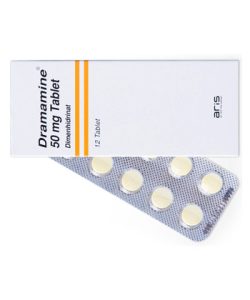
Dramamine
from
Meclizine
from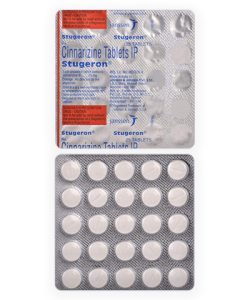
Stugeron
fromUnderstanding Motion Sickness
Motion sickness is a common condition that occurs when there’s a disconnect between the movement your eyes see and the motion your inner ear detects. This sensory conflict sends confusing signals to your brain, resulting in uncomfortable symptoms like nausea, dizziness, and vomiting. It typically develops during travel by car, plane, boat, or train, though some people experience it in virtual reality environments or amusement parks. The severity varies from person to person, with some experiencing mild queasiness while others suffer debilitating symptoms that prevent travel altogether. Understanding the triggers and causes helps in finding the right prevention and treatment strategies. Motion sickness affects up to 30% of the population regularly, making it one of the most common travel-related complaints in Australia.
Symptoms and Risk Factors
Common Symptoms
The symptoms of motion sickness usually appear gradually and can range from mild to severe. Early signs include dizziness, fatigue, and loss of appetite. As the condition progresses, sufferers may experience cold sweats, headaches, and nausea. Vomiting is the most severe symptom and typically occurs when motion sickness is left untreated. Some people also report difficulty concentrating or feeling drowsy. Symptoms usually disappear within a few hours of stopping the triggering motion, though some individuals experience lingering effects for longer periods.
Risk Factors
Certain groups are more susceptible to motion sickness than others. Children between the ages of 3 and 12 are particularly prone to experiencing motion sickness. Women are generally more affected than men, especially those who are pregnant or menstruating. People with a family history of motion sickness have higher risk of developing it themselves. Other contributing factors include anxiety, poor ventilation, visual stimulation, and watching movement through windows whilst travelling. Those with inner ear problems or migraine headaches may experience worse symptoms.
Prevention Strategies and Lifestyle Tips
Prevention is often more effective than treatment when it comes to motion sickness. Positioning yourself in the vehicle is crucial – sitting in the front seat of a car or mid-ship on a boat reduces perceived motion. Keeping your eyes fixed on a stable point rather than watching passing scenery helps prevent the sensory conflict. Maintaining steady breathing and staying calm before and during travel can significantly reduce symptoms. Avoiding heavy or greasy meals before travelling, staying well-hydrated, and getting adequate sleep beforehand are important preventative measures. Fresh air circulation helps considerably, so opening windows or adjusting air conditioning vents can alleviate symptoms. Some people find that ginger supplements, taken several hours before travel, provide natural relief. Acupressure bands worn on the wrists are another non-medication option that some travellers find helpful.
Key prevention strategies include:
- Sit in the front seat of vehicles or amidships on boats
- Focus on a fixed point rather than moving scenery
- Maintain steady, calm breathing throughout your journey
- Avoid heavy, greasy, or spicy meals before travel
- Stay well-hydrated by drinking water regularly
- Ensure you get adequate sleep before travelling
- Use fresh air circulation to maintain ventilation
- Consider ginger supplements taken hours before travel
- Try acupressure wristbands as a natural alternative
Medications Available in Australia
Over-the-Counter Options
Several over-the-counter medications are readily available at Australian pharmacies for motion sickness management. Dramamine, containing dimenhydrinate, is a widely used antihistamine that effectively reduces nausea and dizziness. Kwells, containing hyoscine hydrobromide, is another popular choice available without prescription, particularly useful for travel sickness. Stugeron, containing cinnarizine, is specifically designed for motion sickness and vertigo relief. These medications are typically taken 30 minutes before travel begins and remain effective for several hours. Ginger-based supplements and natural remedies are also available over-the-counter at most pharmacies and health stores across Australia.
Prescription Medications
For severe motion sickness cases, doctors may prescribe stronger medications. Hyoscine patches are prescription-strength options that provide extended relief, lasting up to 72 hours with a single application. These patches are particularly useful for long journeys or cruises. Some doctors prescribe stronger antihistamines or other medications when over-the-counter options prove insufficient. These prescription options should only be obtained through consultation with a healthcare professional who can assess individual needs and potential side effects.
Choosing the Right Treatment
Selecting Appropriate Medication
Choosing the right motion sickness medication depends on several factors including the type and duration of travel, personal sensitivity to medications, and previous experience with treatments. For short car journeys, milder over-the-counter options like Kwells may suffice. For longer trips or cruises, Stugeron or prescription patches might be more appropriate. It’s important to consider any other medications you’re currently taking, as some can interact with motion sickness treatments. People with certain medical conditions should consult their pharmacist or doctor before taking any motion sickness medication. Trying a medication before an important journey allows you to assess whether it works well for you and whether side effects are manageable.
Combination Approaches
Many people find that combining medication with prevention strategies provides optimal relief. Using medication alongside acupressure bands, ginger supplements, and positional adjustments often yields better results than medication alone. Maintaining calm breathing and mental preparation work well alongside pharmaceutical treatments. Staying hydrated and avoiding trigger foods complement medication-based approaches. Some travellers benefit from taking medication preventatively even if they’re not certain they’ll experience symptoms, as prevention is generally more effective than treating symptoms once they appear.
Professional Advice and Additional Resources
When to Consult a Healthcare Professional
If you experience severe motion sickness that significantly impacts your quality of life or travel plans, seeking professional advice is recommended. A pharmacist can provide personalised recommendations based on your medical history and specific travel circumstances. Your GP can prescribe stronger medications or investigate whether underlying conditions are contributing to your symptoms. Pharmacists at Australian chemists are particularly helpful for determining which over-the-counter options suit your needs best. If you have never experienced motion sickness before and suddenly develop symptoms, medical evaluation may be warranted to rule out other conditions. People with existing medical conditions should always consult their healthcare provider before starting any new motion sickness medication.
Tips for Pharmacy Selection
Australian pharmacies stock a range of motion sickness treatments suitable for different needs and preferences. Quality pharmacies will have knowledgeable staff who can advise on appropriate products and usage instructions. Many Australian pharmacies offer consultation services where pharmacists discuss your travel plans and recommend suitable options. Online pharmacy services also provide convenient access to motion sickness medications with home delivery options. Building a relationship with a local pharmacy ensures you have trusted advice readily available before your travels. Most Australian pharmacies can provide information about generic alternatives to brand-name medications, helping you find cost-effective solutions.