
Hair Loss
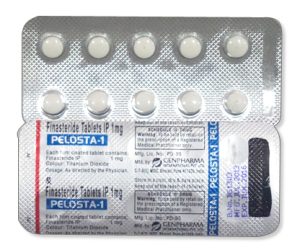
Finasteride
from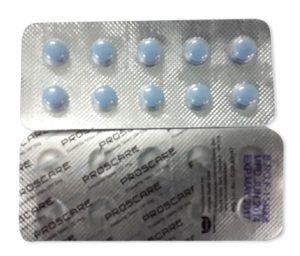
Proscar
from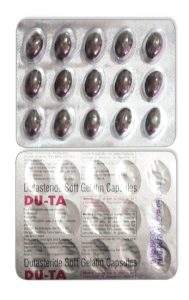
Avodart
from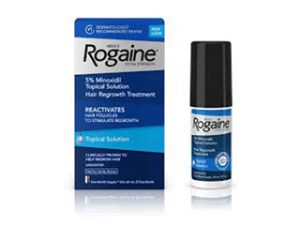
Regaine
from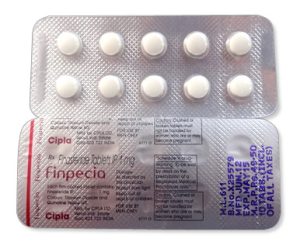
Finpecia
from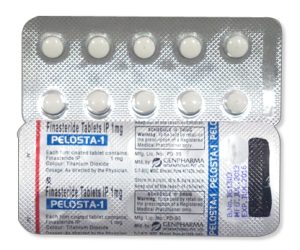
Propecia
fromUnderstanding Hair Loss: Causes and Types
Hair loss affects millions of Australians, impacting both men and women of various ages. Understanding the underlying causes is essential for finding the right treatment approach. The most common type is androgenetic alopecia, also known as male or female pattern baldness, which accounts for the majority of hair loss cases. This condition is primarily driven by genetics and the hormone DHT (dihydrotestosterone).
Various factors can contribute to hair loss beyond genetics. Nutritional deficiencies, stress, hormonal changes, and medical conditions like thyroid disorders can all play a role. Certain medications may also trigger hair loss as a side effect. Telogen effluvium is another prevalent type where hair prematurely enters the shedding phase due to physical or emotional stress. Alopecia areata is an autoimmune condition that causes patchy hair loss in affected individuals.
Age, lifestyle factors, and scalp health all play significant roles in hair loss development. Recognising your specific type of hair loss is crucial for selecting appropriate treatments available in the Australian market. If you’re concerned about hair loss, consulting with a healthcare professional can help identify the underlying cause and recommend suitable treatment options tailored to your needs.
Topical Treatments and Solutions
Topical treatments remain among the most accessible and popular options for managing hair loss in Australia. Minoxidil is the primary topical solution available without prescription at Australian pharmacies. It works by stimulating hair follicles and extending the growth phase of hair, promoting thicker and longer hair development.
Products containing minoxidil come in various strengths and formulations:
- Minoxidil strength typically ranges from 2% to 5%, with the higher concentration often recommended for men
- Application is usually twice daily directly to the scalp for optimal results
- Results typically become visible after three to four months of consistent use, though some users experience benefits earlier
- Minoxidil is generally well-tolerated, though some users may experience scalp irritation or temporary increased shedding initially
Other topical options include herbal-based treatments and serums designed to nourish the scalp and strengthen hair follicles. These complementary products often contain ingredients like biotin, keratin, and various plant extracts that support hair health. Consistency with topical treatments is essential, as discontinuing use often results in hair loss resuming. Many Australians combine topical solutions with other treatment methods for enhanced results and faster outcomes.
Oral Medications and Prescription Options
Oral medications represent another important category of hair loss treatments available through Australian healthcare providers. Finasteride is the most widely prescribed oral medication for hair loss in Australia. This prescription medication works by inhibiting the enzyme that converts testosterone to DHT, directly addressing the hormonal component of pattern baldness.
Finasteride is approved specifically for men and typically shows noticeable results within six to twelve months of regular use. Common brand names include Propecia and various generic versions available through Australian pharmacies. Dutasteride is another prescription option that works similarly to finasteride but may be more effective for some individuals requiring alternative treatment approaches.
Women with hair loss may be prescribed different medications, including spironolactone or oral minoxidil in some cases, depending on their specific condition and medical history. These medications require consultation with a GP or dermatologist in Australia to ensure suitability and safety. Regular monitoring and follow-up appointments are recommended to assess effectiveness and monitor any potential side effects. It’s crucial to understand that oral medications require ongoing use to maintain results. Australian prescribers provide comprehensive guidance on usage, expected timelines, and potential contraindications before dispensing these medications.
Nutritional Support and Supplements
Nutritional deficiencies often contribute to hair loss, making supplements an important complementary approach to treatment. Biotin is one of the most popular supplements for hair health in Australia, supporting the keratin structure that makes up hair strands. Iron deficiency is a known cause of hair loss, particularly in women, making iron supplements relevant for those with confirmed deficiency.
Several key nutrients support optimal hair health and growth:
- Zinc plays a crucial role in hair growth and tissue repair, with supplementation benefiting those with low levels
- Vitamin D deficiency has been linked to various hair loss conditions, and many Australians take vitamin D supplements
- B vitamins, particularly B12 and folate, support hair growth and scalp health
- Protein is essential for hair structure, and ensuring adequate dietary intake is fundamental
- Omega-3 fatty acids support scalp health and may reduce inflammation
Many Australian pharmacies stock comprehensive hair health supplements combining multiple beneficial ingredients. These supplements work best when combined with a balanced diet rich in fruits, vegetables, lean proteins, and healthy fats. While supplements are available over-the-counter, consulting with a healthcare provider can help identify specific deficiencies and appropriate supplementation. Results from nutritional approaches typically take several months to become apparent as the body builds up nutrient levels.
Professional Treatments and Specialist Care
For those seeking more intensive interventions, Australia offers various professional treatments administered by dermatologists and trichologists. Platelet-rich plasma (PRP) therapy has gained popularity in Australian clinics, involving injections of concentrated platelets into the scalp to stimulate hair growth naturally. Low-level laser therapy (LLLT) uses specific wavelengths of light to stimulate hair follicles and is available at specialised clinics across Australia.
Additional professional options include mesotherapy, which involves injecting vitamins and minerals directly into the scalp to nourish hair follicles, and hair transplant surgery for those with significant hair loss. Hair transplant procedures involve moving hair follicles from donor areas to affected regions with lasting results. Scalp micropigmentation is a non-surgical option that creates the appearance of fuller hair through specialised tattooing techniques without requiring ongoing maintenance.
Dermatologist consultations can provide professional diagnosis and personalised treatment plans combining multiple approaches suited to individual needs. Professional treatments often deliver faster results than over-the-counter options but typically involve higher costs. Many Australian specialists offer initial consultations to assess individual hair loss patterns and recommend suitable treatments. Combining professional treatments with ongoing topical or oral medications often produces optimal outcomes for comprehensive hair loss management.
Prevention and Lifestyle Factors
Preventing hair loss or slowing its progression involves adopting healthy lifestyle practices and proper scalp care. Maintaining a nutritious diet with adequate protein, iron, zinc, and vitamins is fundamental for hair health. Regular exercise improves circulation, which supports nutrient delivery to hair follicles throughout the scalp.
Stress management through meditation, yoga, or other relaxation techniques may reduce stress-related hair loss, as chronic stress significantly impacts hair growth cycles. Quality sleep supports hormonal balance and overall health, including hair growth and regeneration. Gentle hair care practices, including avoiding excessive heat styling and harsh chemical treatments, help preserve existing hair and maintain scalp integrity.
Using mild shampoos and conditioners appropriate for your hair type supports scalp health and reduces potential damage. Limiting smoking and excessive alcohol consumption benefits overall health and hair quality significantly. Regular scalp massage can improve blood flow to follicles and may promote hair growth through increased circulation. Protecting hair from UV damage by wearing hats when in strong sunlight helps maintain hair integrity and prevents environmental damage. Early intervention when noticing increased hair loss often produces better outcomes than waiting for the condition to progress further. Combining preventive measures with appropriate treatments creates a comprehensive approach to managing hair loss in Australia.