
Birth Control
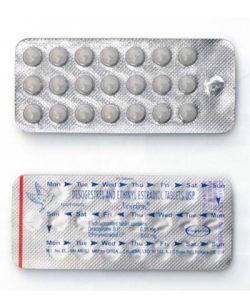
Desogen
from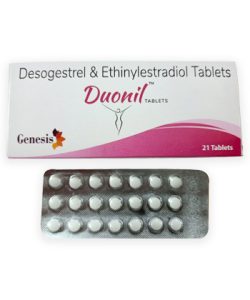
Marvelon
from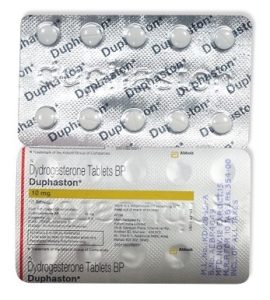
Utrogestan
from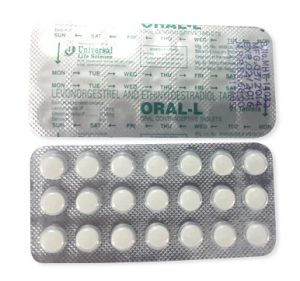
Loette
from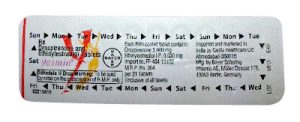
Yasmin
fromUnderstanding Birth Control Options
Birth control, also known as contraception, refers to methods used to prevent pregnancy. In Australia, there are numerous effective options available to help individuals and couples plan their families according to their needs and preferences. Each method works differently, offering varying levels of protection and convenience.
The choice of birth control depends on personal health factors, lifestyle, relationship status, and individual preferences. Some methods are hormonal, while others are barrier methods or long-acting devices. It’s essential to discuss options with a healthcare provider to find the most suitable solution.
Australia’s Therapeutic Goods Administration (TGA) regulates all contraceptive products available in the market, ensuring they meet strict safety and efficacy standards. Whether you’re looking for daily pills, long-acting reversible contraception, or barrier methods, Australian pharmacies stock a range of TGA-approved options.
Hormonal Contraceptive Pills
Oral contraceptive pills, commonly known as “the pill,” remain one of the most popular birth control methods in Australia. These tablets contain synthetic hormones that prevent ovulation, making pregnancy unlikely when taken correctly and consistently.
Types of Pills Available
The combined oral contraceptive pill contains both oestrogen and progestin. Popular brands available in Australia include Yasmin, Yaz, Microgynon, and Levora. These pills are typically taken daily for 21 days, followed by a 7-day break when menstruation occurs.
The progestin-only pill, sometimes called the “mini-pill,” contains only progestin and is suitable for women who cannot take oestrogen. Australian options include brands like Micronor and Cerazette. This pill is taken continuously without breaks.
How They Work
Birth control pills prevent pregnancy by thickening cervical mucus, thinning the uterine lining, and stopping ovulation. When taken correctly, they’re over 99% effective, though typical use effectiveness is around 91% due to missed doses.
Benefits and Considerations
Many women appreciate the pill for its convenience and reversibility. Additional benefits include reduced period pain, lighter periods, and clearer skin. However, some women experience side effects like nausea, headaches, or mood changes. Regular monitoring with a healthcare provider ensures the right pill is chosen.
Long-Acting Reversible Contraception (LARC)
Long-acting reversible contraceptive methods provide extended protection without daily attention, making them increasingly popular in Australia. These methods are highly effective and suitable for women seeking worry-free contraception.
Intrauterine Devices (IUDs)
Hormonal IUDs like Mirena release a small amount of progestin directly into the uterus, preventing pregnancy for three to five years. The copper IUD, such as Paragard, creates an environment hostile to sperm and lasts up to seven years.
IUDs are inserted by a healthcare provider and can be removed anytime if pregnancy is desired. They’re over 99% effective and don’t affect breastfeeding.
Hormonal Implants
The contraceptive implant, available in Australia as Implanon or Nexplanon, is a small flexible rod inserted under the arm’s skin. It releases progestin and provides protection for three years.
This method is ideal for women who prefer a hands-off approach and don’t want to remember daily pills. It’s completely reversible and fertility returns quickly after removal.
Why Choose LARC
Long-acting methods eliminate the need to remember daily medication or use protection each time. They’re particularly effective because user error is minimal. Many Australian women find LARC methods cost-effective over time, despite higher upfront costs.
Barrier Methods and Emergency Contraception
Barrier methods prevent sperm from reaching the egg and are available without prescription at Australian pharmacies. These methods also provide protection against some sexually transmitted infections.
Condoms
Male condoms remain the only birth control method that significantly reduces the risk of sexually transmitted infections. When used correctly and consistently, they’re about 98% effective at preventing pregnancy.
Female condoms are also available in Australia, offering an alternative that gives women more control over protection.
Diaphragms and Caps
These barrier devices are inserted before intercourse and must be fitted by a healthcare provider. They’re used with spermicide and are approximately 88% effective with typical use.
Emergency Contraception
In Australia, emergency contraceptive pills are available over the counter at pharmacies without prescription. Products like Postinor and ella must be taken within 72 hours of unprotected intercourse, with ella effective up to 120 hours.
Emergency contraception prevents pregnancy but doesn’t terminate an existing pregnancy. The copper IUD is also highly effective as emergency contraception when inserted within five days of unprotected intercourse.
Non-Hormonal and Natural Methods
Some individuals prefer birth control methods that don’t involve hormones or devices. Australia offers several non-hormonal options, though these generally have lower effectiveness rates than hormonal methods.
Natural Family Planning
Fertility awareness methods involve tracking ovulation through temperature, cervical mucus, or calendar calculations. These methods require education and dedication, with typical effectiveness around 76–88%.
Sterilisation
Permanent contraception through tubal ligation or vasectomy is available for individuals who have completed their families. These procedures are highly effective and largely irreversible, though reversal surgery is sometimes possible.
Spermicides
Used alone, spermicides have lower effectiveness but can be combined with barrier methods for increased protection. Various Australian brands are available at pharmacies.
Choosing and Using Your Birth Control
Selecting the right birth control method requires considering personal health, lifestyle, and preferences. It’s advisable to consult with a GP or pharmacist before starting any new contraceptive method.
Important Considerations
Your healthcare provider will review medical history, current medications, and any health conditions that might affect suitability. Some methods interact with antibiotics or other medications, so disclosure is important.
Effectiveness depends on proper use. Understanding instructions and following them consistently ensures maximum protection. Australian pharmacists can provide detailed guidance on taking pills correctly or using barrier methods effectively.
Accessing Birth Control in Australia
Most birth control methods require a prescription from a doctor, except condoms and emergency contraception, which are available over the counter. The Pharmaceutical Benefits Scheme (PBS) subsidises many contraceptive options, making them affordable.
When selecting your birth control method, consider the following factors:
- Effectiveness rate and how it suits your lifestyle
- Frequency of use and ease of administration
- Protection against sexually transmitted infections
- Potential side effects and personal health history
- Cost and availability through the PBS
- Reversibility and impact on future fertility
Regular check-ups with your healthcare provider are recommended to ensure your chosen method remains suitable and effective. If you experience side effects or wish to switch methods, your doctor can discuss alternatives. Birth control is a personal choice, and finding the right option supports your health and life plans.