Uroxatral
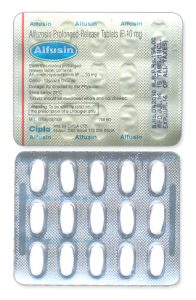
In brief
- In our pharmacy, you can buy Uroxatral without a prescription, with delivery in 9–21 days throughout Australia. Discreet and anonymous packaging.
- Uroxatral (active ingredient alfuzosin) is used to treat benign prostatic hyperplasia (BPH) in adult men; it works by selectively blocking alpha‑1 adrenoceptors in the prostate and bladder neck to relax smooth muscle and improve urine flow — it does not shrink the prostate.
- The usual dose is one 10 mg extended‑release tablet once daily, taken after the same meal each day.
- The form of administration is an extended‑release (prolonged‑release) tablet, usually supplied in blister packs or bottles.
- Onset time: symptom relief may begin within hours for some men, though meaningful improvement is more commonly seen within a few days of starting treatment.
- Duration of action: designed for once‑daily dosing with effects lasting about 24 hours; treatment is often continued long‑term and reviewed periodically.
- Alcohol warning: avoid or limit alcohol — it can increase dizziness and the risk of low blood pressure and fainting when taking alfuzosin.
- The most common side effect is dizziness.
- Would you like to try uroxatral without a prescription?
Basic Uroxatral Information
- INN (International Nonproprietary Name): Alfuzosin.
- Brand Names Available In Australia: Not specified.
- ATC Code: G04CA01 (Alpha‑adrenoreceptor antagonists; urologicals).
- Forms & Dosages: Extended‑release/prolonged‑release tablets, commonly 10 mg once daily; generics in some markets in 5 mg and 10 mg strengths; packaging includes blister packs or bottles.
- Manufacturers In Australia: Not specified.
- Registration Status In Australia: TGA‑listed.
- OTC / Rx Classification: Prescription‑only (Rx).
Availability & Price Landscape (Market Realities)
Worried about where to get alfuzosin locally and how much it will cost?
Australian men seeking alfuzosin often follow a mix of prescription pathways and retail options.
Chemist Warehouse and Priceline are common urban stops for price comparison and stock checks for alfuzosin tablets and generics.
Regional and rural patients more often rely on TerryWhite Chemmart or their local community pharmacy for continuity of supply.
Telehealth services increasingly supply e‑scripts that are routed to online dispensaries, which affects convenience and sometimes price.
Alfuzosin is TGA‑listed and prescription‑only, which means private prescriptions and specific sponsor supply determine whether a patient pays privately or gets access via subsidy.
Typical private price ranges vary by pack size and whether the product is a branded import or a generic import.
- Table: Typical Private Price Ranges By Pack Size (estimate ranges seen in Australian private markets):
| Pack Size | Typical Private Price Range (AUD) | Notes |
|---|---|---|
| 30 tablets (10 mg) | $30–$80 | Common blister packs; branded imports toward upper range. |
| 60 tablets (10 mg) | $50–$140 | Per‑tablet cost usually lower for larger packs; availability varies. |
Whether alfuzosin is PBS‑subsidised depends on product sponsor and current PBS schedule, so check the PBS listings before assuming subsidy.
Common search terms patients use are uroxatral, Xatral SR 10mg and alfuzosin tablets when price‑comparing online and in store.
Patient Insights & Satisfaction Levels (Patient Experiences)
What do men in Australia say after starting alfuzosin for urinary symptoms?
Many report symptom relief such as reduced urinary hesitancy and improved flow within days to a few weeks after starting therapy.
Feedback on ProductReview and Aussie health forums trends toward positive efficacy comments mixed with access and price complaints, especially from rural users where stock or specialist access can be slower.
Patients emphasise the importance of taking the 10 mg extended‑release tablet after the same meal each day to reduce light‑headedness.
Some users report dizziness or tiredness that affects driving and work in the early days of treatment.
- Top Patient Pros
- Rapid symptomatic relief for urinary flow and hesitancy.
- Once‑daily extended‑release dosing is convenient.
- Generic alfuzosin options can reduce cost when available.
- Top Patient Cons
- Light‑headedness or dizziness, especially when starting.
- Price and supply variability between chains and regions.
- Does not reduce prostate size, so some men need combination therapy later.
- Intraoperative Floppy Iris Syndrome (IFIS)
- Occurs during cataract surgery when alpha‑blockers affect iris tone; patients must inform their eye surgeon if they are taking alfuzosin.
- Extended‑Release (SR)
- Formulation that releases alfuzosin slowly over the day to reduce peak‑related hypotension and allow once‑daily dosing.
Product Overview & Brand Variants
Which names and product formats should pharmacists and buyers expect when someone asks for alfuzosin?
Alfuzosin is the International Nonproprietary Name (INN) and appears in markets under brand names such as Uroxatral and Xatral, with generics labelled Alfuzosin Teva, Alfuzosin Mylan, Alfuzosin Sandoz in various regions.
Packaging commonly seen internationally includes blister strips in boxes of 30 or 60 and sometimes bottles for extended‑release 10 mg tablets.
The ATC code G04CA01 places alfuzosin in the alpha‑adrenoreceptor antagonist class used for urological conditions.
In practice, the 10 mg extended‑release once‑daily regimen is the standard for benign prostatic hyperplasia and is the form pharmacists most commonly dispense or source.
| Brand | Origin | Packaging |
|---|---|---|
| Uroxatral | USA | Extended‑release tablets; blister strips or bottles |
| Xatral | Europe | Prolonged‑release 10 mg blister packs (30/60) |
| Alfuzosin (generics) | Teva, Mylan, Sandoz, others | Blister packs; 5 mg and 10 mg in some markets |
All alfuzosin products in the RAW_DATA are prescription‑only and a pharmacy must verify sponsor and batch details when dispensing imported generics.
Indications In Local Medical Practice
Is alfuzosin the right choice for my urinary symptoms, and when should a GP refer to urology?
TGA‑aligned practice uses alfuzosin primarily for symptomatic management of benign prostatic hyperplasia in adult men.
The standard dosing regimen is a 10 mg extended‑release tablet once daily, taken after the same meal each day.
Alfuzosin provides functional relief of lower urinary tract symptoms by relaxing smooth muscle but does not reduce prostate volume.
- Checklist For Prescribers
- Confirm BPH symptoms and absence of red flags (e.g., visible haematuria, recurrent urinary retention).
- Start alfuzosin 10 mg SR once daily after the same meal if alpha‑blockade is appropriate.
- Review concomitant antihypertensives and consider BP monitoring at initiation.
- Refer to urology for severe obstruction, haematuria, recurrent UTIs, or poor response.
Off‑label use is uncommon; clinicians may consider alfuzosin for selected symptomatic men where alternative agents are contraindicated, but it is not approved for children or females.
How It Works In The Body
How does alfuzosin relieve urinary symptoms without shrinking the prostate?
Alfuzosin selectively blocks alpha‑1 adrenoceptors in the prostate and bladder neck, relaxing smooth muscle and reducing urethral resistance.
Because the effect is on muscle tone rather than prostate volume, symptom relief is functional rather than structural.
The extended‑release formulation maintains steadier plasma concentrations to reduce peak‑related drops in blood pressure.
Absorption is meal‑dependent and taking the 10 mg tablet after the same meal each day increases bioavailability and lowers hypotension risk.
Clinically relevant drug interactions include strong CYP3A4 inhibitors such as ketoconazole and ritonavir, which increase alfuzosin exposure and are contraindicated per product labelling.
- Alpha‑1A Versus Alpha‑1B
- Alpha‑1A receptors predominate in the prostate; alpha‑1B receptors are more vascular. Alfuzosin acts on lower urinary tract receptors to improve symptoms while extended release lowers systemic peak effects.
Dosage & Administration
What dose should be given and how should patients take it to reduce side effects?
The standard adult dose for BPH is a 10 mg extended‑release tablet once daily, taken after the same meal each day to optimise absorption and reduce hypotension risk.
If a dose is missed, patients should take it when they remember unless it is almost time for the next dose and must not double up doses.
Overdose may cause marked hypotension and requires emergency medical care with supportive measures.
Routine dose reduction is not required in the elderly, but clinicians should monitor for increased sensitivity to orthostatic hypotension.
| Patient Group | Dose Adjustment / Advice |
|---|---|
| Elderly | No routine adjustment; monitor BP and orthostatic symptoms. |
| Mild–Moderate Renal Impairment | No initial adjustment usually required; monitor clinically. |
| Severe Renal Impairment | Seek specialist input; avoid if uncertain. |
| Moderate–Severe Hepatic Impairment | Contraindicated. |
Review other medicines, especially antihypertensives and CYP3A4 inhibitors, before initiating alfuzosin.
Contraindications & Side Effects
What should patients report before starting alfuzosin, and which side effects require urgent review?
Absolute contraindications include moderate to severe hepatic insufficiency and known hypersensitivity to alfuzosin or formulation excipients.
Strong CYP3A4 inhibitors such as ketoconazole are contraindicated due to increased alfuzosin exposure.
Common side effects include dizziness, headache, tiredness, upper respiratory symptoms and nausea.
- Serious But Less Common Effects
- Syncope or severe hypotension requiring immediate medical review.
- Chest pain or cardiac arrhythmia.
- Hypersensitivity reactions.
- Intraoperative floppy iris syndrome (IFIS) related to cataract surgery.
- IFIS
- Patients should tell their ophthalmologist if currently taking or previously taken alfuzosin before cataract surgery to allow planning and reduce surgical risk.
Comparable Medicines
How does alfuzosin compare with other drugs used for the same symptoms?
Alfuzosin competes with other alpha‑blockers such as tamsulosin, terazosin, doxazosin and silodosin, and with prostate‑shrinking 5‑alpha‑reductase inhibitors such as finasteride and dutasteride.
| Active Ingredient | Typical Dose | PBS Status | Primary Pros / Cons |
|---|---|---|---|
| Tamsulosin | 400 µg once daily | Varies by formulation | More alpha‑1A selective; lower hypotension risk but different sexual side‑effect profile. |
| Terazosin | 1–10 mg once daily | Varies | Older non‑selective agent; effective but greater orthostatic hypotension risk. |
| Silodosin | 8 mg once daily | Varies | Highly uroselective; may have distinct ejaculatory side effects. |
| Finasteride / Dutasteride | Finasteride 5 mg once daily; Dutasteride 0.5 mg once daily | Often PBS‑listed for appropriate indications | Reduce prostate size over months; used for longer‑term disease modification rather than rapid symptom relief. |
Pros and cons specific to alfuzosin:
- Pros: Rapid symptomatic relief; once‑daily extended‑release dosing; useful as part of stepped care.
- Cons: Does not shrink prostate; caution in liver disease; interacts with strong CYP3A4 inhibitors; potential for hypotension.
Current Research & Trends
What have recent studies and practice trends shown about alfuzosin and related treatments?
Recent literature from 2022–2025 has focused on comparative tolerability between alpha‑blockers, outcomes from combination therapy with 5‑alpha‑reductase inhibitors, and safety signals such as IFIS and hypotension in elderly patients on multiple medicines.
Australian real‑world studies highlight telehealth prescribing and adherence challenges in rural cohorts, plus pharmacist‑led monitoring during initiation to catch orthostatic events early.
- Comparative tolerability studies suggesting selection of alpha‑blocker can be guided by comorbid cardiovascular risk.
- Combination therapy evidence supporting alpha‑blocker + 5ARI for men with larger prostates or severe symptoms.
- Ongoing pharmacovigilance into interactions with potent CYP3A4 inhibitors and antiviral agents.
- Emerging practice: pharmacist‑led blood pressure checks at initiation and closer follow up for older patients.
Clinicians should check updated TGA and NHMRC guidance for any new recommendations and safety alerts.
Common Patient Questions
What do patients usually ask at the pharmacy when they pick up alfuzosin?
Here are concise pharmacist responses suitable for quick counselling in Australia.
- When should I take it? Take the 10 mg extended‑release tablet once daily after the same meal each day to reduce dizziness and aid absorption.
- Will it shrink my prostate? No; alfuzosin relieves symptoms by relaxing muscle tone but does not reduce prostate size—5ARIs are used for shrinkage.
- Can I drive after taking it? Be cautious during the first days; dizziness or syncope can occur—do not drive if light‑headed.
- What about cataract surgery? Inform your ophthalmologist—alfuzosin has been associated with IFIS during cataract operations.
- Is it on the PBS? Product‑specific PBS subsidy varies—check the PBS Schedule or ask the pharmacy for current listing details.
When to seek medical help: fainting, chest pain, severe shortness of breath or persistent severe dizziness.
Regulatory Status
How is alfuzosin regulated here compared with other countries?
Alfuzosin is TGA‑listed in Australia and is prescription‑only in the Australian market per regulatory classification in the RAW_DATA.
| Country | Regulatory Status | Notes |
|---|---|---|
| Australia | TGA‑listed | Prescription‑only; sponsor details must be verified by dispensing pharmacy. |
| USA | FDA‑approved | Uroxatral marketed as extended‑release 10 mg. |
| European Union | EMA / National agencies | Xatral and generics authorised in various countries. |
Pharmacies should follow local supply rules, confirm prescription validity and keep records of sponsor and batch for imported products.
- Pharmacy Compliance Checklist
- Verify valid prescription or lawful e‑script.
- Confirm sponsor and batch for imported generics.
- Store at recommended room temperature and advise the patient about storage.
Visual Recommendations
Which simple graphics help patients understand alfuzosin, dosing and pricing?
Create an infographic that walks patients from symptom assessment to initiation and monitoring, including BP checks and IFIS warning for eye surgery.
Design a second visual that maps PBS versus private price zones and shows common pharmacy chains such as Chemist Warehouse, Priceline and TerryWhite for consumer choice.
Use three compact visuals: a mechanism diagram (alpha‑1 blockade), a dosage timing graphic (take after the same meal), and a quick‑check banner for IFIS and hypotension.
Ensure each graphic has clear alt text and short copy for web accessibility and search engines.
Buying & Storage Advice
How should patients buy and store alfuzosin in typical Australian homes?
Alfuzosin is prescription‑only so obtain a script via your GP or an accredited telehealth service.
Use reputable pharmacies such as Chemist Warehouse, Priceline or TerryWhite Chemmart, or accredited online dispensaries that accept e‑scripts.
Compare private pricing and check for generic availability under names like Alfuzosin Teva or Alfuzosin Mylan when sourcing cheaper options.
In our online pharmacy, uroxatral is available without a prescription, with discreet delivery to Australia in 9‑21 days.
Store alfuzosin at room temperature (about 20–25°C) in its original packaging and protect it from moisture and heat.
Avoid leaving tablets in hot cars or steamy bathrooms in Australian climates; return any discoloured or damaged tablets to the pharmacy.
- Online vs In‑Store Tips
- Order ahead if you live rurally and use mail‑order to avoid stockouts.
- Check pharmacy accreditation and e‑script handling for online purchases.
Guidelines For Proper Use
What will a pharmacist check and what safety advice should every patient have?
Verify the indication is BPH in an adult male and confirm there are no absolute contraindications such as moderate‑severe hepatic insufficiency.
Check current medicines for strong CYP3A4 inhibitors or multiple antihypertensives and document counselling about cataract surgery risk (IFIS).
Counsel patients to take the 10 mg extended‑release tablet after the same meal each day and advise on the risk of dizziness and syncope during early treatment.
- Pharmacist Checklist At Dispensing
- Confirm prescription and indication.
- Review liver and renal history and current medicines.
- Provide written dosing instructions and a small safety card on driving and IFIS.
- Recommend BP monitoring during initiation and follow up with GP in 1–2 weeks.
Encourage routine review with the GP or a urologist for persistent symptoms or when combination therapy with a 5ARI may be required.
Delivery Across Australia
| City | Region | Delivery Time |
|---|---|---|
| Sydney | New South Wales | 9–14 days |
| Melbourne | Victoria | 9–14 days |
| Brisbane | Queensland | 9–14 days |
| Perth | Western Australia | 9–14 days |
| Adelaide | South Australia | 9–14 days |
| Canberra | Australian Capital Territory | 9–14 days |
| Hobart | Tasmania | 9–14 days |
| Darwin | Northern Territory | 9–14 days |
| Gold Coast | Queensland | 9–14 days |
| Newcastle | New South Wales | 9–14 days |
| Wollongong | New South Wales | 9–14 days |
| Geelong | Victoria | 9–14 days |
| Townsville | Queensland | 14–21 days |
| Cairns | Queensland | 14–21 days |