Tamsulosin
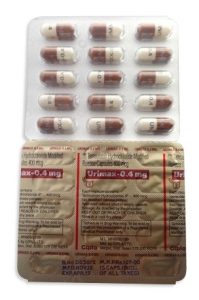
In brief
- In our pharmacy, you can buy tamsulosin without a prescription, with delivery in 5–14 days throughout Australia. Discreet and anonymous packaging; availability may also vary at other pharmacies and online sellers.
- Tamsulosin is used to relieve lower urinary tract symptoms (LUTS) due to benign prostatic hyperplasia (BPH). It is a selective alpha‑1A adrenergic antagonist that relaxes smooth muscle in the prostate and bladder neck to improve urine flow.
- The usual dose is 0.4 mg once daily, taken after the same meal each day; a 0.2 mg dose is used in some regions (eg Japan) and combination products with dutasteride exist for specific cases.
- The form of administration is oral modified‑release capsule/tablet.
- Tamsulosin begins to act on smooth muscle within hours, with patients often noticing symptom improvement within a few days to a couple of weeks.
- The duration of action covers about 24 hours with once‑daily dosing (steady symptomatic control achieved with continued daily use).
- Avoid excessive alcohol while taking tamsulosin — alcohol can increase the risk of dizziness and orthostatic hypotension, especially around dosing time.
- The most common side effect is dizziness (particularly on standing/orthostatic hypotension); other frequent effects include ejaculation disorders, headache and nasal congestion.
- Would you like to try “tamsulosin” without a prescription?
Basic Tamsulosin Information
- INN (International Nonproprietary Name): Tamsulosin.
- Brand Names Available In Australia: Not specified in the supplied data; commonly encountered international brands include Flomax, Omnic, Urimax and generics labelled as tamsulosin 0.4 mg MR.
- ATC Code: G04CA02.
- Forms & Dosages: Oral capsules/tablets, standard modified‑release 0.4 mg once daily; a 0.2 mg lower dose exists in some markets.
- Manufacturers In Australia: Not specified in the supplied data; globally noted manufacturers include Teva, Sandoz, Mylan, Sun Pharma and others.
- Registration Status In Australia: Not specified in the supplied data; tamsulosin is prescription‑only and approved for BPH in multiple national jurisdictions.
- OTC / Rx Classification: Prescription Only (Rx).
Availability & Price Landscape
Many men ask where they can buy tamsulosin and how much it might cost out of pocket.
Tamsulosin is widely available in Australia as a prescription‑only product across national chains and community pharmacies.
Generics from major suppliers are common, so price sensitivity is high and many shoppers compare options before buying.
Telehealth e‑prescriptions and online pharmacy delivery have made access easier for urban and rural patients alike.
Branded products such as Flomax or Omnic typically command higher private‑pay prices than generics labelled as tamsulosin 0.4 mg MR.
Common retail pack sizes in many markets are 10 or 30 capsules, with 30 capsules of 0.4 mg modified‑release the standard stock‑keeping unit.
When considering cost, check whether the script is PBS‑eligible because PBS status changes the out‑of‑pocket amount significantly.
Comparison sites and discount chains are popular for finding lower private prices and generics like tamsulosin SR.
Practical checklist before purchase:
- Confirm brand versus generic and whether the pack is 10 or 30 capsules.
- Look for MR or OCAS on the label to confirm modified‑release formulation.
- Ask whether the prescription is PBS‑eligible to determine the copayment.
- Compare supply and delivery times for rural addresses to avoid stock‑outs.
Price Table (Indicative Labels Only — Check PBS And Pharmacy For Exact Cost):
| Pack Size | PBS | Private |
|---|---|---|
| 10 Capsules (0.4 mg MR) | Depends on PBS listing and eligibility; check PBS Schedule. | Varies by brand and supplier; check pharmacy price list. |
| 30 Capsules (0.4 mg MR) | Depends on PBS listing and eligibility; check PBS Schedule. | Varies by brand and supplier; branded Flomax/Omnic usually cost more than generics. |
National Pharmacy Chains (Chemist Warehouse, Priceline, TerryWhite)
Major discount and community chains commonly stock generic tamsulosin and branded options where supplied.
Shoppers frequently use national chains to take advantage of volume discounts, loyalty programs and online telehealth integrations.
Rural patients often rely on chain courier delivery for continuity of therapy when local supply is limited.
Online Pharmacy Trends In Australia
Telehealth‑driven scripts and courier delivery have grown notably for chronic LUTS management.
Patients favour discreet online ordering, e‑prescriptions and repeat delivery options for tamsulosin 0.4 mg MR capsules.
In our online pharmacy, tamsulosin is available without a prescription, with discreet delivery to Australia in 9-21 days.
Price Ranges By Package Size (PBS Vs Private)
PBS eligibility is the main determinant of out‑of‑pocket cost for patients with a valid Australian PBS concession or general patient status.
Private prices vary across pharmacies, pack size and brand, and generics typically undercut branded products.
Always confirm PBS status and the pharmacy copayment before completing an order.
Patient Insights & Satisfaction Levels
Men commonly wonder whether tamsulosin will actually help their urinary symptoms and what trade‑offs they may face.
Forum sentiment on ProductReview and Aussie health boards is mixed but often positive about once‑daily dosing and symptom relief.
Many patients report improved urinary flow, less straining and reduced nocturia within days to a few weeks of starting tamsulosin 0.4 mg.
Negative posts typically focus on dizziness, morning light‑headedness, or changes to ejaculation.
Reported benefits and issues generally align with known adverse effects such as orthostatic symptoms and ejaculatory disorders.
Rural users frequently mention supply delays and higher sensitivity to price when choosing between branded and generic tamsulosin SR.
Operational pharmacist tip: advise patients to report bothersome side effects early and discuss switching to alternatives like alfuzosin or silodosin when sexual side effects or hypotension are unacceptable.
Pros and cons — Patient View:
- Pros: Once‑daily dosing, predictable MR formulation, symptom relief for LUTS/BPH.
- Cons: Dizziness/orthostatic symptoms, ejaculatory changes, nasal congestion, possible supply delays in rural areas.
Anonymous Patient Quote:
“Started tamsulosin 0.4 mg and the nightly trips to the toilet dropped within a week, but I needed advice about feeling light‑headed when standing up.”
Product Overview & Brand Variants
People often ask what names tamsulosin is sold under and which formulation to choose.
INN: Tamsulosin is sold globally under brand names such as Flomax and Omnic as well as numerous generics.
The ATC classification is G04CA02, placing tamsulosin among alpha‑adrenoreceptor antagonists for BPH.
Forms commonly seen are modified‑release capsules at 0.4 mg, with some markets offering a 0.2 mg option.
Combination formulations exist where tamsulosin is paired with dutasteride for dual‑action BPH therapy in specific indications.
Manufacturers globally include Teva, Sandoz, Mylan, Sun Pharma and branded holders such as Astellas and Boehringer Ingelheim.
Legal classification is prescription‑only in most major markets and under TGA regulation in Australia.
Quick reference table for brand variants and packaging (sample):
| Brand | Pack Sizes | Strength / Notes |
|---|---|---|
| Flomax / Omnic | 30 capsules (typical) | 0.4 mg MR — standard global dose |
| Generic Tamsulosin (Teva, Sandoz, Mylan) | 10 or 30 capsules | 0.4 mg MR; labelled MR or OCAS |
| Combination (Tamsulosin + Dutasteride) | Market dependent | Dual therapy for specific patients |
INN And Brand Names In Australia
The supplied data does not list an exhaustive Australian brand table, but Flomax, Omnic and generic tamsulosin 0.4 mg MR are frequently used internationally and encountered in pharmacy listings.
Legal Classification (TGA‑Approved)
Tamsulosin is prescription‑only and regulated by national authorities such as the TGA in Australia.
Pharmacists must dispense against a valid prescription and follow PBS listing rules where applicable.
Indications In Local Medical Practice
Patients commonly want to know what tamsulosin is officially used for in Australia.
Approved use: symptomatic management of lower urinary tract symptoms (LUTS) due to benign prostatic hyperplasia (BPH).
Tamsulosin is a selective alpha‑1A adrenergic antagonist indicated for BPH and is not approved for hypertension, erectile dysfunction, or use in women or children.
Conditional/off‑label use: short‑term facilitation of ureteric stone passage is sometimes considered in clinical practice, but evidence and guidance vary.
Combination therapy with 5‑alpha‑reductase inhibitors such as dutasteride or finasteride is used when prostate reduction is desired or for larger prostates.
Not indicated: treatment of hypertension, female urinary conditions or paediatric use.
- Approved: LUTS due to BPH in adult men.
- Conditional / Off‑Label: Short‑term medical expulsive therapy for ureteric stones in selected cases; combination therapy with 5‑ARI for prostate reduction.
- Not Indicated: Hypertension, erectile dysfunction, women and children.
Clinical note: rule out prostate cancer where clinically indicated before long‑term symptomatic therapy is continued.
How It Works In The Body
Many patients ask for a simple explanation of how tamsulosin improves urinary symptoms.
Lay explanation: tamsulosin relaxes the muscles in the prostate and bladder neck so urine can pass more easily and the bladder empties more completely.
Think of tamsulosin as softening the “squeeze” around the urethra so flow improves without needing surgery.
Clinical detail: tamsulosin is a selective alpha‑1A adrenergic antagonist that preferentially blocks receptors concentrated in the prostate and bladder neck.
This selective blockade promotes smooth‑muscle relaxation in the lower urinary tract with less systemic vascular alpha‑1 blockade than older non‑selective agents.
Selectivity explains a lower rate of hypotension compared with first‑generation alpha blockers, though orthostatic events still occur.
Clinical effect is often noticeable within days to weeks, and long‑term therapy treats symptoms rather than curing BPH.
Visual suggestion: include a labelled prostate/bladder neck anatomy diagram and a simple mechanism‑of‑action flowchart on the product page.
Layman’s Explanation
Relaxing the prostate and bladder neck reduces pressure on the urethra and eases the flow of urine.
Clinical Detail
Tamsulosin targets alpha‑1A receptors predominantly in prostatic tissue to reduce smooth‑muscle tone and improve LUTS.
Dosage & Administration
Patients commonly ask about the usual dose and timing for tamsulosin 0.4 mg.
Standard adult dose for BPH is 0.4 mg once daily, taken after the same meal each day to improve absorption and reduce orthostatic risk.
Modified‑release formulations are standard and typically labelled MR or OCAS.
Some regions have a 0.2 mg formulation, but 0.4 mg MR is the global norm for adult men with BPH.
Elderly patients do not usually need routine dose changes but should be monitored for hypotension and falls.
Renal impairment: mild to moderate generally requires no adjustment; severe renal failure (CrCl <10 mL/min) requires caution.
Hepatic impairment: avoid in severe hepatic impairment; no routine adjustment for mild–moderate disease.
Missed dose advice: take when remembered unless it is close to the next dose, and do not double the dose.
Overdose: main risk is hypotension and fainting; seek urgent medical attention and provide symptomatic support.
Administration checklist for patients:
- Take 0.4 mg once daily after the same meal.
- Rise slowly from sitting or lying positions to reduce dizziness.
- Do not mix with potent CYP3A4/CYP2D6 inhibitors without prescriber advice.
Standard Regimens
0.4 mg once daily after the same meal is the standard regimen for adult men with BPH.
Adjustments By Patient Type (Elderly, Chronic Conditions)
No routine dose change is required for elderly patients, but monitor for falls and orthostatic symptoms.
Contraindications & Side Effects
Patients often want to know what to watch for and when to seek help.
Absolute contraindications include known hypersensitivity to tamsulosin or excipients, a history of orthostatic hypotension and severe hepatic impairment.
Use with caution in severe renal impairment and in patients with significant cardiovascular disease.
Common adverse effects include dizziness/orthostatic hypotension, ejaculatory disorders, headache, nasal congestion, fatigue and gastrointestinal symptoms.
Less common reactions include skin rash and pruritus.
Rare but serious effects reported in the clinical literature and safety databases include significant hypotension leading to syncope and intraoperative floppy‑iris syndrome (IFIS) during cataract surgery.
Patients undergoing eye surgery must inform their ophthalmologist about current or past tamsulosin use.
Safety management points:
- Advise patients to rise slowly and avoid driving until effects are known.
- Monitor blood pressure in patients on concurrent antihypertensives.
- Report severe dizziness, fainting or sudden visual problems immediately.
Common
Dizziness and light‑headedness on standing are the most commonly reported adverse effects.
Ejaculatory dysfunction, including decreased or absent ejaculation, is a notable sexual side effect.
Rare But Serious (Australian Safety Data)
Intraoperative floppy‑iris syndrome is an important surgical safety concern; ensure surgical teams are aware of tamsulosin exposure.
Comparable Medicines
When tamsulosin is not tolerated or is unsuitable, clinicians choose among other alpha blockers or 5‑alpha‑reductase inhibitors.
Key comparators include alfuzosin, silodosin, doxazosin and the 5‑ARI class finasteride and dutasteride.
Silodosin is highly selective for alpha‑1A receptors but tends to cause more ejaculatory dysfunction than tamsulosin.
Alfuzosin is less selective and doxazosin has prominent antihypertensive effects which may be useful when coexisting hypertension is present.
Finasteride and dutasteride reduce prostate size over months and are chosen when prostate reduction is the therapeutic aim.
Combination therapy (alpha blocker + 5‑ARI) is an evidence‑based approach for larger prostates or when both symptom relief and disease modification are desired.
| Drug | Class | Key Pros | Major Cons | Typical PBS Status |
|---|---|---|---|---|
| Alfuzosin | Alpha‑1 antagonist | Effective for LUTS | Less selective than tamsulosin | Check PBS Schedule |
| Silodosin | Alpha‑1A selective | High prostate selectivity | More ejaculatory effects | Check PBS Schedule |
| Doxazosin | Alpha‑1 antagonist | Also lowers BP | Greater hypotension risk | Check PBS Schedule |
| Finasteride / Dutasteride | 5‑ARI | Reduces prostate size long‑term | Works over months, sexual side effects possible | Check PBS Schedule |
Quick counselling pros/cons when comparing to tamsulosin:
- Pros of Tamsulosin: Once‑daily MR dosing, lower hypotension risk than older agents.
- Cons of Tamsulosin: Ejaculatory changes and IFIS risk; may not reduce prostate size.
Current Research & Trends
Clinicians and patients want to know what recent studies say about efficacy and safety.
Recent research (2022–2025) emphasises comparative safety among alpha‑blockers, ejaculatory dysfunction rates and combination‑therapy outcomes.
Meta‑analyses and observational data have highlighted shared decision‑making, especially about sexual side effects and fall risk in older patients.
Australian practice trends show increasing generic prescribing, telehealth initiation and pharmacist‑led adherence programs, particularly in rural areas.
Pharmacovigilance remains focused on hypotension, syncope and drug interactions with CYP inhibitors.
Practical product‑page actions: flag the IFIS warning, reference recent trials where available and note combination products such as tamsulosin plus dutasteride for selected patients.
Suggested further reading and references should be included on the product page to support evidence‑based counselling.
Common Patient Questions
Below are the questions most commonly asked in Australian pharmacy consultations about tamsulosin.
How long until I feel better?
Some men notice improvement in days, with maximal symptomatic benefit often within 2–4 weeks.
Can women or children take it?
No — tamsulosin is not indicated for women or those under 18 years of age.
Can I drive?
Avoid driving or operating heavy machinery until you know how it affects you because dizziness and orthostatic symptoms can occur.
What about cataract surgery?
Inform your ophthalmologist before any eye surgery because tamsulosin is associated with floppy‑iris syndrome.
Interactions?
Watch for CYP3A4 and CYP2D6 inhibitors and additive hypotensive agents and discuss these with the prescriber or pharmacist.
How to store?
Store below 25°C in the original pack, away from moisture and out of reach of children.
Provide a collapsible FAQ on product pages and a printable one‑page patient counsel sheet for in‑store pickup or download.
Regulatory Status
Regulatory transparency is important when listing medicines online or in store.
Tamsulosin is prescription‑only and regulated by national authorities such as the TGA in Australia.
Pharmacists must dispense only against an appropriate prescription and ensure correct ARTG/PBS checks are made.
PBS subsidy depends on formulation, indication and pack size, and availability can change with updates to the PBS Schedule.
Always verify current PBS eligibility and patient copayment at the point of sale before promising subsidy on a product page.
Practical product‑page requirements include a clear “Prescription Only” statement and an instruction to confirm PBS eligibility for each order.
Visual Recommendations
Good visuals help patients decide and follow therapy correctly.
Convert better with an infographic comparing PBS and private out‑of‑pocket costs, a simple dosing timeline from day 1 to 4 weeks, and a side‑effect frequency bar chart.
A map showing urban versus rural pharmacy access and telehealth delivery options is useful for Australian customers.
Include a mechanism‑of‑action diagram and a printable “What To Tell Your Surgeon” card that highlights IFIS.
Product page layout should show a hero panel with INN, ATC code (G04CA02) and primary strength (tamsulosin 0.4 mg MR), plus collapsible safety tiles and a printable counselling PDF.
Buying & Storage Advice
Patients frequently ask whether to buy in store or online and how to store their medication safely at home.
When buying online, verify brand, strength (0.4 mg MR) and pack size, and only accept tamsulosin against a valid Australian prescription unless purchasing from an authorised provider.
Use established national chains or accredited online pharmacies to reduce the risk of counterfeit products.
Rural patients should plan refill timing to avoid stock‑outs and consider auto‑refill or mail delivery for continuity of care.
Storage in Australian household conditions: keep below 25°C in the original pack and protect from moisture, especially in humid kitchens and bathrooms.
Avoid leaving packs in hot cars during summer and never transfer medicines into unlabeled containers.
Display a storage icon on product pages and include a short “Do Not Take If…” bullet list for absolute contraindications such as hypersensitivity and severe hepatic impairment.
Checklist for buying safely online:
- Confirm the pharmacy is licensed and requires a valid prescription where applicable.
- Check the pack shows MR or OCAS and the correct 0.4 mg strength.
- Keep records of batch number and expiry in case of recalls.
Delivery Across Australia
| City | Region | Delivery time |
|---|---|---|
| Sydney | New South Wales | 9-14 days |
| Melbourne | Victoria | 9-14 days |
| Brisbane | Queensland | 9-14 days |
| Perth | Western Australia | 9-14 days |
| Adelaide | South Australia | 9-14 days |
| Canberra | Australian Capital Territory | 9-14 days |
| Hobart | Tasmania | 9-14 days |
| Darwin | Northern Territory | 9-14 days |
| Gold Coast | Queensland | 9-14 days |
| Newcastle | New South Wales | 14-21 days |
| Wollongong | New South Wales | 14-21 days |
| Geelong | Victoria | 14-21 days |
| Cairns | Queensland | 14-21 days |
Guidelines For Proper Use
Pharmacist counselling is a key part of safe and effective tamsulosin therapy.
Begin by confirming the indication is LUTS due to BPH and that a valid prescription is present.
Assess concurrent medications for additive hypotensive effects and CYP3A4/CYP2D6 inhibitors.
Advise on dosing: 0.4 mg once daily after the same meal, and explain MR/OCAS labelling if present.
Discuss common side effects such as dizziness and ejaculatory change and provide strategies to reduce risk, for example rising slowly.
Warn about cataract surgery and document the counselling in the patient record for continuity of care.
Encourage follow‑up at 2–4 weeks to assess symptom response and to refer to a GP or urologist if there is inadequate improvement or severe adverse effects.
Patient safety recommendations include checking blood pressure periodically, avoiding driving until tolerance is known, and seeking urgent care for syncope or severe hypotension.
Provide a printable pharmacist checklist and a clear “When To Seek Urgent Care” list on the product page.