Piracetam
In brief
- In our pharmacy, you can buy piracetam without a prescription, with delivery in 9–21 days throughout Australia. Discreet and anonymous packaging.
- Piracetam is used for cognitive disorders, cortical myoclonus, dyslexia, vertigo and some haematologic indications (e.g. sickle cell anaemia). It is a racetam-class nootropic; the exact mechanism is not fully understood but it is thought to modulate neurotransmission (acetylcholine, glutamate), enhance neuronal membrane fluidity and microcirculation, and exert neuroprotective effects.
- The usual dose for adults is commonly in the range of 1.2–4.8 g per day taken in divided doses (tablets commonly 400 mg, 800 mg, 1200 mg). Higher doses or IV regimens may be used for severe indications under medical supervision.
- Forms of administration include oral tablets and capsules, oral solution (for example 1 g/5 ml), and injectable preparations for IV infusion (e.g. 3 g ampoules) used in acute settings.
- Onset time: oral cognitive effects often take days to weeks of regular dosing to become noticeable; IV administration can produce effects within minutes to hours in acute situations.
- Duration of action: the elimination half-life is about 4–5 hours in adults; symptomatic effects generally last several hours and require regular dosing to maintain benefit.
- Alcohol warning: avoid alcohol while taking piracetam as it may worsen cognitive impairment and increase the risk of adverse effects.
- The most common side effect is nervousness.
- Would you like to try piracetam without a prescription?
Basic Piracetam Information
- INN (International Nonproprietary Name): Piracetam (Piracetamum).
- Brand Names Available In Australia: not specified.
- ATC Code: N06BX03.
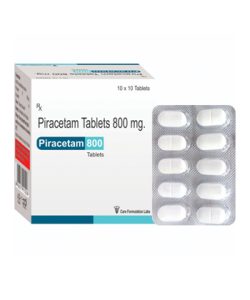
- Forms & Dosages: Film-coated/plain tablets 400 mg, 800 mg, 1200 mg; capsules 400 mg; oral solution typically 1 g/5 ml; injection/IV solutions such as 3 g ampoules.
- Manufacturers In Australia: not specified.
- Registration Status In Australia: not specified.
- OTC / Rx Classification: Prescription-only in most European countries; not approved as a drug in the United States; Australian status not specified.
Availability & Price Landscape (Australia)
National Pharmacy Chains And Access
Can I pick up piracetam at the big Australian pharmacy chains over the counter?
Expect limited mainstream availability from large chains such as Chemist Warehouse, Priceline and TerryWhite Chemmart — if stocked at all.
Stronger access tends to come from specialised compounding pharmacies, hospital formularies or importation routes rather than routine retail shelves.
Pharmacists will commonly ask for prescription verification and a clear therapeutic intent before dispensing piracetam for neurologic uses.
Online Trends, Telehealth & E-Prescriptions
Are online pharmacies and telehealth making piracetam easier to get?
Online pharmacies and telehealth providers may enable e-prescription fulfilment for piracetam where lawful supply routes exist.
Pharmacists typically verify prescriber details and clinical indication before dispensing, and may request follow-up information.
In our online pharmacy, piracetam is available without a prescription, with discreet delivery to Australia in 9-21 days.
Typical Price Bands And PBS Note
How much should patients expect to pay for piracetam in Australia?
Prices vary widely by formulation and pack size, and per-gram costs tend to be higher than common oral generics because therapeutic dosing is at gram-levels.
Tablet packs (400 mg–1200 mg) and bulk oral solutions typically cost more per therapeutic gram than many standard generics.
Piracetam is generally not listed on the PBS, so many patients pay privately or access it via special-authority or importation pathways when available.
Patient Insights & Satisfaction Levels
Forum & Review Aggregation (ProductReview, Aussie Forums)
What do Australian patients actually say about piracetam online?
Anecdotal reports on forums and product-review sites are mixed, with some users describing clear benefit and others noticing minimal change.
Reports tend to cluster around two groups: those using piracetam under clinician guidance for neurologic indications, and self-directed users seeking cognitive support.
Pharmacist involvement and clinician follow-up reported in posts often improve adherence and satisfaction.
Reported Benefits And Common Complaints
Which effects do patients praise, and what problems come up most often?
Common positive themes include perceived improvements in memory recall, mental clarity during high-demand periods, and helpful adjunctive use after stroke or brain injury.
Common complaints are high pill burden because dosing is gram-level, gastrointestinal upset, headaches and a variable onset time that can take weeks.
Satisfaction correlates with realistic expectations: people seeking modest everyday cognitive boost often report disappointment, while those treated for neurological indications under supervision more often report benefit.
Product Overview & Brand Variants
INN, Chemical & Therapeutic Class
What is piracetam, in plain terms and pharmacology labels?
INN: Piracetam (Piracetamum).
Chemical class: 2-oxo-1-pyrrolidine acetamide, the first racetam developed by UCB in the late 1960s.
Therapeutic class: Nootropic / psychoanaleptic used for cognitive and neuromuscular disorders.
ATC classification: N06BX03 (other psychostimulants and nootropics).
Brand Names You Might Encounter In Pharmacies
Which brands and generics are sold worldwide and may appear on imported stock?
Major European brands include Nootropil, Lucetam, Memotal, Memotropil, Oikamid, Geratam and Biotropil.
Other international names seen in product lists are Nootropyl, Breinox, Dinagen, Smart, Neurobasal, Noostan, Stimulan and Nocetan.
Expect imported generics or branded stock to follow international strengths (400 mg, 800 mg, 1200 mg tablets; 1 g/5 ml oral solutions; injectable ampoules).
Indications In Local Medical Practice
Typical Approved Uses Internationally
What are the standard clinical uses for piracetam overseas?
Internationally, piracetam is used mainly for cognitive disorders, cortical myoclonus, dyslexia, vertigo and some haematologic indications such as sickle cell anaemia.
It is prescription-only in many European countries and used under clinician supervision for neurologic conditions.
Off‑Label Patterns Observed In Clinics
How do Australian clinicians actually prescribe piracetam off-label?
In Australian clinical practice, prescriptions typically mirror international use when issued by neurologists: adjunctive therapy for cortical myoclonus, cognitive rehabilitation after stroke or traumatic brain injury, and selective management of vertigo.
Off‑label use for age-related cognitive complaints and as a nootropic adjunct occurs, though clinician comfort and interpretation of evidence vary widely.
Pharmacy practice note: ensure the prescription documents the indication and confirm specialist oversight for neurologic uses.
Quick-Reference Indications With Evidence Confidence:
- Adjunctive Treatment For Cortical Myoclonus — High.
- Post-Stroke Cognitive Rehabilitation — Medium.
- TBI Cognitive Support — Medium.
- Dyslexia / Vertigo — Low To Medium, Indication-Specific.
- Sickle Cell Anaemia (Haematologic Use) — Low To Medium, Jurisdictional.
How It Works In The Body
Layman’s Explanation For Patients
How does piracetam help the brain in words patients understand?
Piracetam is a brain-support molecule that helps nerve cells communicate and coordinate better, and it may improve small-vessel blood flow in the brain.
Patients often notice gradual changes such as clearer thinking or fewer involuntary jerks when used for neurologic conditions.
Brief Clinical Mechanism Summary
What does the pharmacology say, briefly?
Piracetam is a racetam-class compound that influences membrane fluidity and supports neuroplasticity.
It appears to modulate AMPA receptors indirectly and may enhance microcirculatory blood flow and oxygen utilisation in the brain.
The precise mechanism is complex and not fully elucidated; effects are primarily functional rather than classical neurotransmitter replacement.
For pharmacists, note that onset can be gradual and therapeutic dosing commonly reaches gram-levels, with variable response rates.
Key Mechanisms:
- Membrane Modulation.
- Support Of Neuroplasticity / Synaptic Function.
- Improved Microcirculation / Oxygen Utilisation.
Expected Time-To-Effect: Weeks for many indications; acute effects may be seen with IV use in hospital settings.
Dosage & Administration
Standard Regimens (Adults, Common Clinical Doses)
What dose will a prescriber usually write for an adult?
Therapeutic effects are achieved at gram-level doses, so tablets and solutions reflect higher strengths than many common oral medicines.
Typical adult regimens range from 1.2 g to 4.8 g daily in divided doses depending on indication and severity.
Tablet strengths commonly available are 400 mg, 800 mg and 1200 mg; oral solutions such as 1 g/5 ml are useful for dose accuracy.
In acute hospital settings, injections such as 3 g ampoules or 33% solutions may be used.
Adjustments: Elderly, Renal Impairment, Paediatrics
How should doses be altered for vulnerable patients?
Renal excretion is the primary elimination route, so dose reduction is required in renal impairment to prevent accumulation.
Elderly patients may need slower titration and closer monitoring due to altered renal function and sensitivity to side effects.
Paediatric dosing is typically weight-based for cortical myoclonus or dyslexia and often given via oral solution for accuracy.
Always follow the prescriber’s instructions and advise adherence strategies to manage high pill burden, such as dividing doses across the day.
Contraindications & Side Effects
Common Adverse Effects And Management
What side effects do patients commonly report and how should they be handled?
Common adverse events include nausea, gastrointestinal discomfort, headaches, agitation or irritability and occasional sleep disturbance.
These effects are generally dose-related and often improve with dose reduction or by dividing doses throughout the day.
Practical counselling points: take with food to reduce GI upset, and report persistent headaches or mood changes to the prescriber.
Rare But Serious Events And Australian Safety Considerations
Are there any serious risks to watch for in Australia?
Rare but serious events reported internationally include hypersensitivity reactions and, in predisposed patients, severe agitation or psychosis.
Because piracetam is largely renally excreted, accumulation in severe renal impairment can raise toxicity risk, making dose adjustment essential.
Pharmacy screening checklist: document allergies, review anticoagulant/antiplatelet use, confirm renal function and advise immediate medical review for severe neurological changes.
Comparable Medicines
Alternatives On PBS And Non-PBS
What other medicines are considered for similar problems and which are subsidised?
For dementia-related cognitive impairment, cholinesterase inhibitors such as donepezil and rivastigmine are PBS-listed options in appropriate indications.
Memantine is another PBS option for moderate-to-severe dementia where indicated.
For myoclonus, alternatives with stronger evidence in many contexts include sodium valproate, clonazepam and levetiracetam, which are commonly used and may be PBS-subsidised depending on indication.
Pros & Cons Summary Vs Piracetam
How do these alternatives compare to piracetam in practice?
Pros Of Piracetam: Well established internationally for niche indications such as cortical myoclonus and used for decades in some settings; generally well tolerated.
Cons Of Piracetam: Variable evidence for general cognitive enhancement; high dosing burden; limited availability in Australia and likely not PBS-subsidised.
Clinical decision points: match drug choice to primary indication, consider evidence strength, monitor renal function, and factor in availability and subsidy status for patient cost.
Current Research & Trends (2022–2025)
Major International Study Themes
What have recent studies focused on regarding piracetam?
Recent trials and studies explore piracetam’s role in neurorehabilitation after stroke or TBI, management of cortical myoclonus and mechanistic work on neuroplasticity and microcirculation.
Results through 2022–2025 are mixed: some rehabilitation studies show modest functional gains, while evidence for cognitive enhancement in healthy adults is not robust.
Relevance To Australian Prescribers & Pharmacists
How should Australian clinicians and pharmacists interpret these trends?
Prescribers weigh international positive signals in specific neurologic indications against limited local availability and regulatory nuances.
Pharmacists should monitor TGA guidance and supply-chain research, especially around formulation bioequivalence for imported generics.
Key practical takeaway: consider piracetam where international evidence supports benefit for a defined neurologic condition and ensure authorised supply routes and monitoring plans are in place.
Common Patient Questions (Pharmacy FAQs)
Usage, Safety, And Cost Queries
What questions do customers ask most at the counter about piracetam?
Top questions include: “Do I need a prescription?”, “How long until I see benefit?”, “Is it on the PBS?”, and “Can I drive or drink alcohol while taking it?”.
Short factual replies: a prescription is typically required; benefits often take weeks to months; it is usually not PBS-listed and patients commonly pay privately; advise caution with driving or alcohol until individual response is known.
Sample Pharmacist Responses For Consultations
What should pharmacists say during a brief consultation?
Confirm the prescriber and indication, review renal function and current medicines, explain the dosing schedule and pill-burden strategies, and suggest taking doses with food to reduce GI side effects.
Discuss realistic timelines for effect and cost/stock alternatives if supply is limited.
Top Eight FAQs Tailored To Australian Customers:
- Do I Need A Prescription? — Typically yes; verify with the prescriber.
- How Long Until Benefit? — Weeks to months for many indications.
- Is It On The PBS? — Usually not; confirm current PBS listings.
- Can I Drive/Drink Alcohol? — Use caution until response is known.
- What About Side Effects? — Common: GI upset, headaches; dose reduction helps.
- How Is It Supplied? — Tablets, solution, or injection depending on indication.
- Do I Need Blood Tests? — Check renal function for dosing decisions.
- Can I Import It? — Discuss authorised import pathways with the prescriber and pharmacist.
Regulatory Status & Practical Implications
International Statements
What does international regulation say about piracetam?
Piracetam is prescription-only in most European countries and is not approved as a drug in the United States, where it is treated as an unapproved substance.
It remains authorised in many EU states and other jurisdictions under various brand names.
TGA, PBS And Import/Special-Access Considerations
What do Australian pharmacists need to check before dispensing?
Customers should verify current TGA ARTG registration for piracetam; availability may be limited, requiring special-access schemes or authorised importation in some cases.
Pharmacies must confirm a lawful supply route before dispensing and document prescriber authority.
If piracetam is not TGA-registered or PBS-listed, supply may still occur under prescriber responsibility with proper documentation, and hospitals may stock injectable forms for acute use.
Visual Recommendations For Product Page
Key Graphics To Include
Which images and charts help customers make informed choices?
Include a compact product-specification table showing forms, strengths and pack sizes, a dosing table by indication and patient group, a price-comparison chart for store vs online vs imported options, and a patient-sentiment summary with safety checklist.
An infographic for “How To Take” showing divided dosing and storage completes the set for patient clarity.
Accessibility & Mobile Optimisation Tips
How should product pages be built for all customers?
Provide alt text for all images, use a high-contrast palette and collapsible FAQ sections for mobile screens.
Show a clear prescription-required badge and a “Check With Your Pharmacist” call to action on the product page.
Buying & Storage Advice
In-Store Vs Online Purchase Tips For Australians
What should Australians watch for when buying piracetam?
Verify legitimate prescriptions and prescriber identity for e-prescriptions, and prefer established pharmacies or reputable online suppliers when importing generics.
Ask about origin, batch and expiry when accepting imported stock, and arrange pharmacist counselling for dosing and safety.
Storage Guidance In Australian Households
How should piracetam be stored at home in Australian climates?
Most formulations store at room temperature away from moisture and heat; follow manufacturer instructions for oral solutions which may specify refrigeration or expiry-after-opening details.
Advise patients to avoid leaving medicines in cars during hot summers and to choose a cool, dry storage spot at home.
Delivery Across Australia
| City | Region | Delivery Time |
|---|---|---|
| Sydney | New South Wales | 9-14 days |
| Melbourne | Victoria | 9-14 days |
| Brisbane | Queensland | 9-14 days |
| Perth | Western Australia | 9-14 days |
| Adelaide | South Australia | 9-14 days |
| Canberra | Australian Capital Territory | 9-14 days |
| Gold Coast | Queensland | 9-14 days |
| Newcastle | New South Wales | 9-14 days |
| Wollongong | New South Wales | 9-14 days |
| Sunshine Coast | Queensland | 9-14 days |
| Hobart | Tasmania | 9-14 days |
| Geelong | Victoria | 9-14 days |
| Townsville | Queensland | 14-21 days |
| Cairns | Queensland | 14-21 days |
| Darwin | Northern Territory | 14-21 days |
Guidelines For Proper Use & Pharmacy Counselling
Pharmacist-Led Counselling Checklist
What should a pharmacist cover when handing over piracetam?
Verify indication and prescriber details and confirm lawful supply route.
Review renal function and concurrent medicines, especially anticoagulants and CNS-active drugs.
Explain dosing schedule and pill-burden strategies, such as dividing the total daily dose into two or three administrations.
Discuss common side effects and mitigation steps like taking doses with food and spacing doses to reduce headaches or GI upset.
Document counselling and set an agreed trial period with the prescriber for evaluating benefit.
Safety Follow-Up & When To Refer
When should the pharmacist advise urgent review or referral?
Arrange clinician review if there is no benefit after the agreed trial, worsening neurologic signs, new severe psychiatric symptoms, suspected hypersensitivity or evidence of significant renal impairment.
Refer immediately for sudden neurological deterioration, suspected severe allergic reaction or acute behavioural change.
Provide the patient with a written record of counselling points and a clear follow-up plan to take to their clinician.