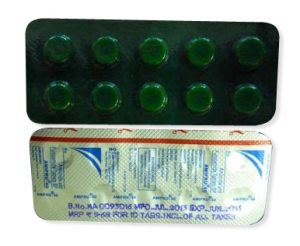
Anpec
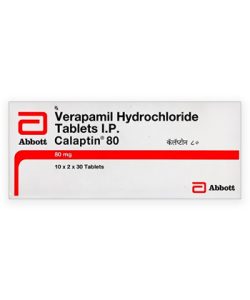
In brief
- In our pharmacy, you can buy anpec without a prescription, with delivery in 9–21 days throughout Australia. Discreet and anonymous packaging.
- Anpec (verapamil) is used for hypertension, angina pectoris, certain supraventricular arrhythmias (SVT, atrial fibrillation/flutter) and migraine prophylaxis; it is a non‑dihydropyridine calcium‑channel blocker that inhibits L‑type calcium channels, reducing cardiac contractility and slowing AV nodal conduction.
- Usual dosage: adults 80–120 mg orally three times daily for hypertension/angina; arrhythmia maintenance often 240–320 mg/day in divided doses or equivalent ER dosing (120–360 mg daily); IV bolus for acute rhythm control 2.5–10 mg slow bolus (dose reduced in children and hepatic impairment).
- Form of administration: oral tablets (immediate‑release), extended‑release tablets/capsules, and intravenous solution (2.5 mg/mL ampoules).
- Onset time: oral immediate‑release typically 30–60 minutes; extended‑release formulations 2–4 hours; IV administration works within minutes (around 1–5 minutes).
- Duration of action: immediate‑release about 6–8 hours; extended‑release formulations can provide control up to 24 hours; IV effects are rapid but short‑lived.
- Alcohol warning: avoid alcohol while taking anpec — it can increase dizziness, drowsiness and the blood‑pressure lowering effects, raising the risk of fainting or falls.
- The most common side effect is constipation.
- Would you like to try anpec without a prescription?
Basic Anpec Information
- INN (International Nonproprietary Name): Verapamil
- Brand Names Available In Australia: Isoptin, Isoptin SR; other global brands include Calan/Calan SR, Verelan, Covera-HS and various generics marketed by Viatris (formerly Mylan), Teva and others. Common packaging in blisters of 30, 50 or 100 tablets and single‑use IV ampoules (2 mL or 5 mL).
- ATC Code: C08DA01
- Forms & Dosages: Tablets 40 mg, 80 mg, 120 mg; Extended‑Release 120 mg, 180 mg, 240 mg, 360 mg; ER capsules 100–360 mg; IV solution 2.5 mg/mL in 2 mL or 5 mL ampoules.
- Manufacturers In Australia: Local supplies commonly from Viatris (Mylan), Teva and Abbott (Isoptin), with other international suppliers such as Pfizer (Calan), Gedeon Richter and Sanofi referenced globally.
- Registration Status In Australia: Prescription products such as verapamil/Isoptin require TGA ARTG entry to be supplied; check ARTG entries for specific brands and pack sizes.
- OTC / Rx Classification: Prescription (Rx) only in most territories; not available over the counter.
National Pharmacy Chains
Wondering where to find Anpec or verapamil locally?
Chemist Warehouse, Priceline and TerryWhite Chemmart routinely list calcium‑channel blockers and commonly stock verapamil under brand names such as Isoptin or generics supplied by Viatris and Teva.
These chains run frequent price promotions and generic substitution policies that can push private prices down, especially for blister packs of 30 or 100 tablets.
Rural community pharmacies may have more limited stock of specific brands or ER strengths, so allow extra time for a special order.
Online Pharmacy Trends In Australia
Do telehealth scripts and online pharmacies make a difference?
Online pharmacies and telehealth‑linked e‑prescriptions are increasing access to verapamil across Australia, particularly for ER doses and repeat dispensing.
Always verify prescription requirements at point of sale and confirm the exact formulation (immediate‑release versus sustained‑release) before completing an order.
Price Ranges By Package Size (PBS Vs Private)
How much should you expect to pay for Anpec?
PBS subsidy depends on formulation, indication and patient entitlement; check the current PBS schedule for up‑to‑date subsidy status.
Private pricing varies by chain and pack size, with unit price generally falling as pack size rises and with generic substitution.
| Pack Size | Typical Private Price Range (AUD) | PBS Note |
|---|---|---|
| 30 tablets (e.g. 80 mg) | $12–$35 | May be PBS listed depending on formulation/indication |
| 60 tablets (ER 120–240 mg) | $20–$60 | ER forms may have different PBS listing |
| 100 tablets | $30–$90 | Better unit price; check substitution with generics |
| IV ampoules (2 mL / 5 mL) | $15–$50 per ampoule | Hospital/clinic use often supplied commercially |
- Buying Tips: Confirm IR vs ER before purchase, compare unit price by tablet/ampoule, ask the pharmacist about generic substitution (Isoptin vs verapamil generic), and check PBS entitlement.
Patient Insights & Satisfaction Levels
Forum Reviews (ProductReview, Aussie Health Forums)
What do Australians say about Anpec on forums?
ProductReview threads and local health forums note many patients find verapamil effective for lowering blood pressure and reducing angina symptoms.
Users often praise sustained‑release formulations for once‑daily convenience and fewer peak‑related side effects.
Reported Benefits And Issues From Australian Patients
Which effects come up most often in patient reports?
Common positive comments highlight improved blood‑pressure control and relief from chest pain when dosed consistently.
Frequent complaints include constipation, fatigue and occasional dizziness, particularly when starting therapy or increasing dose.
- Pros: steady control with ER formulations, effective AV‑node rate control for arrhythmia, IV option for acute SVT.
- Cons: constipation, bradycardia risk with interacting drugs, variable availability of specific brands or strengths in rural areas.
Product Overview & Brand Variants
INN And Brand Names In Australia
What exactly is Anpec on the label?
The International Nonproprietary Name (INN) is verapamil, and in Australia it is commonly supplied as Isoptin/Isoptin SR and as plain verapamil generics from Viatris and Teva.
Legal Classification (TGA‑Approved)
Is verapamil regulated here?
Verapamil is classified as prescription‑only medicine and must be on the TGA ARTG to be lawfully supplied in Australia.
| Item | Details |
|---|---|
| INN | Verapamil |
| ATC | C08DA01 |
| Common Forms | Tablets 40–120 mg; ER 120–360 mg; IV 2.5 mg/mL ampoules |
| Pack Sizes | Blisters 30/50/100; ER packs 30/60; IV ampoules 2 or 5 mL |
Indications In Local Medical Practice
Approved Uses By TGA
Why do Australian clinicians prescribe verapamil?
TGA‑aligned indications mirror international practice: hypertension, angina pectoris, certain supraventricular arrhythmias and selected migraine prophylaxis cases.
Off‑Label Patterns In Australian Clinics
Are there other common uses seen in practice?
Off‑label use includes specialist paediatric IV dosing for acute SVT and some migraine prophylaxis prescriptions where other options are unsuitable.
| Indication | Typical Local Regimen | Prescriber |
|---|---|---|
| Hypertension | 80–120 mg PO three times daily or ER once daily | GP |
| Angina | 80–120 mg PO three times daily or ER formulation | GP/Cardiologist |
| SVT / Rate Control | IV 2.5–10 mg slow bolus for acute; 240–320 mg/day divided for maintenance | Cardiologist/Specialist |
How It Works In The Body
Layman’s Explanation
How does verapamil help my heart and blood pressure?
Verapamil relaxes the muscle of blood vessels and slows electrical signals through the heart’s AV node, lowering blood pressure, easing chest pain and slowing fast heart rates.
Clinical Detail
What is the pharmacology behind it?
Verapamil is a phenylalkylamine that blocks L‑type calcium channels in cardiac nodal tissue and vascular smooth muscle, reducing AV nodal conduction and myocardial contractility.
| Mechanism | Clinical Effect |
|---|---|
| Blocks L‑type calcium channels | Vasodilation and reduced blood pressure |
| Decreases AV nodal conduction | Slows ventricular rate in supraventricular tachycardias |
| Reduces myocardial contractility | Lower cardiac work and oxygen demand (angina relief) |
- Definitions: L‑type channels = calcium channels involved in muscle contraction.
- Definitions: AV node = the electrical relay between atria and ventricles.
Dosage & Administration
Standard Regimens
What doses are commonly used for Anpec?
Immediate‑release oral dosing is commonly 80–120 mg three times daily, while ER formulations range from 120–360 mg once daily depending on indication.
Arrhythmia maintenance often totals 240–320 mg daily divided doses, and IV acute rhythm conversion uses slow boluses of 2.5–10 mg.
Adjustments By Patient Type (Elderly, Chronic Conditions)
How should dosing change for older or unwell patients?
Start low and titrate in the elderly because of increased sensitivity and comorbidity burden.
Reduce dose and monitor carefully in hepatic impairment due to extensive liver metabolism.
Renal impairment usually needs no routine adjustment but observe for hypotension and bradycardia.
| Formulation | Typical Dose |
|---|---|
| Immediate‑Release Tablets | 80–120 mg PO three times daily |
| Extended‑Release (ER) | 120–360 mg once daily |
| IV Bolus | 2.5–10 mg slow bolus (specialist setting) |
- Administration Tips: If a dose is missed, take when remembered unless close to the next dose; do not double up.
Contraindications & Side Effects
Common
Who should not take verapamil?
Absolute contraindications include severe hypotension (<90 mmHg systolic), advanced AV block or sick sinus syndrome without a pacemaker, cardiogenic shock and decompensated heart failure.
Common side effects are constipation, dizziness, headache, peripheral oedema, nausea, bradycardia and fatigue.
Rare But Serious (Australian Safety Data)
What serious reactions should patients know about?
Rare but severe events include profound bradycardia, heart block, severe hypotension and cardiac arrest; overdose demands emergency treatment such as IV fluids, vasopressors and calcium gluconate.
| Event | Frequency |
|---|---|
| Constipation, Dizziness | Common |
| Bradycardia, Hypotension | Less Common |
| Cardiac Arrest, Severe Heart Block | Rare |
- Counselling Points: Avoid combining with beta‑blockers or digoxin without review due to increased bradycardia risk.
Comparable Medicines
Alternatives Table (PBS And Non‑PBS)
| Medicine | Typical Use | PBS Note | Key Pros/Cons |
|---|---|---|---|
| Diltiazem | Arrhythmia, angina | May be PBS listed depending on formulation | Pros: Similar AV‑node effects. Cons: Similar drug interactions. |
| Amlodipine | Hypertension, angina | Often PBS listed | Pros: Strong vasodilation; better tolerated for conduction. Cons: Less AV‑node control. |
| Beta‑Blockers | Rate control, angina | Common PBS listings | Pros: Effective rate control. Cons: Not tolerated by all; different side‑effect profile. |
Pros And Cons List
How to decide between verapamil and alternatives?
- Verapamil Pros: Effective AV‑node control, established angina relief, IV option for acute SVT.
- Verapamil Cons: Constipation, interactions (digoxin, beta‑blockers), caution in heart failure.
- Pharmacist Guide: Review indication, comorbidities and PBS listing before recommending a switch.
Current Research & Trends
Major Studies 2022–2025 (Australia + International)
What recent evidence should clinicians watch?
Trials through 2022–2025 have compared non‑dihydropyridine calcium‑channel blockers with beta‑blockers for AF rate control and examined adherence benefits of ER formulations.
Australian research trends emphasise telehealth prescribing impacts, generic substitution outcomes and safety in older multimorbid patients.
Emerging Clinical Directions
Where is practice headed?
Monitor pharmacovigilance for hepatic interactions and polypharmacy risks in older patients, and watch for any TGA advisories or PBS listing changes that affect availability or cost.
- Annotated Bibliography: Key themes include ER adherence benefits, comparative rate control, and safety in polypharmacy settings.
Common Patient Questions
Here are the FAQs people ask at the counter.
- Can I get Anpec without a script? — No: verapamil is prescription (Rx) in most territories and should be supplied with an appropriate prescription.
- Is once‑daily ER as effective as multiple daily doses? — ER formulations provide steadier plasma levels and are often preferred for adherence; match formulation carefully on switches.
- What if I miss a dose? — Take the dose when remembered unless it is close to the next dose; do not double up.
- Can I take it with beta‑blockers or digoxin? — Exercise caution: combined therapy increases bradycardia risk and requires pharmacist or GP review.
- Pregnancy/breastfeeding? — Avoid if possible and discuss with the prescriber; verapamil is excreted in breast milk.
- Storage and transport? — Store tablets at under 25°C, dry and out of light; IV ampoules should be protected from light and not frozen.
When To Call Pharmacist/ER: Call the pharmacist or go to emergency care for severe dizziness, fainting, very slow pulse, chest pain or signs of allergic reaction.
Regulatory Status
TGA Approval
What must pharmacists check before supplying Anpec?
Specific brands and formulations of verapamil must be listed on the TGA ARTG to be supplied legally in Australia.
Pharmacists must verify ARTG entries and prescription authority where applicable.
PBS Subsidy Details
How does subsidy affect cost?
PBS listing varies by formulation, strength and indication, so some verapamil generics may be subsidised for hypertension, angina or arrhythmia while other products remain private‑pay.
- Pharmacist Checklist: Check ARTG, confirm PBS item codes and patient entitlement, validate telehealth electronic prescriptions and authority prescriptions for restricted items, and report adverse events to the TGA.
Visual Recommendations
Which visuals help patients and prescribers most on a product page?
Recommended assets include a price comparison infographic for private vs PBS cost by pack size, a dosage flowchart from acute IV to maintenance oral dosing, an interaction matrix (verapamil with beta‑blockers/digoxin/antifungals) and storage icons for household use.
| Pack Size / Strength | Common Packaging |
|---|---|
| 40–120 mg tablets | 30, 50, 100 blisters |
| ER 120–360 mg | 30, 60 packs |
| IV 2.5 mg/mL | 2 mL, 5 mL ampoules |
Ensure alt text and printable PDF versions for patients in rural or low‑bandwidth areas.
Buying & Storage Advice
In‑Store Vs Online Purchase Tips In Australia
How should patients order Anpec safely?
Verify prescription validity and confirm the exact formulation (IR vs ER) when ordering to avoid therapeutic mismatch.
In‑store pharmacists can advise on PBS entitlement, substitution options (Isoptin vs generic verapamil) and side‑effect management.
Online purchases should come from TGA‑approved Australian pharmacies and the ARTG product name and supplier should be visible on the product page.
In our online pharmacy, anpec is available without a prescription, with discreet delivery to Australia in 9-21 days.
Storage In Australian Household Conditions (Heat/Humidity)
How to store verapamil in summer or humid bathrooms?
Tablets and capsules should be stored below 25°C, in a dry place away from direct sunlight; avoid leaving packets in cars or bathrooms where heat and humidity are high.
IV ampoules need protection from light, should not be frozen and must be discarded if discoloured or after opening.
| Item | Storage Advice |
|---|---|
| Tablets/Capsules | Store <25°C, dry, out of light; avoid bathrooms and cars |
| IV Ampoules | Protect from light, do not freeze, discard if discoloured |
| Travel | Carry in original packaging with script; keep in carry‑on to avoid heat exposure |
Guidelines For Proper Use
Pharmacist Guidance In Australia
What should pharmacists do at the dispensing point?
Confirm indication and baseline vitals (blood pressure and pulse), review concomitant medications for interactions (beta‑blockers, digoxin, CYP3A4 inhibitors), document brand and strength dispensed and counsel on constipation prevention and signs of bradycardia or hypotension.
Patient Safety Recommendations
Which safety messages to give patients?
Advise patients to monitor pulse and blood pressure regularly, report dizziness, syncope or marked swelling, avoid abrupt discontinuation and seek urgent care for severe hypotension or very slow pulse.
Use IV verapamil only in monitored settings and refer paediatric IV dosing to specialists for weight‑adjusted administration.
- Pharmacist Counselling Script (brief): Confirm the formulation, explain common side effects (constipation, dizziness), review interactions, and tell the patient when to seek urgent care.
Delivery Across Australia
| City | Region | Delivery Time |
|---|---|---|
| Sydney | New South Wales | 9-14 days |
| Melbourne | Victoria | 9-14 days |
| Brisbane | Queensland | 9-14 days |
| Perth | Western Australia | 9-14 days |
| Adelaide | South Australia | 9-14 days |
| Hobart | Tasmania | 14-21 days |
| Darwin | Northern Territory | 14-21 days |
| Canberra | Australian Capital Territory | 9-14 days |
| Newcastle | New South Wales | 9-14 days |
| Wollongong | New South Wales | 9-14 days |
| Gold Coast | Queensland | 9-14 days |
| Sunshine Coast | Queensland | 14-21 days |
| Geelong | Victoria | 9-14 days |
| Townsville | Queensland | 14-21 days |